Compliance Challenges in DeFi: What You Need to Know in 2026
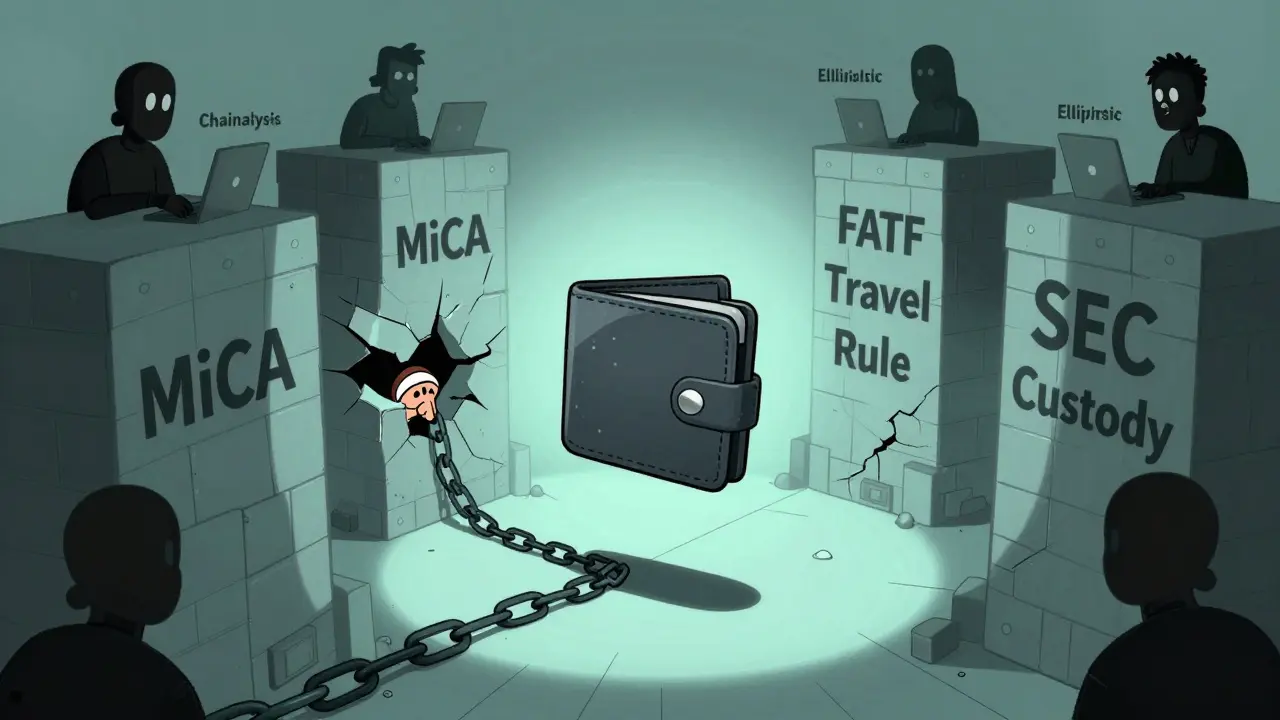
DeFi compliance in 2026 is no longer optional. With MiCA, FATF rules, and SEC custody laws in force, protocols must balance decentralization with regulation - or risk being shut down.
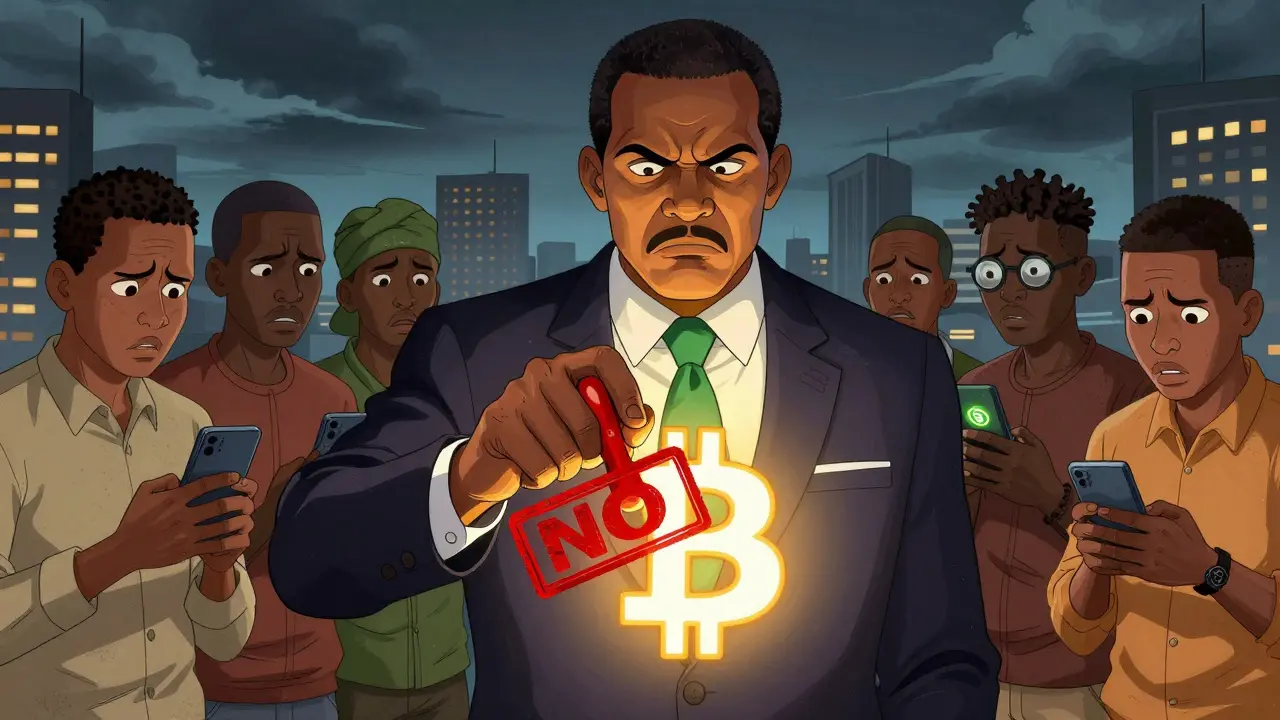
Namibia's Bank of Namibia has created a strict but practical crypto policy. Virtual assets aren't legal tender, but licensed exchanges can operate under a six-month sandbox. Here's what you need to know in 2026.
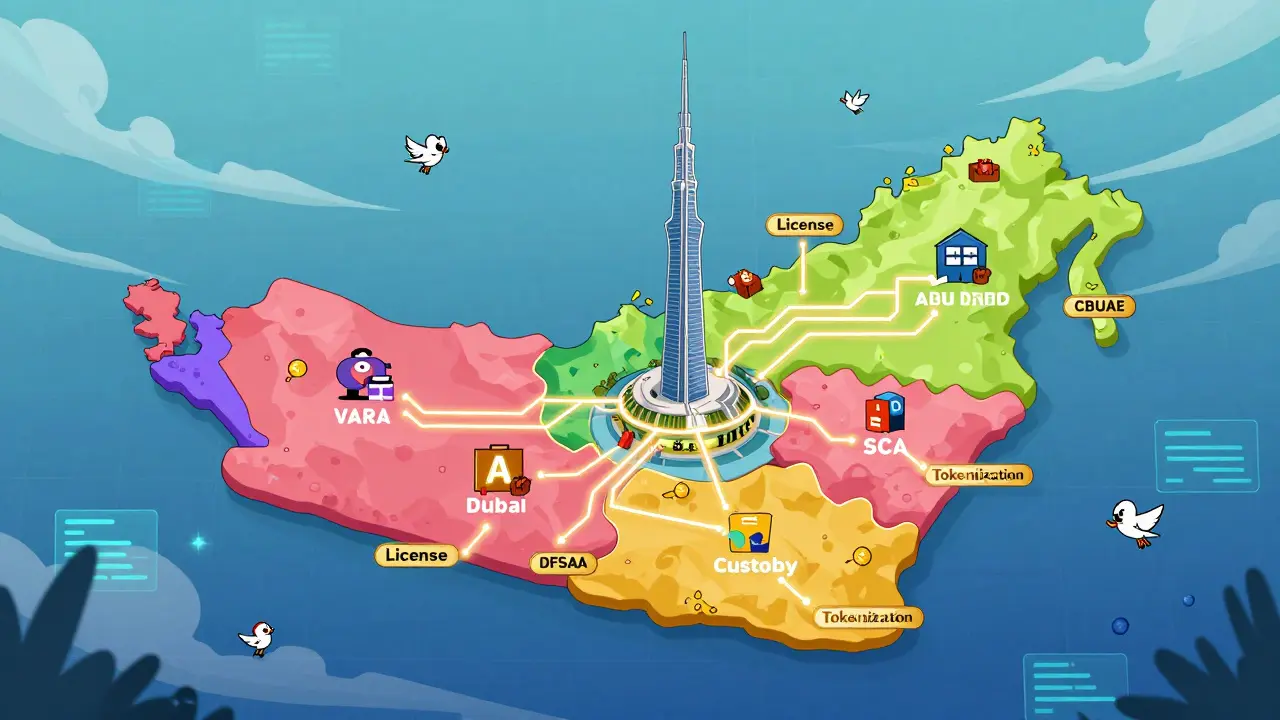
The UAE has built the world's most structured crypto regulatory system, attracting top exchanges like Binance and Crypto.com. With clear licensing, tax exemptions, and real-world asset tokenization, it's now the safest global hub for crypto businesses.
Kraken blocks crypto trading in 14 countries and imposes strict regional limits on tokens, margin trading, and stablecoins. Learn exactly what’s restricted in the U.S., Europe, Australia, and beyond - and why compliance matters more than convenience.
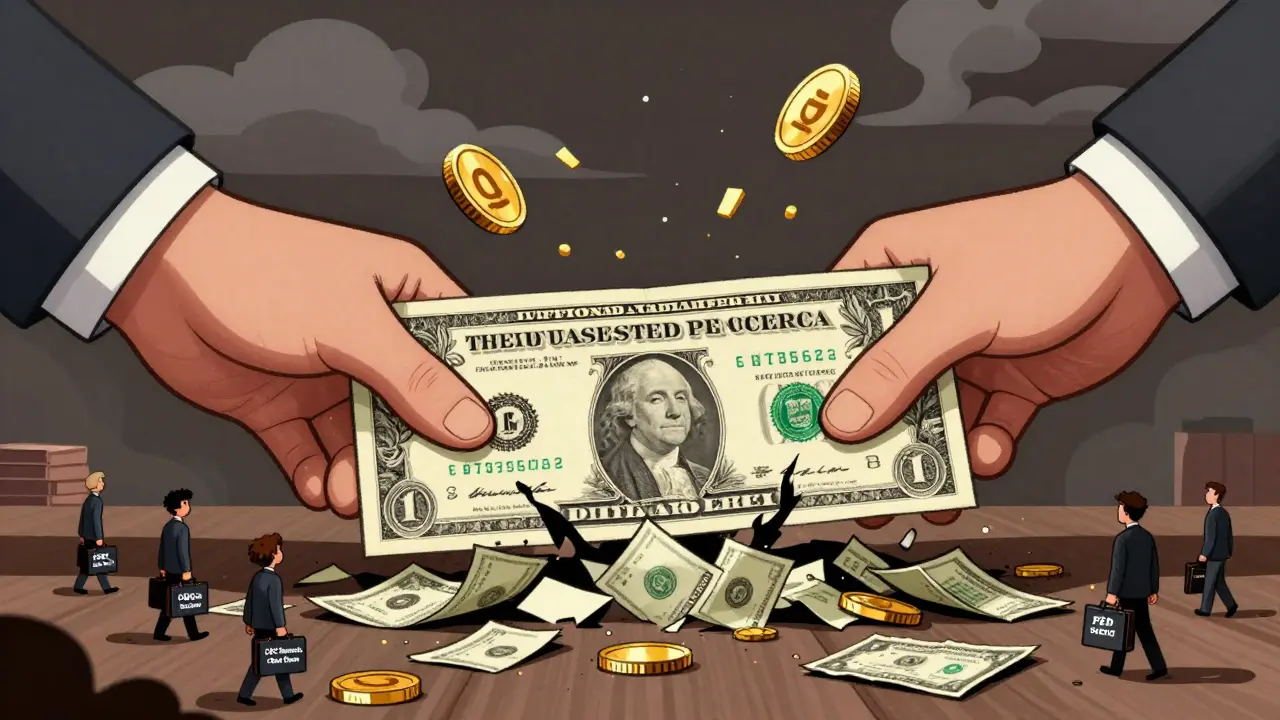
The U.S. has officially halted all efforts to create a digital dollar after President Trump signed Executive Order 14178 in 2025. With the Federal Reserve standing down, the U.S. is now the only G-20 nation not pursuing a central bank digital currency.
In 2024, the SEC hit crypto companies with record fines - a 3,018% jump driven by one $4.5 billion case. Here’s what really happened, who paid, and what it means for the future of crypto in the U.S.
As of 2025, crypto trading rules differ drastically between the U.S. and EU. The U.S. relies on conflicting agencies with no unified law, while the EU enforces MiCA-a single, comprehensive framework. Know what you're up against before you trade.
Russia legalized crypto mining to bypass Western sanctions, using stablecoins like A7A5 to move billions in trade. But blockchain transparency and global sanctions are making it harder to hide.
Russia doesn't outright ban crypto exchanges - it picks which ones can operate based on compliance, ownership, and sanctions. Garantex is gone, but its ghost lives on. Binance can't work here. Here's what's really allowed.
In 2025, DAOs are gaining legal recognition in U.S. states like Wyoming, New Hampshire, and Vermont - but rules vary widely. Learn where DAOs can operate legally, who’s liable, and how to protect yourself.
Kosovo banned crypto mining in 2022 to stop electricity blackouts. By 2025, it replaced the ban with strict rules: only private energy sources allowed. Here's how the country balanced energy survival with digital innovation.
El Salvador made Bitcoin legal tender in 2021 but reversed the policy in 2025 after public resistance and IMF pressure. Learn what worked, what failed, and why Bitcoin is no longer used for daily transactions.