
The Bank of Namibia doesn’t recognize Bitcoin as money. But you can still use it to buy coffee in Windhoek-if the shop owner agrees. That’s the strange, messy reality of crypto in Namibia in 2026. It’s not legal tender. It’s not banned. And it’s not unregulated anymore. The country walked a tightrope between fear and pragmatism, and now the rules are finally in place-though they’re far from simple.
How Did We Get Here?
In 2018, the Bank of Namibia was clear: cryptocurrencies weren’t commodities, and they wouldn’t be traded on any financial market in the country. That stance didn’t last. By 2022, they quietly shifted. Bitcoin could be used as payment, they said, as long as both buyer and seller were okay with it. No official backing. No protection. Just permission. The real change came in June 2023, when Namibia’s National Assembly passed the Virtual Assets Act. It wasn’t just a guideline. It was law. Alongside it, the Payment System Management Act gave the Bank control over who could process digital payments. Together, they created a legal framework where crypto isn’t money-but businesses can operate under strict rules.What’s Allowed and What’s Not?
Here’s the split:- You can pay for goods or services with Bitcoin, Ethereum, or any other crypto-if the merchant accepts it.
- There’s no legal protection if a transaction goes wrong. No chargebacks. No recourse.
- Virtual Asset Service Providers (VASPs)-like exchanges, wallets, or crypto ATMs-must be licensed by NAMFISA, not the Bank of Namibia directly.
- ICOs? Still banned. The Bank says they’re a recipe for fraud.
- Foreign crypto exchanges? Not allowed to serve Namibians. Only local, licensed companies can operate.
The Six-Month Sandbox
This is where Namibia’s approach gets unique. When a company applies for a VASP license, they don’t get to start trading right away. They get provisional authorization-and then they have to wait six months. During that time, they can’t interact with any customers in Namibia. They can’t even advertise. They’re locked in a regulatory sandbox. Their job? Hire staff, buy software, set up servers, install AML tools, and prove they can track every transaction. Only after the Bank inspects everything do they get full approval. It’s not just bureaucracy. It’s a filter. Companies that can’t build the infrastructure in six months? They don’t belong in the market. And if they try to sneak in early? They get shut down.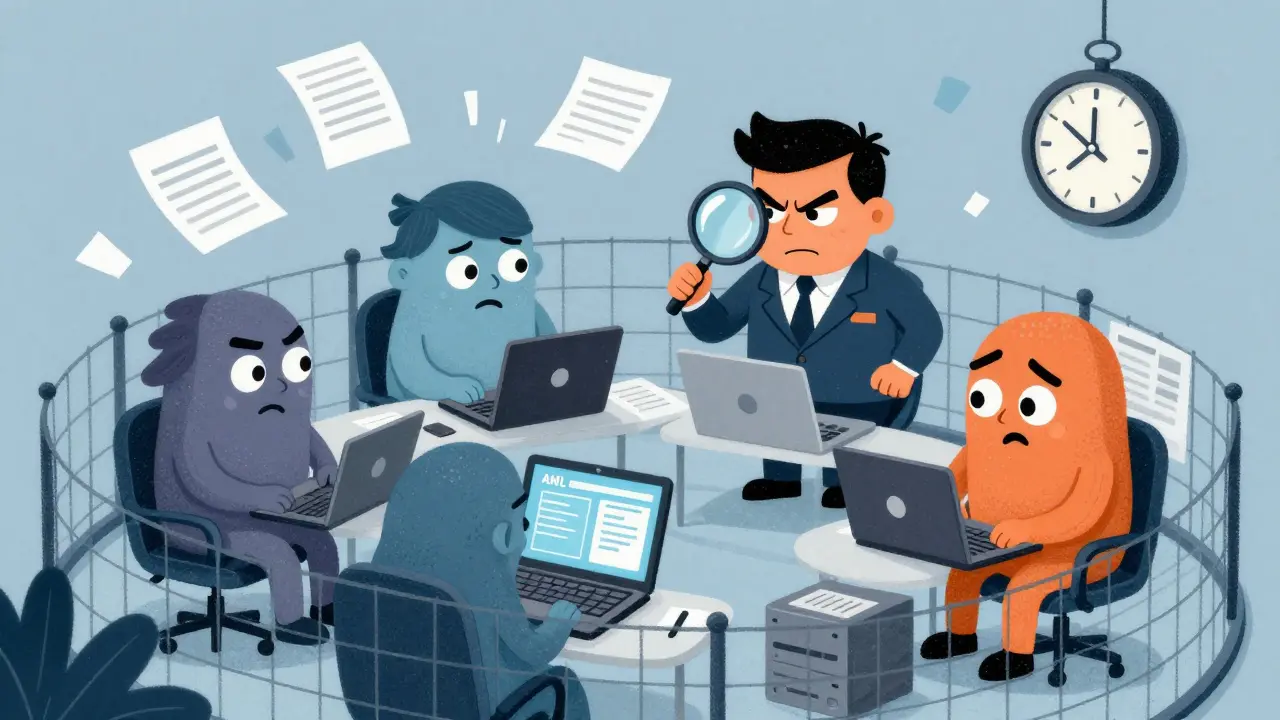
Travel Rule and Compliance
If you send more than NAD 20,000 (about $1,000 USD) in crypto through a licensed exchange, the rules kick in hard. The Travel Rule applies. That means the exchange must collect and share:- Your full name
- Your ID number
- Your wallet address
- The recipient’s full name and wallet address
Who’s Licensed? And What’s Going Wrong?
On January 13, 2025, the Bank granted provisional licenses to four companies:- Finatic Technologies (Pty) Ltd. - payment services
- United PayPoint (Pty) Ltd. - payment services
- Mindex Virtual Asset Exchange (Pty) Ltd. - crypto exchange
- Landifa Bitcoin Trade CC - crypto exchange
How Does Namibia Compare to Other African Countries?
Namibia isn’t the most open. It’s not the most restrictive. It’s somewhere in the middle.- Nigeria banned banks from handling crypto in 2021. The ban is still technically in place, even though people trade anyway.
- South Africa has had VASP registration since 2022. Companies can start operating immediately under supervision.
- Ghana is still drafting its rules, aiming for full regulation by late 2025.
- Botswana outright bans crypto trading.
- Kenya has no formal rules-crypto thrives in the gray zone.

What About Blockchain?
Here’s the tension: Namibia lets crypto exchanges operate-but it’s hesitant about blockchain technology itself. The U.S. Department of State’s 2025 Investment Climate Report pointed out that the Bank of Namibia shows “reluctance to allow the implementation of blockchain technologies.” That’s confusing. If you’re licensing crypto exchanges, you’re already using blockchain. So why the hesitation? Experts believe it’s about control. The Bank fears decentralized systems that can’t be monitored. They want to regulate the endpoints-exchanges, wallets, payments-but not the underlying tech that makes crypto work.What’s Next? CBDC and the Future
While the Bank is managing private crypto, it’s also quietly working on its own digital currency: a Retail Central Bank Digital Currency (rCBDC). The IMF says Namibia is exploring it for three reasons:- Financial inclusion-getting unbanked people into the system
- Modernizing payments
- Faster cross-border transfers
Bottom Line: Is It Safe to Use Crypto in Namibia?
Yes-if you’re careful. You can pay with Bitcoin. You can trade on licensed exchanges. But you’re on your own. No consumer protection. No government backing. If a company goes under, or your funds get stolen, you have no legal recourse. The Bank of Namibia isn’t trying to make crypto easy. It’s trying to make it safe. For now, that means slow, strict, and heavily monitored. If you’re a business, the path is clear-but long. If you’re a user, tread lightly. The rules are written, but the system is still being tested.One thing’s certain: Namibia won’t ignore crypto anymore. It’s already here. And the Bank is making sure it doesn’t get out of control.