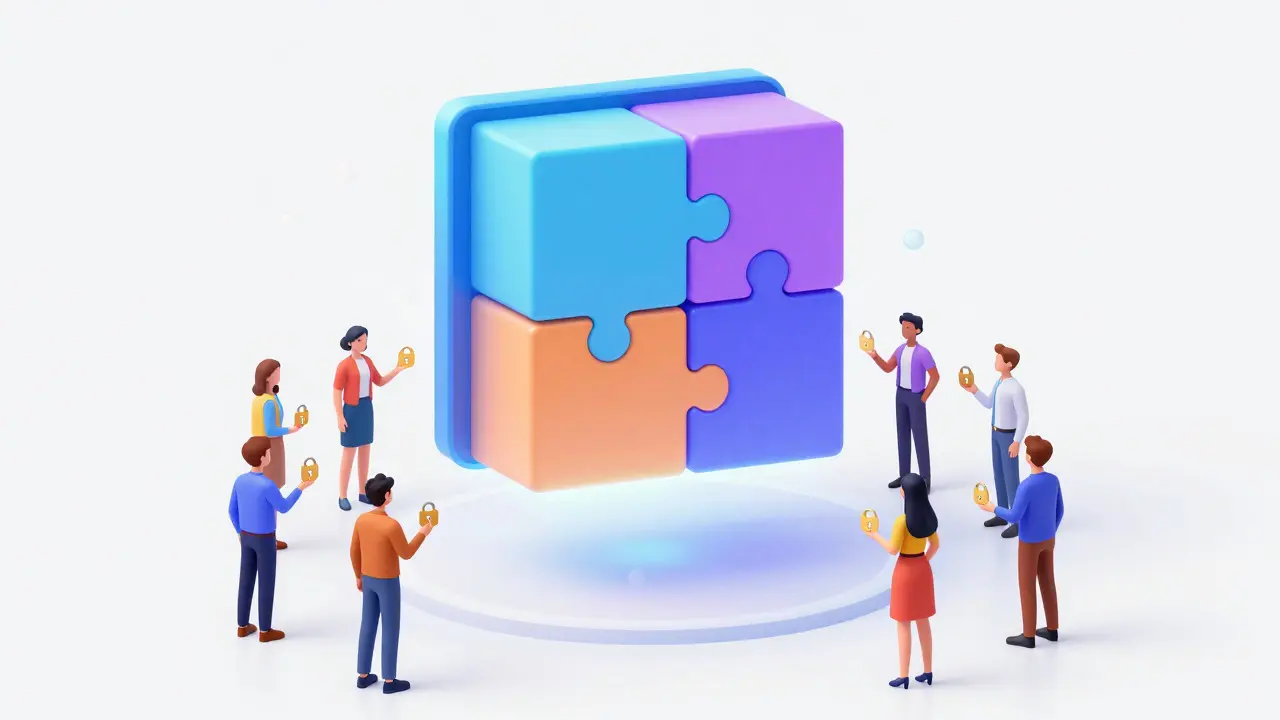
Composability vs Security: The Blockchain Trade-off Explained
Explore the critical trade-off between composability and security in blockchain. Learn why 'money legos' create both opportunities and vulnerabilities, and how to manage the risks.
When working with Blockchain & Cryptocurrency, a digital ledger system that records transactions in a secure, immutable way and the digital assets that run on it. Also known as blockchain and crypto, it powers everything from simple token transfers to complex smart contracts and is reshaping finance, gaming, and data verification.
One pillar that still drives the network security debate is Proof of Work, the consensus algorithm where miners solve cryptographic puzzles to add blocks. It directly influences mining difficulty and hash rate, which in turn affect profitability for ASIC and GPU operators. Meanwhile, Ethereum, a programmable blockchain known for its smart‑contract capabilities has seen its gas fees tumble in 2025 thanks to Layer‑2 solutions and competition from low‑cost platforms like Solana and Polygon. Those fee dynamics matter for anyone moving assets, deploying dApps, or simply trying to keep transaction costs down. Security remains a top concern, especially as wallets store ever‑larger sums. Two‑Factor Authentication, an extra layer that requires a second verification step beyond a password is the frontline defense. Knowing the most reliable 2FA recovery methods can mean the difference between a quick fix and a permanent loss. On the user‑experience side, the rise of Play‑to‑Earn NFT Games, games that reward players with blockchain‑based tokens or NFTs for in‑game actions is driving new adoption patterns. These titles blend entertainment with real‑world value, pushing more people to set up wallets, understand gas fees, and adopt secure authentication. All these threads intersect in the articles below. You'll find a step‑by‑step checklist for 2FA recovery, a deep dive into why Proof of Work still matters, a cost comparison of Ethereum gas versus other platforms, and a ranked list of the best play‑to‑earn NFT games for 2025. Whether you’re a miner tracking hash‑rate trends, a gamer chasing earnings, or a casual investor looking to protect assets, the collection equips you with the facts and tools you need to act confidently. Ready to explore? Scroll down to dive into each guide and stay ahead of the curve in the fast‑moving blockchain and cryptocurrency world.
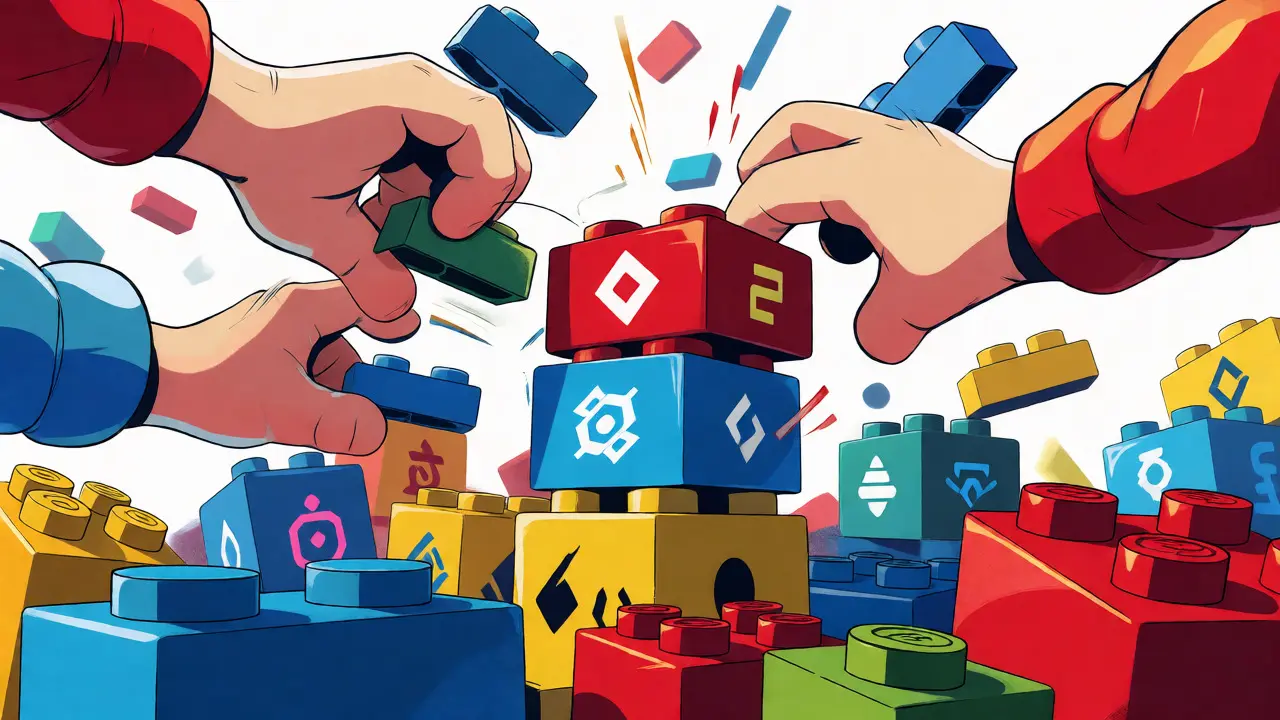
Explore the critical trade-off between composability and security in blockchain. Learn why 'money legos' create both opportunities and vulnerabilities, and how to manage the risks.
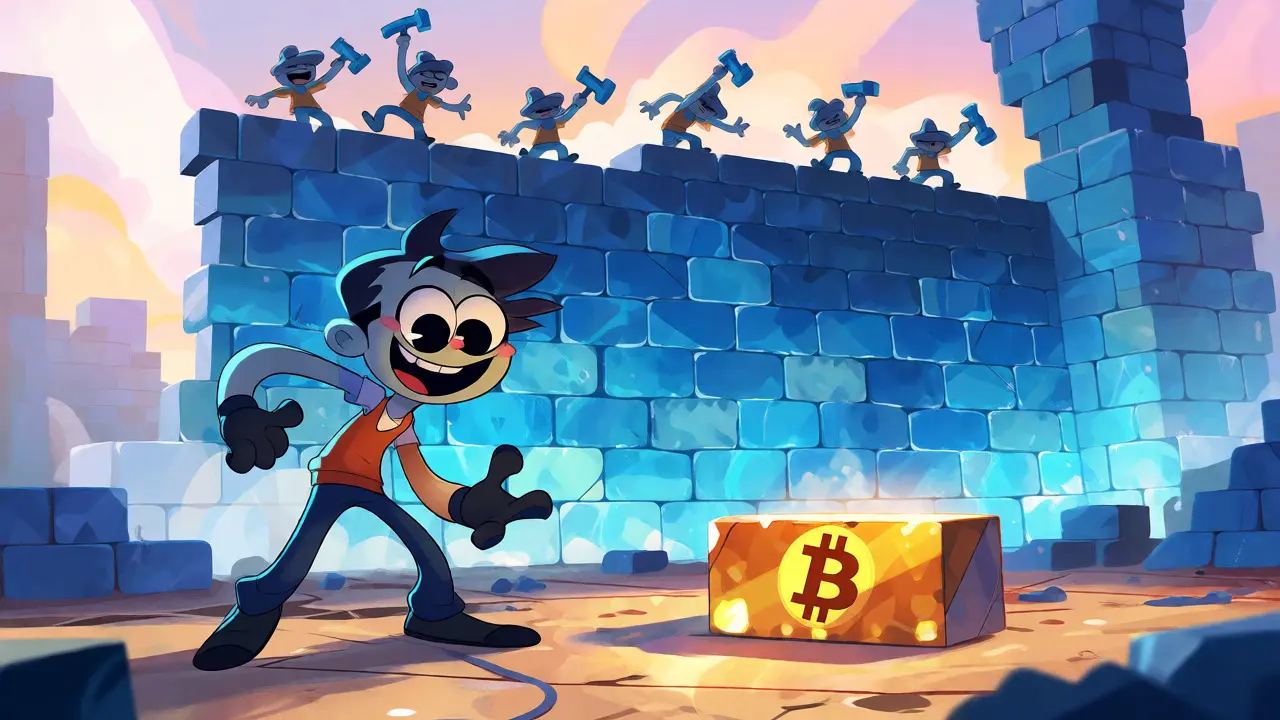
Learn how long Bitcoin transaction finality takes and why 6 confirmations are the industry standard. Discover the difference between pending and settled transactions.
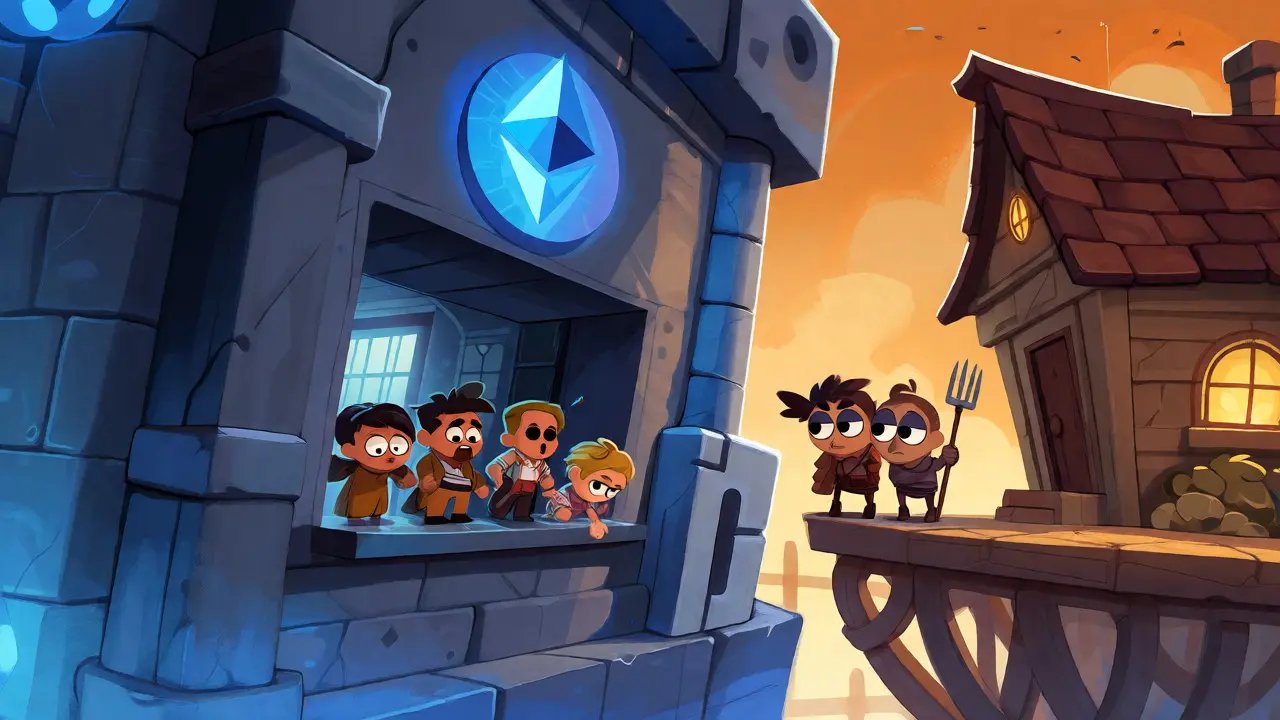
Discover the key differences between sidechains and Layer 2 solutions. Learn how they handle security, speed, and costs to decide which scaling tech fits your crypto needs.
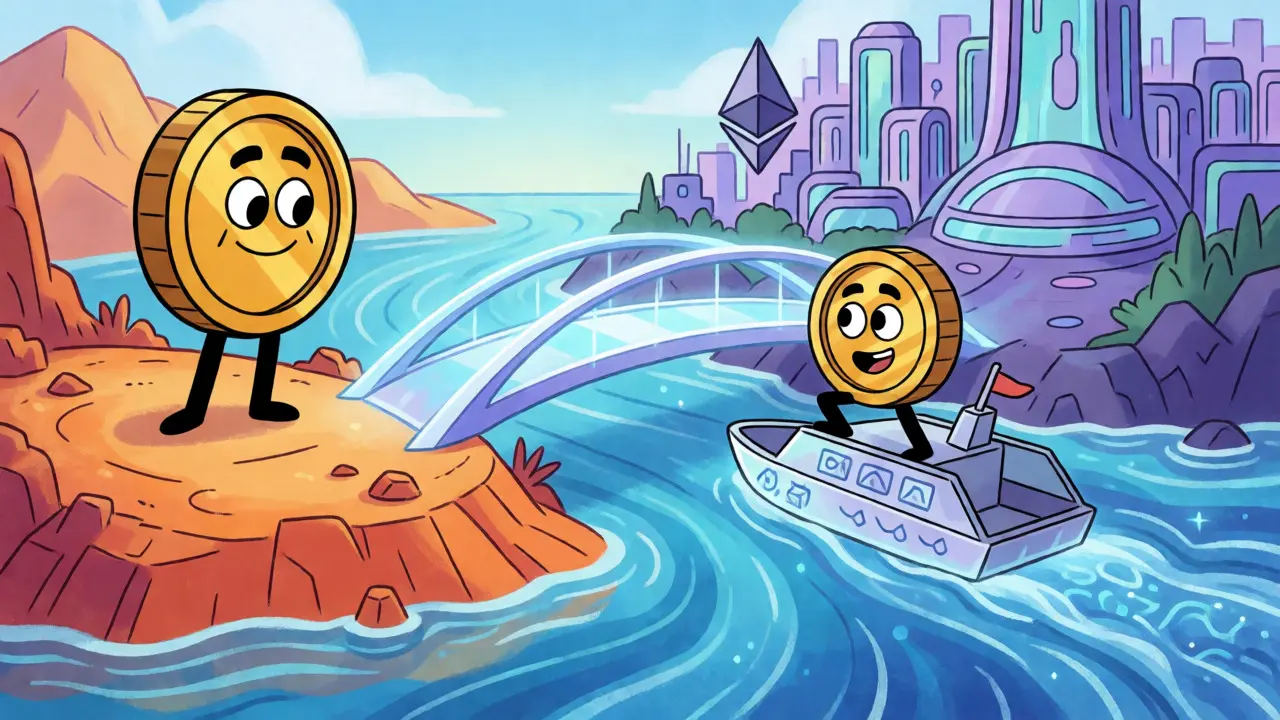
Discover how wrapped tokens enable cross-chain crypto use. Learn the mechanics of wrapping/unwrapping, compare WBTC vs wETH, and understand the risks.

Explore the future of blockchain social media. Discover how SocialFi platforms like Lens and Farcaster offer creator ownership, direct monetization, and data portability compared to Web2 giants.

Explore how blockchain transforms property markets through tokenization, smart contracts, and DeFi. Discover cost savings, faster settlements, and future trends.
Learn how Proof of Stake works, why it replaced mining, and how to participate safely. A clear guide to validators, staking pools, and the risks involved.

Learn how identity verification stops Sybil attacks in blockchain. Explore ZKPs, DID, and real-world solutions for securing DAOs and DeFi.

Learn how to manage leverage effectively in blockchain and business. Discover strategies for financial and operational leverage, risk mitigation, and sustainable growth.
Learn what hash rate is in cryptocurrency, how it secures networks like Bitcoin, and why it matters for preventing attacks. Includes comparisons, difficulty adjustments, and real-world data.

Explore key public blockchain examples like Bitcoin and Ethereum. Learn how these decentralized networks differ in technology, use cases, and security models.

Discover how blockchain accelerates insurance claims from weeks to minutes using smart contracts and oracles. Learn about speed benefits, fraud reduction, and real-world adoption trends.