You’ve probably felt the pain. You’re trying to swap tokens on a decentralized exchange, and the gas fee is higher than your lunch budget. Or maybe you’re waiting five minutes for a transaction to confirm while the market moves without you. This is the classic blockchain congestion problem. To fix it, developers built two main types of scaling solutions: Layer 2 solutions and Sidechains. They both promise faster transactions and lower costs, but they work in fundamentally different ways. Choosing between them isn’t just about picking the cheapest option; it’s about understanding where your assets are actually safe.
The Core Difference: Security vs. Independence
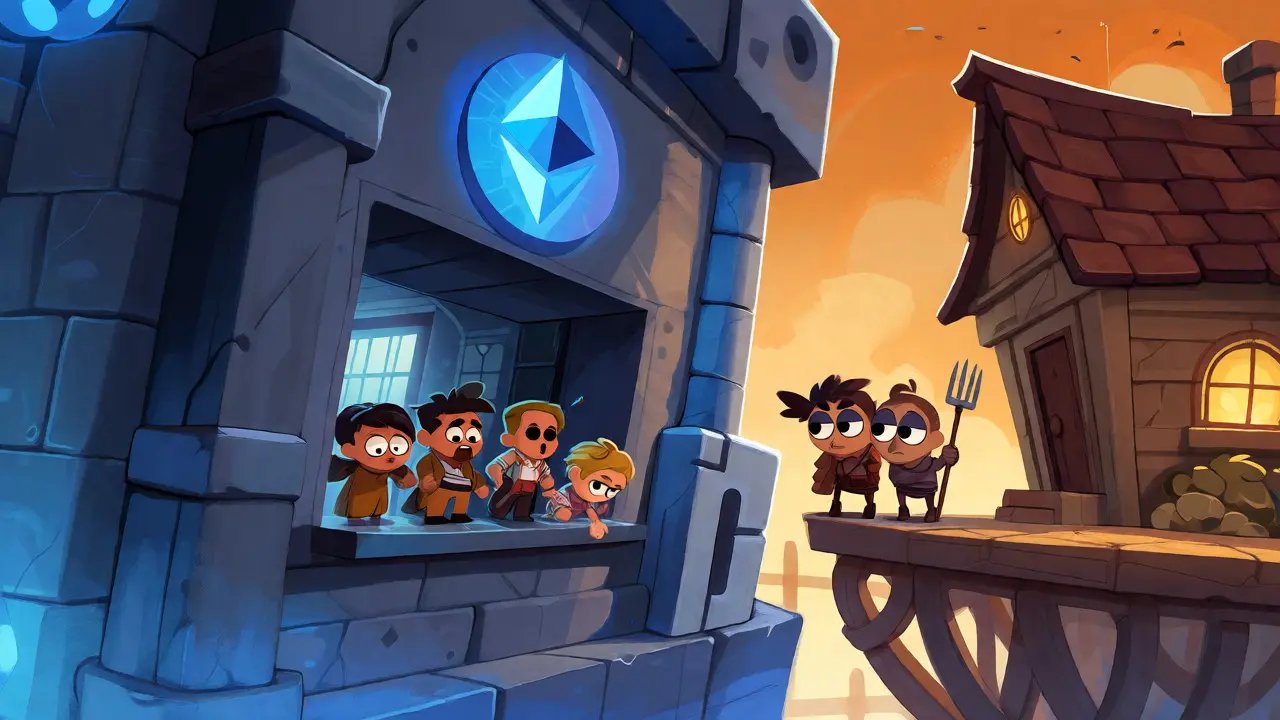
Think of Ethereum as a heavily guarded bank vault. A Layer 2 solution is like a private teller line inside that same bank building. It processes your transactions quickly, but every single receipt is eventually mailed back to the main vault for verification. If someone tries to cheat at the teller window, the main vault catches them because it has the final say. This means Layer 2s inherit Ethereum’s massive security network, which currently secures over $40 billion in value.
A Sidechain, on the other hand, is like a separate branch office across town. It has its own guards (validators) and its own rules. It connects to the main bank via a bridge, allowing you to move money back and forth. But here’s the catch: if those local guards fall asleep or get bribed, the main bank doesn’t know until it’s too late. Sidechains don’t automatically inherit Ethereum’s security; they rely on their own consensus mechanisms. This distinction is critical when you’re moving large amounts of capital.
How They Work Under the Hood
Let’s break down the mechanics without getting lost in jargon. Optimistic Rollups (like Arbitrum and Optimism) assume transactions are valid by default. They bundle hundreds of transactions into one batch and send it to Ethereum. If no one complains within seven days, the batch is finalized. It’s fast, but withdrawing funds can take a week because of this "challenge period."
ZK-Rollups (like zkSync and StarkNet) use complex math called zero-knowledge proofs. They prove to Ethereum that all transactions in a batch are valid instantly. No waiting period, but the technology is newer and harder to build on.
Sidechains like Polygon PoS run their own Proof-of-Stake networks. They have their own validators-Polygon uses around 100 nodes compared to Ethereum’s 800,000+. Because they control their own consensus, they can tweak parameters for speed. Polygon achieves finality in seconds, whereas some Layer 2s take longer due to data posting requirements.
| Feature | Layer 2 Solutions | Sidechains |
|---|---|---|
| Security Model | Inherits Ethereum's security | Independent validator set |
| Transaction Cost | $0.05 - $0.50 | $0.005 - $0.02 |
| Throughput (TPS) | 2,000 - 4,000 | 5,000 - 10,000+ |
| Finality Time | Minutes to Days (withdrawals) | Seconds |
| Decentralization | High (backed by Ethereum) | Variable (often centralized) |
| Examples | Arbitrum, Optimism, Base | Polygon PoS, Gnosis Chain |

Real-World Performance and Costs
If you look at raw numbers, sidechains often win on speed and price. During peak congestion in 2021, Ethereum gas fees hit $70 per transaction. Moving to a sidechain like Polygon dropped that cost to pennies. Today, a typical transaction on Polygon costs less than two cents. On a Layer 2 like Arbitrum, it might cost fifteen cents. For small daily trades, that difference matters. But for institutional investors moving millions, the extra fifteen cents is negligible compared to the risk of a sidechain hack.
Consider the Harmony Bridge Hack in June 2022. Attackers stole $600 million from a sidechain bridge. The main Ethereum chain was fine, but users on that specific sidechain lost funds because the bridge’s security failed. In contrast, major Layer 2 bridges haven’t suffered losses of that magnitude, largely because their security is tied directly to Ethereum’s robust infrastructure.
Developer Experience and Ecosystem Maturity
For developers, Layer 2s offer a smoother transition. Most Ethereum smart contracts deploy to Arbitrum or Optimism with minimal changes-often less than 5% code modification. The tools feel familiar because they mimic the Ethereum Virtual Machine (EVM). Documentation is also superior; projects like Arbitrum maintain near-perfect documentation scores, helping devs onboard quickly.
Sidechains require more adaptation. While Polygon is EVM-compatible, its unique validator structure and bridging mechanisms add complexity. Developers report spending 4-6 weeks adjusting to sidechain environments versus 2-3 weeks for Layer 2s. However, sidechains offer greater flexibility for custom logic. If you’re building a game that needs high throughput and low latency, a sidechain lets you optimize the consensus mechanism in ways a Layer 2 cannot.
Which One Should You Choose?
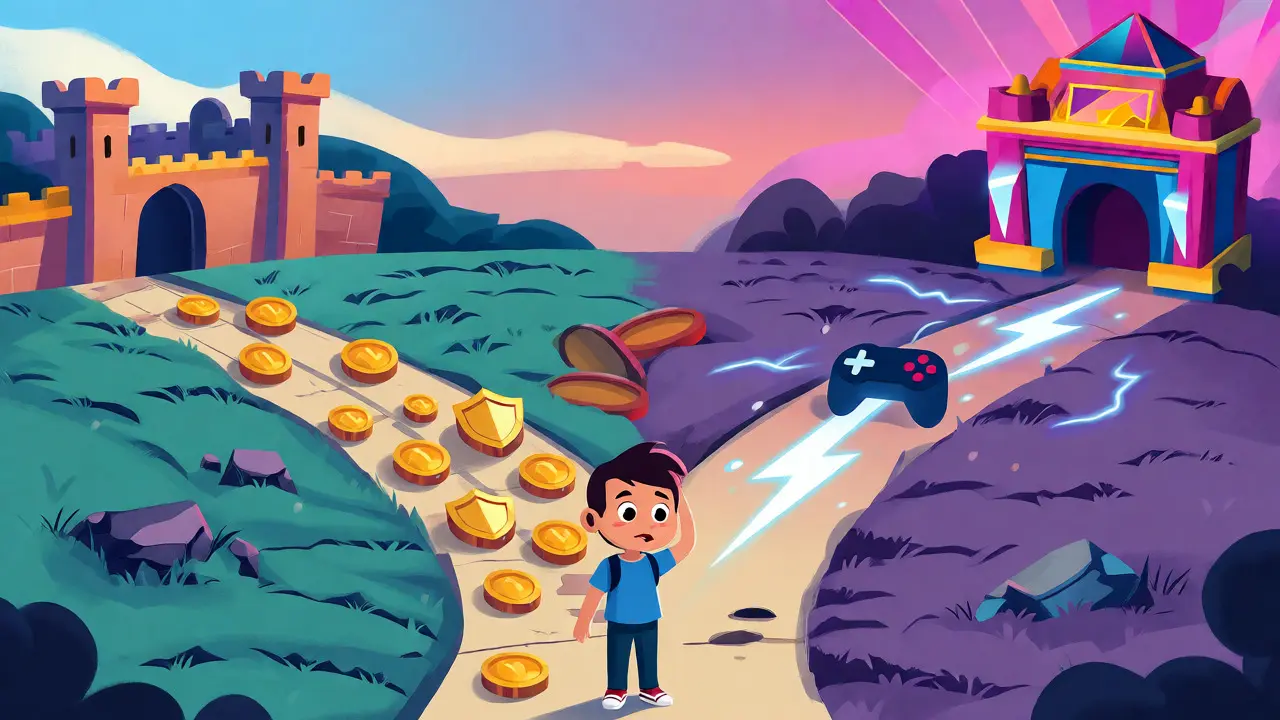
There is no universal winner. It depends on what you value most.
- Choose Layer 2 if: You hold significant assets and prioritize security above all else. You want to stay within the Ethereum ecosystem’s regulatory and technical framework. DeFi protocols handling billions in Total Value Locked (TVL) overwhelmingly prefer Layer 2s for this reason.
- Choose Sidechains if: You need ultra-low fees for micro-transactions, such as gaming rewards or social media interactions. You are experimenting with new features that might not fit Ethereum’s strict constraints yet. Speed is critical, and you accept slightly higher trust assumptions regarding validators.
The Future Outlook
The lines are blurring. Ethereum’s upcoming upgrades, specifically Proto-Danksharding (EIP-4844), will drastically reduce Layer 2 costs, making them even cheaper. Meanwhile, sidechains are trying to improve interoperability through initiatives like Polygon’s AggLayer, which aims to unify liquidity across chains.
Vitalik Buterin, Ethereum’s co-founder, has stated that rollups (Layer 2s) are the present and future of scaling. Yet, Gavin Wood, founder of Polkadot, argues that sidechains enable innovations impossible within Ethereum’s tight security bounds. The industry seems to be settling on a hybrid model: Layer 2s for high-value financial applications, and sidechains for high-volume consumer apps. Understanding this split helps you navigate the confusing landscape of blockchain scaling without falling for hype.
Are Layer 2 solutions safer than sidechains?
Generally, yes. Layer 2 solutions inherit the security guarantees of the Ethereum mainnet. If a Layer 2 fails, Ethereum can revert the state. Sidechains rely on their own validator sets, which are often smaller and more centralized, creating potential points of failure or attack.
Why do withdrawals from Layer 2s take so long?
This is primarily true for Optimistic Rollups like Optimism and Arbitrum. They use a "fraud proof" system that assumes transactions are valid unless challenged. There is a 7-day challenge period to ensure no one disputes the transaction validity before funds can be withdrawn to Ethereum L1.
Can I use the same wallet for both?
Yes, most wallets like MetaMask support both. However, you must manually add the network details for each sidechain or Layer 2. Ensure you are on the correct network before sending funds, as sending ETH to the wrong chain address can result in lost assets if the bridge doesn't support automatic recovery.
What happens if a sidechain stops working?
If a sidechain halts, you may lose access to your assets on that chain temporarily or permanently, depending on the bridge design. Unlike Layer 2s, there is no guaranteed fallback to Ethereum mainnet security. This is why choosing established sidechains with active development teams is crucial.
Which is better for gaming?
Sidechains are often preferred for gaming due to higher throughput (transactions per second) and lower latency. Games require frequent, small interactions that would clog a Layer 2 or become expensive over time. Sidechains allow developers to customize the chain for these specific high-frequency needs.