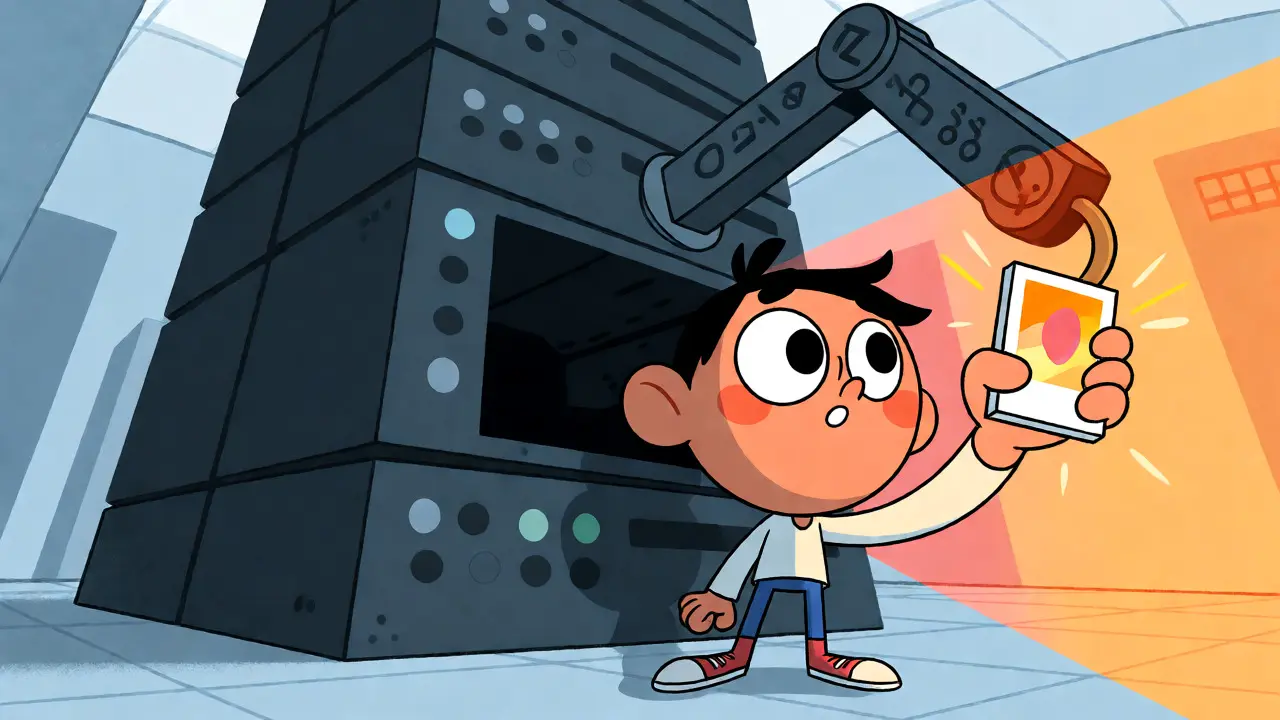
Imagine posting a photo on Instagram and realizing you don't actually own it. You can't take your followers with you if the platform bans you, and you get pennies for content that generates billions in ad revenue. This is the core frustration driving the future of blockchain social media. We are moving away from centralized silos where corporations rent your attention, toward a new era called SocialFi, where users own their data, identity, and earnings.
The shift isn't just theoretical hype. By late 2024, the SocialFi sector had grown into a $1.2 billion market with over 15 million active monthly users. That number might seem small compared to Meta's billions, but it represents a massive cultural pivot among creators who are tired of algorithmic manipulation. If you're wondering whether these platforms are ready for prime time or still stuck in crypto-nerd hell, we need to look at what’s actually happening under the hood right now.
Why Traditional Social Media Is Breaking Down
Most people hate how current platforms work, even if they keep using them. A survey by 8Seneca found that 78% of users cited privacy concerns, opaque algorithms, and poor monetization as reasons to look elsewhere. Think about it: when you tweet something viral, Twitter (now X) keeps the ad money. When you post a reel, Instagram takes its cut. In the blockchain social media model, this dynamic flips.
In decentralized networks, you hold the keys-literally. Your profile isn't a database entry owned by a company; it's often an NFT or a decentralized identifier (DID) that lives on a public ledger like Ethereum or Solana. This means your social graph-who follows you, who you follow-is portable. If Platform A shuts down or changes its rules, you don't lose your community. You just connect your wallet to Platform B, and your connections come with you. This portability is the killer feature that traditional platforms can't easily replicate because their business models rely on lock-in.
The Big Players: Lens Protocol, Farcaster, and Bluesky
Not all decentralized platforms are built the same way. The landscape has split into distinct architectural approaches, each trying to solve different problems.
| Platform | Core Technology | User Base (Late 2024) | Monetization Model | Main Barrier |
|---|---|---|---|---|
| Lens Protocol | Ethereum L2 (Lens Network), ERC-721 Profiles | 3.2M profiles across 47 apps | Tips, Collectibles, Token Rewards | High learning curve for wallets/gas fees |
| Farcaster | Hybrid (Ethereum IDs + IPFS storage) | Millions via Warpcast client | Frames (mini-apps), Tips | Requires crypto wallet setup |
| Bluesky | AT Protocol (Federated) | 10M+ users | Currently free, future ads/subscriptions | Still partially centralized infrastructure |
| Hive | Delegated Proof-of-Stake | 1.2M daily active users | Crypto rewards for posts/comments | Dated UI, smaller ecosystem |
| Friend.Tech | Base Chain, Share-based trading | 250k active wallets | Trading "shares" of creators | Regulatory risk (securities classification) |
Lens Protocol, backed by the team behind Aave, treats social interactions as financial assets. Every post you make can be minted as an NFT, allowing others to buy it, speculate on its value, or tip you directly. Their move to a dedicated Layer 2 blockchain reduced transaction costs to fractions of a cent, making micro-interactions viable. However, the user experience remains clunky for non-crypto natives. Managing seed phrases and gas fees is a hurdle most casual users won't jump.
Farcaster takes a different approach. It doesn't store every byte of data on-chain, which would be too expensive. Instead, it uses a hybrid model where identities live on Ethereum but content sits on decentralized storage networks like IPFS. Its flagship app, Warpcast, feels surprisingly similar to Twitter, which helped it capture the crypto-native crowd quickly. But it’s still limited to those comfortable with digital wallets.
Then there’s Bluesky. Often lumped in with blockchain projects, Bluesky uses the AT Protocol, which is decentralized in design but currently relies on centralized servers for speed and ease of use. It reached 10 million users rapidly because it didn’t force users to understand crypto. It’s a bridge between Web2 convenience and Web3 ideals, though purists argue it lacks true decentralization today.
How Creators Actually Make Money
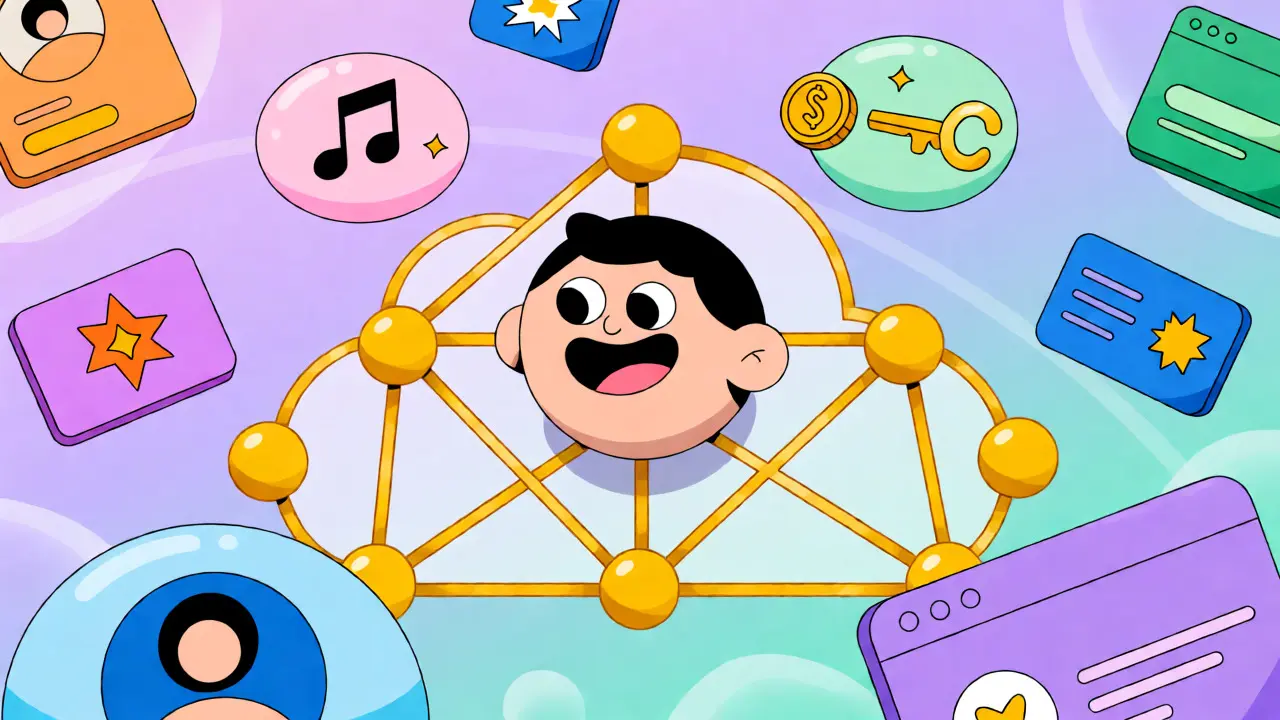
The biggest draw for influencers and artists is direct monetization. On traditional platforms, you need millions of followers to earn significant income through brand deals. In SocialFi, the economics are granular.
Take Farcaster’s "Frames." These are interactive mini-apps embedded directly in posts. A musician can let fans listen to a snippet and buy a ticket without leaving the feed. One artist reported earning $8,500 in a single month through Frames, compared to $1,200 on standard platforms. Why? Because the friction to pay is lower, and the audience is more engaged.
Lens Protocol offers another angle: collectibles. When you post art or a thought-provoking thread, followers can "collect" it as an NFT. This creates a secondary market for content. Early Steem experiments showed that while many creators earned less than $5 a month, top performers leveraged token incentives to build loyal communities. The key difference is transparency. You can see exactly how much revenue a post generated, unlike the black box of YouTube analytics.
The Usability Gap: Why Your Mom Isn't Joining Yet
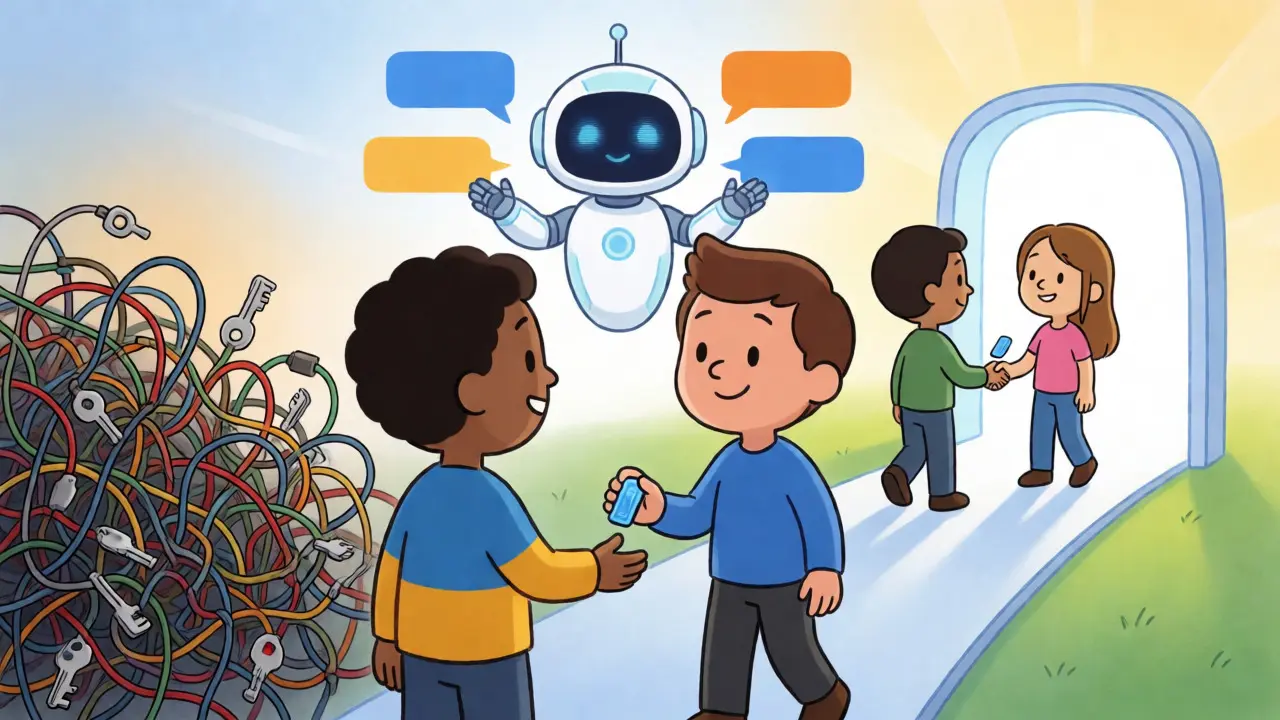
Here’s the hard truth: blockchain social media is hard to use. A usability study noted that logging into Lens Protocol scores a 7.2 out of 10 on difficulty, compared to Instagram’s 2.1. For beginners, the journey involves creating a non-custodial wallet, funding it with crypto, connecting to the app, and understanding gas fees. That’s five steps before you even post a selfie.
This "wallet fatigue" is real. Surveys show 63% of SocialFi users juggle three or more wallets. Abandonment rates at the wallet creation step hit 78%. Until platforms hide the complexity-perhaps through email-based logins or unified interfaces like Backpack Exchange-mainstream adoption will stall. Bluesky’s success proves that simplicity wins. They prioritized a familiar interface over radical decentralization, and users flocked to it.
Regulatory Risks and Market Realities
Money attracts regulators. Friend.Tech, which allowed users to buy and sell shares of creators, faced scrutiny from the SEC. In late 2024, regulators suggested these shares might be securities, causing some creators to pull back. If every like or share becomes a potential financial instrument, the legal burden on platforms skyrockets.
Gartner places decentralized social media at the "Peak of Inflated Expectations," predicting mainstream adoption between 2027 and 2030. Deloitte executives believe SocialFi could capture 15-25% of the $207 billion ad market by then, but only if they solve moderation and usability. Right now, the sector is fragmented. There are over 65 active dapps, but six control nearly 80% of users. Consolidation is inevitable. Expect mergers or shutdowns as platforms fight for liquidity and network effects.
What’s Next for Decentralized Social?
Look for three trends in the near term:
- Interoperability Standards: W3C’s Decentralized Identifiers v2.0 aims to create a universal ID system. Imagine using one login for Lens, Farcaster, and Hive simultaneously.
- Fiat On-Ramps: Services like Circle are integrating direct bank-to-wallet transfers. You’ll soon be able to withdraw earnings to your PayPal or bank account without touching a crypto exchange.
- AI Moderation: With no central authority, spam is rampant. AI tools are being deployed to filter low-quality content automatically, addressing the criticism that token incentives encourage garbage posts.
The future isn't about replacing Facebook overnight. It’s about offering a choice. For creators who want ownership and users who value privacy, blockchain social media provides a genuine alternative. For everyone else, it remains a niche experiment until the tech disappears into the background.
Is blockchain social media completely anonymous?
No. Most platforms like Lens and Farcaster are pseudonymous rather than anonymous. Your activity is linked to a public wallet address, which can often be traced back to your identity through exchanges or social linking. True anonymity requires additional layers like mixers or specialized privacy chains.
Do I need to know how to code to use these platforms?
Not necessarily, but you do need basic crypto literacy. Understanding what a private key is, how to send a transaction, and how to manage gas fees is essential. Newer interfaces are hiding this complexity, but mistakes like losing your seed phrase are irreversible.
Which platform is best for beginners?
Bluesky is currently the easiest entry point because it doesn't require a crypto wallet initially. For those willing to learn, Farcaster via Warpcast offers a smoother experience than raw Lens Protocol, thanks to its polished mobile app and integrated onboarding flows.
Can I move my followers from Instagram to a blockchain platform?
Not automatically. Since the graphs are separate, you have to manually invite your existing followers. However, once you build a following on a decentralized platform, that graph belongs to you. You can export it and import it into any other compatible app in the future, unlike Instagram where your followers are trapped in their walled garden.
Are creator tokens safe investments?
They are highly volatile and speculative. While some early adopters made significant gains, many lost money when hype faded. Regulatory uncertainty also looms large, as seen with Friend.Tech. Treat them as high-risk experimental assets, not stable savings vehicles.