Crypto Regulations and Scams in 2025: Legal Status, Airdrops, and Security Risks
When it comes to crypto regulations, the evolving legal frameworks that govern how digital assets are used, taxed, and enforced by governments worldwide. Also known as blockchain compliance, it's no longer just about trading—it's about staying out of legal trouble. In 2025, countries are taking wildly different paths. Some, like Wyoming and Vermont, now recognize DAOs, decentralized organizations that operate without central leadership, using smart contracts to manage funds and decisions. Also known as decentralized autonomous organizations, they can legally own property and hire contractors. Others, like Singapore and India, are shutting down new licenses and banning crypto payments entirely. Meanwhile, El Salvador reversed its Bitcoin legal tender law after public backlash and IMF pressure. This isn’t chaos—it’s a global reset. Governments are finally catching up to blockchain’s real impact, and the rules are changing faster than most traders realize.
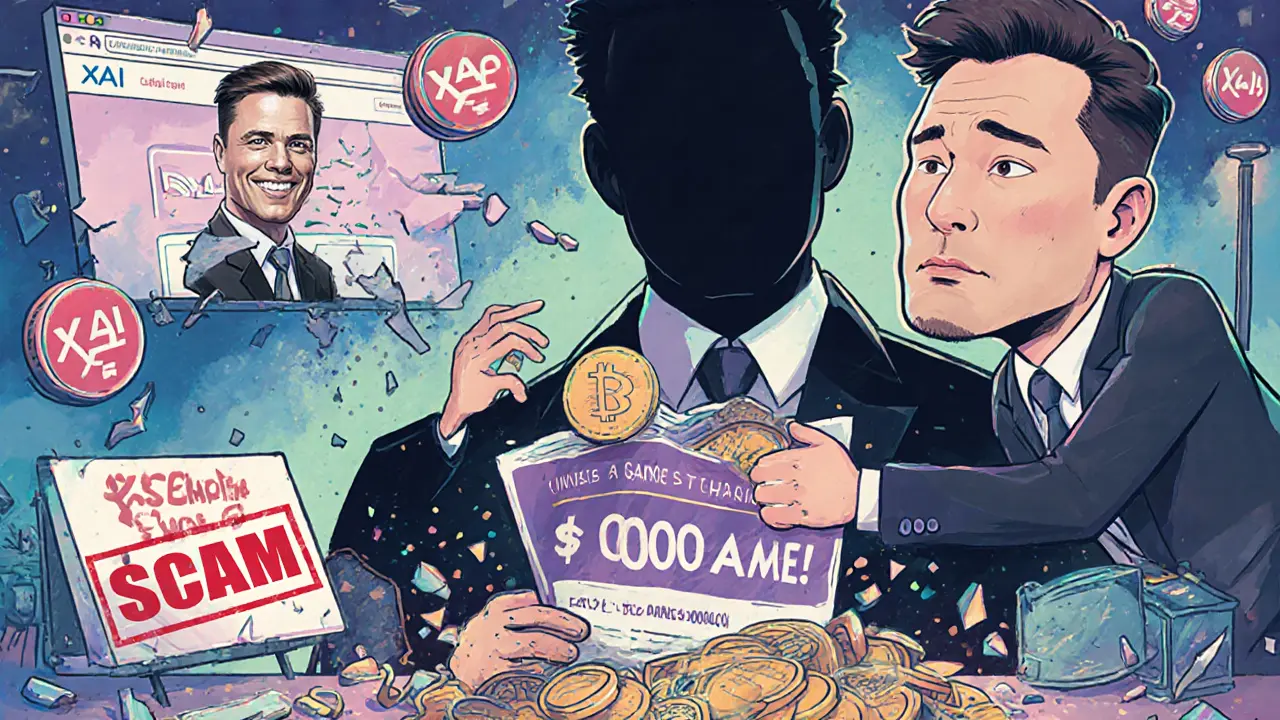
At the same time, crypto scams, fraudulent tokens and fake projects designed to trick investors into sending money with no real product or team behind them. Also known as rug pulls, they are booming. Projects like CRO Trump AI, Just Elizabeth Cat, and xAI Game Studio are pure fiction—no team, no code, no future. They copy real names, steal tickers, and vanish after a quick pump. Airdrops are no safer. DeFiHorse, Kalata, and even Rainmaker Games have been falsely advertised as free token drops, but most are traps. Real airdrops don’t ask for your private key. They don’t require you to connect your wallet to unknown sites. And they don’t promise instant riches. If it sounds too good to be true, it’s not a gift—it’s a heist.
And behind every scam is a deeper issue: blockchain security, the practices and tools that protect your digital assets from theft, hacking, and irreversible loss. Also known as crypto custody, it isn’t about fancy wallets—it’s about basics. Your private key can’t be hacked by guessing. But phishing emails, fake apps, and malware can steal it in seconds. If you don’t have your seed phrase backed up offline, your crypto is gone forever. No one can recover it. No support team can help. That’s why places like Kosovo and Iran are fighting over energy, and why FinCEN and MAS are forcing exchanges to prove they know who their users are. The future of crypto isn’t just about price charts. It’s about knowing who’s in charge, what’s real, and how to keep your money safe.
What you’ll find below isn’t just a list of articles. It’s a map of the minefield. You’ll see how countries are banning mining to save their power grids, why Bangladesh still uses crypto despite a total ban, and how whale tracking tools are helping smart traders stay ahead. You’ll learn what’s actually happening with DAOs, airdrops, and exchanges like THORChain and ShadowSwap. And you’ll get the truth about tokens that pretend to be linked to Elon Musk, Trump, or CoinMarketCap—because in 2025, the biggest risk isn’t volatility. It’s being fooled.