Kosovo Mining Energy Calculator
Energy Consumption Calculator
See how much energy cryptocurrency mining consumes compared to household use and renewable energy needs.
Your mining operation uses approximately 0 kWh per day.
This equals 0 days of electricity for an average household.
You would need solar panels with at least 0 kW capacity to power your operation.
Note: Kosovo's regulations require mining operations to use their own renewable energy sources. Using grid power would be illegal under current regulations.
According to Kosovo's energy regulations, mining operations must not draw power from the national grid.
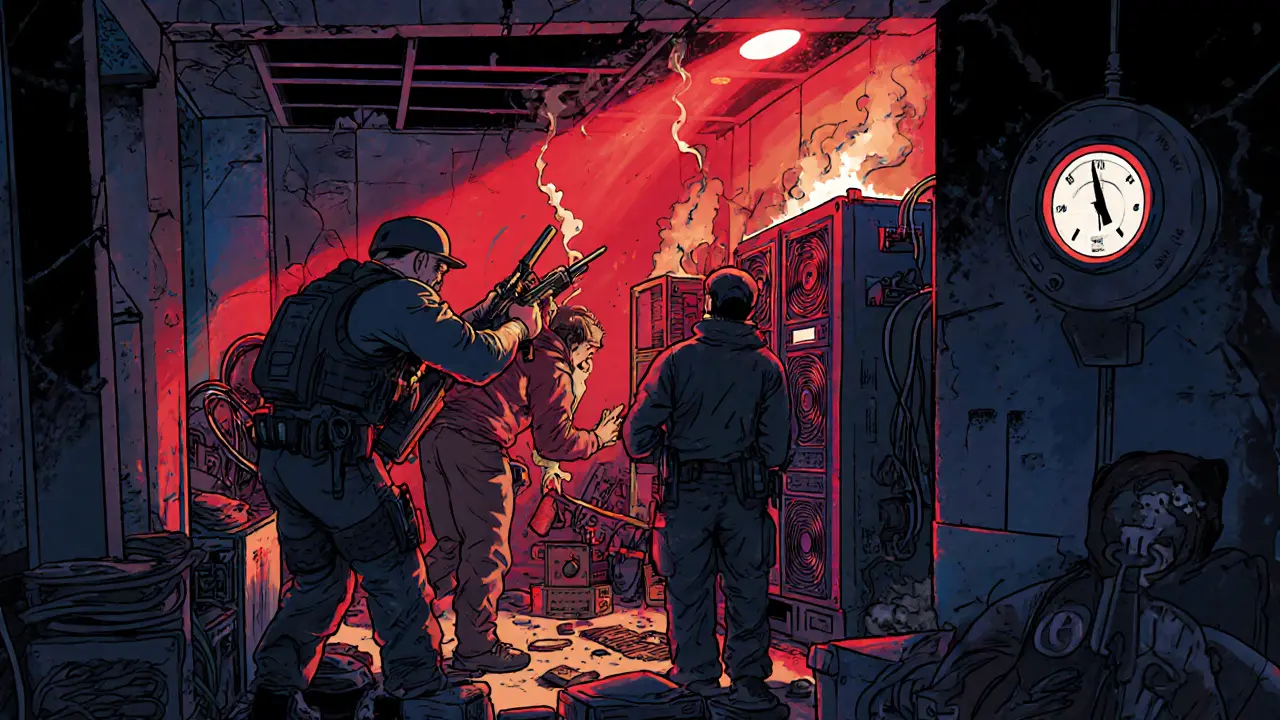
On January 4, 2022, Kosovo shut down its entire cryptocurrency mining industry overnight. Not with a court order. Not after years of debate. But with a police raid. Hundreds of mining rigs - loud, hot, power-hungry machines - were seized from homes, warehouses, and even underground garages across the country. The reason? The lights were going out.
Kosovo, a small Balkan nation of just 1.8 million people, was running on borrowed time. One of its two coal-fired power plants had suddenly stopped working. Electricity imports were expensive and unreliable. Blackouts lasted up to 10 hours a day in some areas. Schools closed. Hospitals relied on generators. And in the middle of it all, cryptocurrency miners were quietly siphoning off enough power to light a small city.
It wasn’t just a few hobbyists. In northern Kosovo, where unemployment was high and wages low, mining became a full-time job. One miner, known only as Dragan, told reporters he was making over 2,000 euros a month - five times the national average. He didn’t pay for electricity. The state did. And the grid was cracking under the load.
Why Crypto Mining Hit Kosovo So Hard
Cryptocurrency mining isn’t like running a website. It’s a factory. You need powerful computers, constantly running, cooling fans whirring, drawing massive amounts of electricity just to solve complex math problems that verify Bitcoin and Ethereum transactions. In Kosovo, miners didn’t just use electricity - they abused it. With subsidized rates and no oversight, mining rigs multiplied like weeds.
By late 2021, experts estimated that crypto mining was consuming nearly 15% of Kosovo’s total electricity output. That’s more than all the streetlights, public buildings, and small businesses combined. The national grid, already aging and inefficient, couldn’t handle it. The government had two choices: let the lights go out for families, or stop the miners.
They chose to stop the miners.
The Crackdown: Raids, Seizures, and Silence
The ban wasn’t announced with press releases. It was enforced with armored vehicles and police in tactical gear. Teams raided mining operations across the country, confiscating thousands of ASIC miners - the specialized hardware used for Bitcoin mining. Each rig cost between 20,000 and 30,000 euros. Many miners had taken out loans to buy them. Now, their entire investment was gone.
Some tried to hide their rigs. Others dismantled them and scattered the parts. But the government had satellite data, power usage logs, and tips from neighbors. Within weeks, over 10,000 mining devices were seized. The black market for mining equipment in Pristina collapsed overnight.
The economic shock was real. Thousands lost their income. Some moved abroad. Others went back to farming or driving taxis. The mining boom had been a lifeline for many in the north - and now it was gone.
From Ban to Bureaucracy: The New Rules in 2025
But Kosovo didn’t just leave it at a ban. By 2023, officials realized that outlawing crypto mining entirely wasn’t sustainable. It pushed the activity underground. It didn’t solve the energy problem - it just made it harder to track.
So they changed the rules.
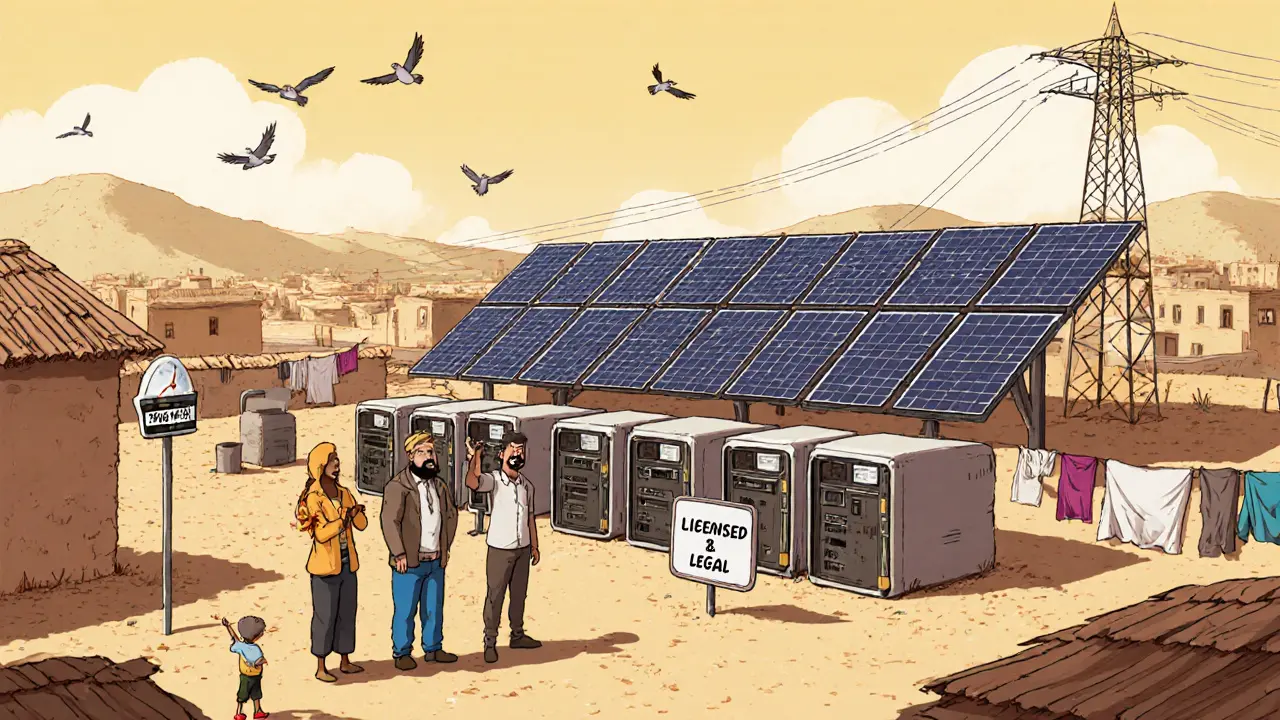
As of 2025, crypto mining is not banned - but it’s heavily restricted. You can mine cryptocurrency only if you’re using your own power source: solar panels, wind turbines, or private generators. Anything connected to the national grid? Illegal. Period.
The government set up a registration system. Miners must now declare their equipment, prove their energy source, and pay a small licensing fee. Inspectors show up unannounced. Power meters are installed on every mining setup. If you’re drawing more than 10% of your solar panel’s output for mining? You’re flagged.
This isn’t just about saving electricity. It’s about control. Before the ban, no one knew who was mining, how much power they used, or where the money was going. Now, the state can track it. Tax it. Regulate it.
Why Kosovo’s Approach Matters Globally
Kosovo isn’t alone. In 2021, China shut down its entire crypto mining industry - the biggest in the world. Iran banned mining during fuel shortages. Russia has fluctuated between bans and licenses. But Kosovo’s model is different. It didn’t just say “no.” It said, “You can do this - but not on our dime.”
It’s a middle path. Not anti-innovation. Not pro-mining. Just pro-energy security.
According to the University of Cambridge, only 39% of Bitcoin mining globally runs on renewable energy. The rest - 61% - comes from coal, oil, and gas. In countries like Kosovo, where energy is scarce and expensive, letting miners burn through public power is like letting a neighbor drain your water well to water their lawn.
Kosovo’s solution? Make miners pay for their own fuel.
The Law Still Isn’t Finished
Even now, in 2025, Kosovo doesn’t have a full crypto law. The draft legislation, worked on since 2021, is still being reviewed by the European Commission. Brussels is pushing for stronger anti-money laundering rules - especially since mining in northern Kosovo had links to unregulated cash flows and tax evasion.
The government is caught between two pressures: the need to modernize and the need to protect. On one side, young entrepreneurs want to build crypto businesses. On the other, elderly citizens are still waiting for stable electricity.
The compromise? Let mining live - but only if it doesn’t hurt the people.
What This Means for Miners Today
If you’re thinking about mining crypto in Kosovo today, here’s the reality:
- You can’t plug into the wall. Ever.
- You need your own power source - solar, wind, or diesel.
- You must register your equipment with the Ministry of Economy.
- You’ll be audited. Randomly. And often.
- Unregistered mining = fines, equipment seizure, possible criminal charges.
Some miners have adapted. In the village of Mitrovica, a group of entrepreneurs installed 120 solar panels just to power 20 mining rigs. They sell the excess energy back to the grid legally - and pay taxes on their profits. It’s not easy. But it’s legal.
Others gave up. One former miner, who once earned 2,000 euros a month, now runs a small repair shop for phones and laptops. He doesn’t miss the noise. Or the fear of police knocking at 3 a.m.
The Bigger Picture: Energy, Not Crypto
Kosovo’s story isn’t about Bitcoin. It’s not even really about crypto. It’s about what happens when a country’s power grid is too weak to support a new, hungry technology.
Most people think crypto mining is a tech problem. It’s not. It’s an energy problem. And in places like Kosovo, where the grid is fragile, the choice isn’t between innovation and tradition. It’s between keeping the lights on for your neighbors - or letting a few people profit off their darkness.
Kosovo chose the people. And in doing so, it created one of the most practical crypto regulations in the world: Don’t use public power. Use your own. Then you’re fine.
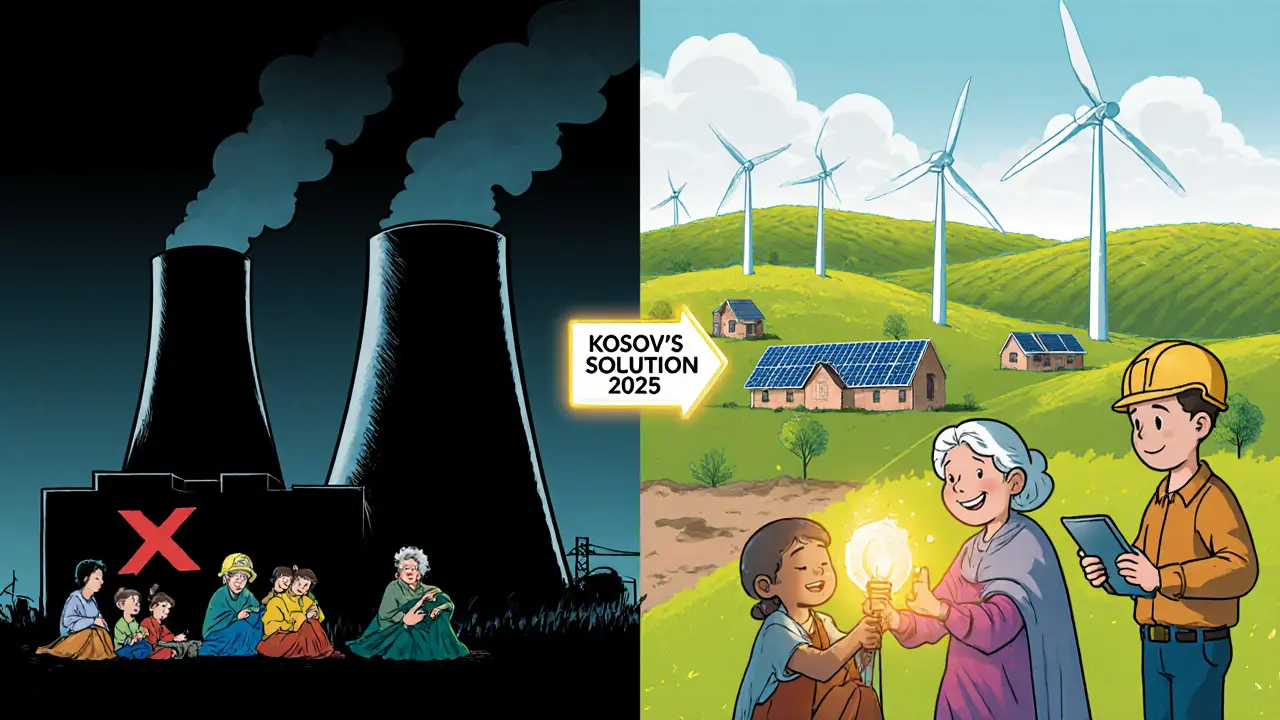
It’s not perfect. The law is still incomplete. Enforcement is uneven. But it works. Blackouts are down 70% since 2022. Solar installations have tripled. And for the first time in years, families in Pristina can turn on their heaters without wondering if the power will stay on.