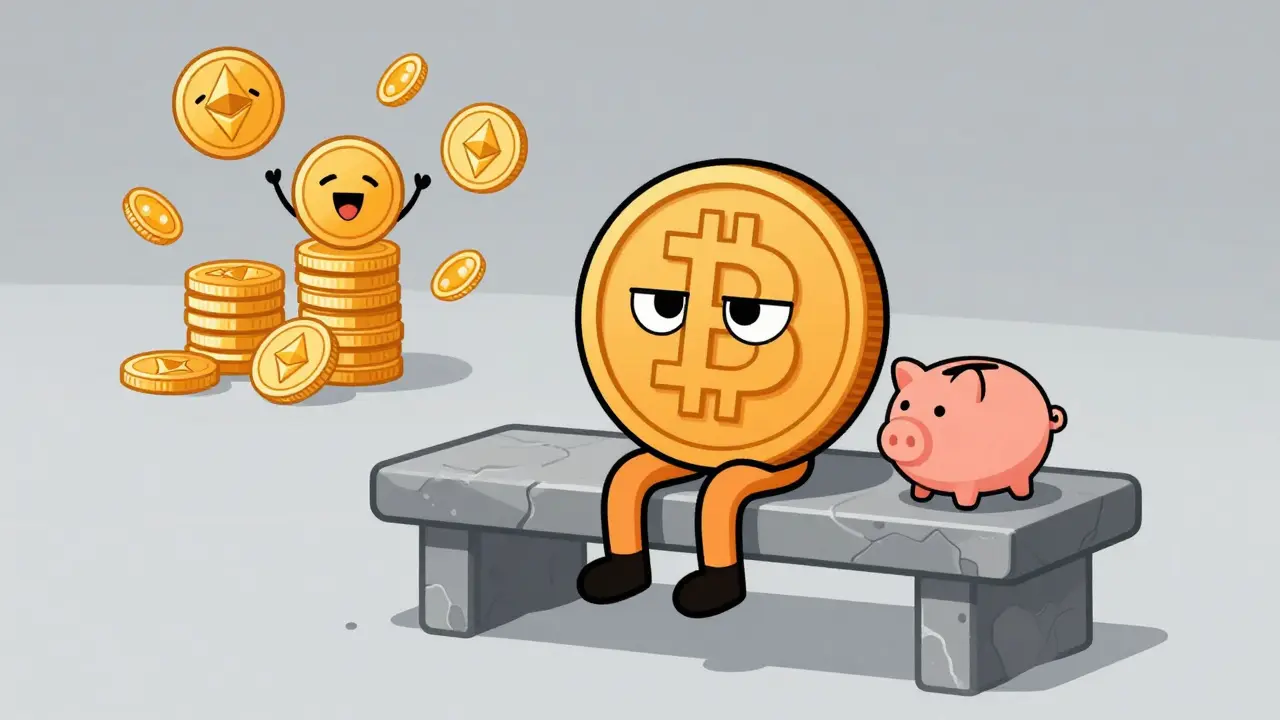
For years, holding Bitcoin meant sitting on your hands. You bought it, you stored it in a cold wallet, and you hoped the price went up. Unlike Ethereum or Solana, where you could stake your coins to earn rewards, Bitcoin sat idle. That changed with the rise of BounceBit, a CeDeFi (Centralized-Decentralized Finance) protocol designed specifically for Bitcoin restaking. If you have been hearing about BB tokens lately and wondering if they are worth your attention, you are not alone. This guide breaks down what BounceBit actually does, how it makes money for users, and whether this new approach to crypto finance is right for you.
The Problem With Idle Bitcoin
Let's look at the elephant in the room. Bitcoin controls more than half of the entire cryptocurrency market cap, yet it generates almost zero yield for its holders. In traditional finance, you put money in a savings account and get interest. In decentralized finance (DeFi), you stake assets like ETH or SOL to secure the network and earn tokens in return. Bitcoin holders? They got nothing but price speculation.
This gap created a massive opportunity. Investors wanted exposure to Bitcoin's security without giving up the potential for passive income. Enter BounceBit. Launched in May 2024 by Jack Lu, an expert in blockchain consensus mechanisms, BounceBit was built to solve this specific problem. It doesn't just try to copy Ethereum; it builds a bridge between the rigid security of centralized finance (CeFi) and the flexible transparency of decentralized finance (DeFi).
What Exactly Is CeDeFi?
You might be familiar with DeFi, where code replaces banks. You might also know CeFi, where companies like Coinbase or Binance hold your assets. BounceBit introduces a hybrid model called CeDeFi, which stands for Centralized-Decentralized Finance.
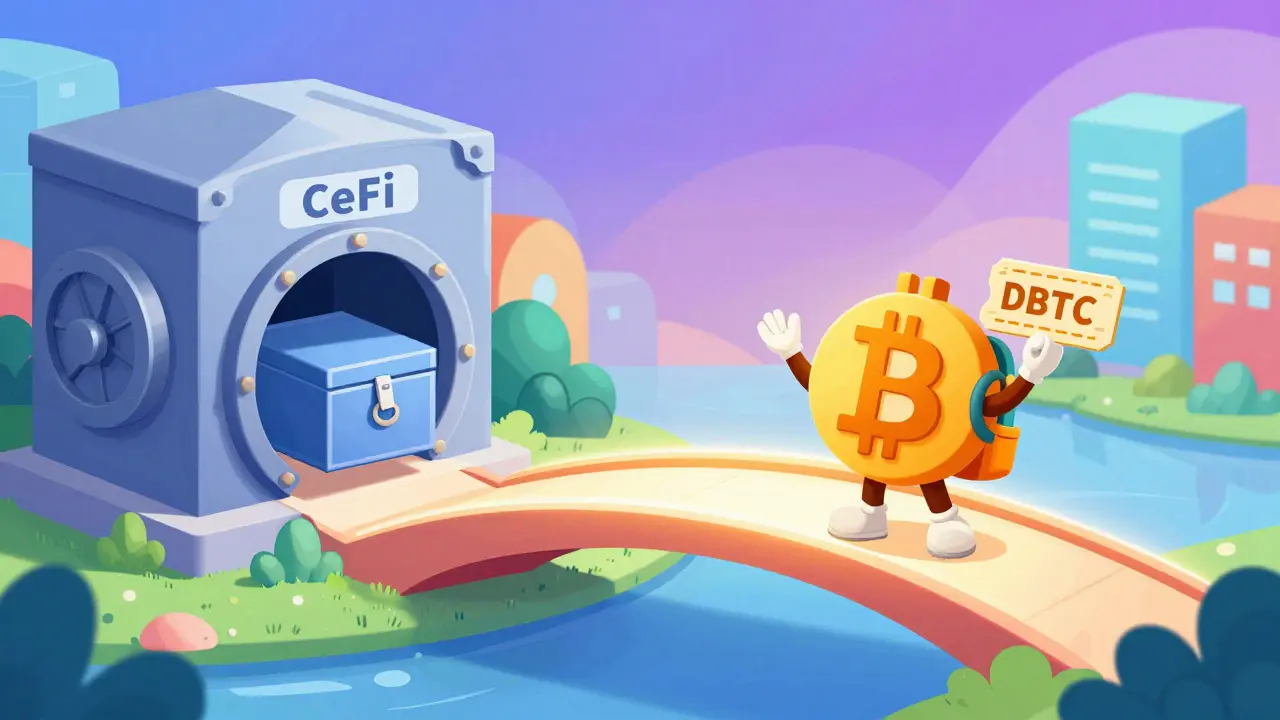
Here is how it works in plain English. When you deposit Bitcoin into BounceBit, the platform uses regulated custodians (like CEFFU) to manage the actual coins. This gives you the institutional-grade security and insurance that big banks offer. At the same time, the protocol issues a digital receipt called BBTC, a Bitcoin-backed token representing your deposited BTC on the BounceBit chain. You can use this BBTC in the decentralized world-staking it, lending it, or using it in smart contracts-while the underlying Bitcoin remains safely secured by centralized partners.
This dual approach solves two major headaches. First, it removes the risk of smart contract hacks affecting your principal Bitcoin balance because the real BTC is held off-chain by trusted custodians. Second, it allows Bitcoin to participate in the fast-moving DeFi ecosystem without compromising its core security model.
How the BounceBit Network Works
Under the hood, BounceBit operates as a Layer 1 blockchain. But it is not just any blockchain. It is fully compatible with the Ethereum Virtual Machine (EVM). Why does that matter? Because it means developers who already build apps for Ethereum can easily port their projects to BounceBit. You get the security of Bitcoin combined with the programmability of Ethereum.
The network runs on a unique Dual-Token Proof of Stake mechanism. Most blockchains only allow you to stake one type of coin to secure the network. BounceBit lets validators stake either:
- BB Tokens: The native governance and utility token of the platform.
- BBTC Tokens: The Bitcoin-backed receipts mentioned earlier.
This flexibility is crucial. It means that Bitcoin holders have a direct say in securing the network, rather than being sidelined by Ethereum-only stakers. Validators earn rewards in BB tokens, creating a constant demand for the native currency.
Understanding the BB Token
If you are looking at trading charts, you will see the ticker symbol BB, the native utility and governance token of the BounceBit ecosystem. It is not just a speculative asset; it has real jobs to do within the network.
First, BB is used to pay for gas fees. Every time you swap tokens, stake assets, or interact with a smart contract on BounceBit, you pay a small fee in BB. Second, it is the reward mechanism. Validators and liquidity providers earn BB for keeping the network running smoothly. Third, it governs the future of the project. Holders can vote on proposals regarding protocol upgrades, fee structures, and new partnerships.
The total supply of BB is capped at 2.1 billion tokens. Notice the number? It is a deliberate nod to Bitcoin's 21 million supply limit. As of mid-2026, approximately 410 million BB tokens are in circulation. This controlled distribution helps prevent the inflationary dumps that plague many newer crypto projects. Since its launch in 2024, the token has seen significant volatility, hitting an all-time high of $0.8655 shortly after going live, reflecting strong initial investor interest.
| Feature | BounceBit (CeDeFi) | Traditional DeFi Lending | CeFi Exchange Savings |
|---|---|---|---|
| Asset Control | Hybrid (Custodied BTC, On-chain BBTC) | Fully On-chain (Smart Contract Risk) | Fully Off-chain (Counterparty Risk) |
| Yield Source | Staking + Institutional Interest + DeFi Farming | Lending/Borrowing Spreads | Interest from Borrowers |
| Bitcoin Utility | High (Can stake BTC directly via BBTC) | Low (Requires wrapped BTC bridges) | None (Just holds BTC) |
| Transparency | On-chain records for activities | Fully transparent | Opaque (Black box) |
Earning Yield: How Do You Make Money?
So, how does this translate to profit in your pocket? BounceBit offers three main avenues for generating returns, often simultaneously.
1. Native Bitcoin Staking: You deposit BTC, receive BBTC, and stake that BBTC. You earn rewards in BB tokens. This is the simplest path for Bitcoin maximalists who want yield without learning complex DeFi strategies.
2. Liquidity Custody Tokens (LCTs): This is where the CeDeFi magic happens. BounceBit partners with institutions to lend out the custodied Bitcoin. The interest earned from these institutional loans is passed back to users. So, you are earning yield from both the decentralized staking layer AND the centralized lending layer.
3. Liquidity Mining: Advanced users can provide liquidity to pools on the BounceBit exchange. By adding pairs like BB/USDT or BBTC/ETH, you earn trading fees and additional BB incentives. This carries higher risk due to impermanent loss but offers potentially higher returns.
Risks and Challenges to Consider
No investment is free of risk, and BounceBit is no exception. Before you connect your wallet, keep these factors in mind.
Complexity Barrier: Understanding CeDeFi is harder than understanding simple spot trading. You need to grasp concepts like wrapped assets, custody risks, and dual-token mechanics. If you are a beginner, the learning curve is steep. Misunderstanding how BBTC works could lead to poor decision-making during market downturns.
Custodial Risk: While BounceBit uses reputable partners like CEFFU, the fact remains that your actual Bitcoin is held by a third party. If that custodian fails, gets hacked, or faces regulatory seizure, your BBTC could lose value. This is the fundamental trade-off of CeDeFi: higher yields and easier usability in exchange for trusting a central entity.
Smart Contract Risk: Even though the BTC is custodied, the BBTC token and the staking contracts live on-chain. Bugs in the code could theoretically be exploited. Audits help, but they do not eliminate risk entirely.
Market Volatility: The BB token itself is volatile. Its price depends on network usage and overall crypto sentiment. If staking rewards drop or user interest wanes, the value of your BB rewards could plummet, even if the underlying Bitcoin stays stable.
Who Is BounceBit For?
BounceBit is not for everyone. If you are a strict "not your keys, not your coins" purist who refuses to trust any centralized intermediary, this protocol might not fit your philosophy. However, if you are a Bitcoin holder tired of watching your assets sit idle, BounceBit offers a compelling middle ground.
It is particularly attractive for:
- Yield Seekers: Users who want more than 0% APY on their Bitcoin.
- Institutional Adopters: Funds looking for compliant, audited ways to generate yield on BTC reserves.
- DeFi Veterans: Traders who want to use Bitcoin in complex strategies without relying on risky cross-chain bridges.
As of late 2025, BounceBit Prime had surpassed $1.5 billion in cumulative trading volume, signaling growing adoption. Partnerships with major players like Franklin Templeton (for tokenized U.S. Treasuries) suggest that institutional money is taking notice. This validation adds a layer of credibility that many smaller DeFi protocols lack.
Getting Started: A Simple Checklist
If you decide to give BounceBit a try, follow these steps to stay safe and efficient:
- Secure Your Wallet: Use a hardware wallet or a well-audited software wallet that supports EVM chains. Ensure you have backed up your seed phrase offline.
- Buy BB Tokens: Purchase BB from a major exchange to cover gas fees. Keep enough in reserve so you are never stuck unable to transact.
- Bridge or Deposit BTC: Follow the official BounceBit portal instructions to deposit Bitcoin. Verify that you are receiving BBTC in return.
- Start Small: Do not dump your entire Bitcoin portfolio into a new protocol on day one. Test with a small amount to understand the interface and withdrawal process.
- Monitor Rewards: Track your staking rewards in BB. Decide early whether you want to compound them (re-stake) or sell them for profit.
Final Thoughts on BounceBit
BounceBit represents a significant evolution in how we think about Bitcoin utility. By blending the best parts of centralized and decentralized finance, it unlocks yield opportunities that were previously inaccessible to retail investors. The dual-token PoS model and the focus on institutional-grade custody make it stand out in a crowded field of Bitcoin Layer-2 solutions.
However, remember that higher yield always comes with higher complexity and risk. Do your own research, understand the custodial nature of the assets, and never invest more than you can afford to lose. As the crypto landscape continues to mature in 2026, protocols like BounceBit may become standard infrastructure-or they may fade if better alternatives emerge. Stay curious, stay cautious, and keep your eyes on the data.
Is BounceBit (BB) a good investment?
Whether BB is a good investment depends on your risk tolerance and belief in the CeDeFi model. The token has shown growth since its 2024 launch, driven by Bitcoin restaking demand. However, like all crypto assets, it is volatile. It is best suited for investors who understand the technology and are comfortable with the risks of emerging protocols.
What is the difference between BB and BBTC?
BB is the native utility and governance token of the BounceBit network, used for gas fees and voting. BBTC is a tokenized representation of Bitcoin deposited into the protocol. You hold BBTC to prove ownership of your Bitcoin while earning yield, whereas you hold BB to participate in the network's operations and governance.
Is my Bitcoin safe on BounceBit?
Your actual Bitcoin is held by regulated custodians like CEFFU, providing institutional-grade security. However, this introduces counterparty risk. If the custodian fails, your funds could be at risk. Additionally, the smart contracts managing BBTC carry inherent code risks. Always diversify and avoid putting all your assets into one protocol.
How do I start staking on BounceBit?
To start staking, you need a compatible wallet, some BB tokens for gas fees, and Bitcoin to deposit. Visit the official BounceBit portal, connect your wallet, deposit BTC to receive BBTC, and then stake your BBTC in the validator pool. You will begin earning rewards in BB tokens.
What is the total supply of BB tokens?
The total supply of BB tokens is capped at 2.1 billion. This fixed supply is designed to mimic Bitcoin's scarcity principles, aiming to support long-term value stability compared to inflationary tokens.