When people ask what crypto exchanges are banned in Russia, they’re often expecting a simple list: Binance? Coinbase? Kraken? Blocked. Done. But the truth is messier. Russia doesn’t just ban exchanges like flipping a switch. It picks and chooses based on who complies, who evades sanctions, and who answers to Moscow. Some platforms are officially blocked. Others are still running - just under new names, new owners, and new legal shells.
Garantex: The Exchange That Didn’t Die
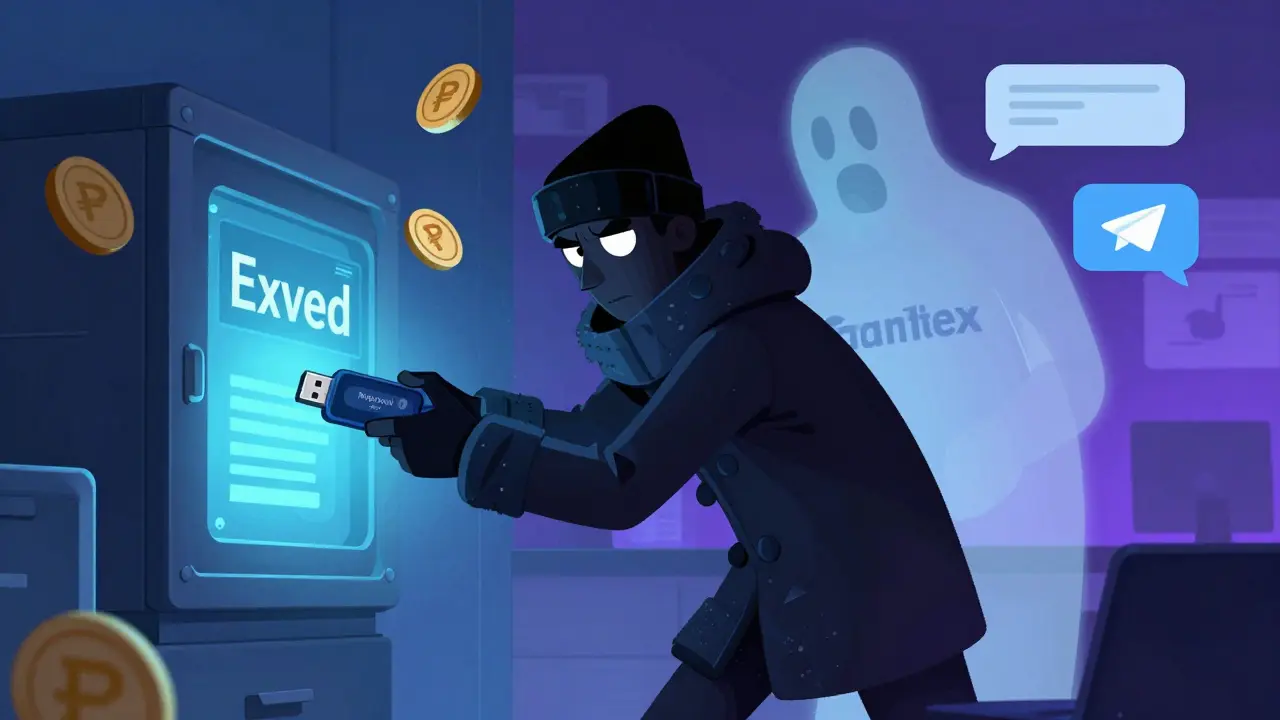
Garantex was once Russia’s biggest crypto exchange. It handled billions in trades, mostly in rubles and stablecoins. But in 2022, the U.S. Treasury slapped it with sanctions for helping Russian entities bypass international financial controls. By spring 2025, the hammer fell. The U.S. Secret Service, working with German and Finnish police, seized Garantex’s domain and froze over $26 million in crypto. Its founders were indicted. One was arrested in India. But Garantex didn’t vanish. It split. Its infrastructure got rebuilt under a new name: Exved. This company, registered in Moscow’s International Business Center, calls itself "the first exchange for importers and exporters." It doesn’t look like a crypto platform. It doesn’t advertise Bitcoin. But it moves money - the same way Garantex did. Its founder? Sergey Mendeleev, the same guy who built Garantex’s backend. Russian authorities don’t touch Exved. Why? Because it doesn’t technically violate any domestic laws. It’s not listed as a crypto exchange. It’s a payment processor. And in Russia, that’s a loophole.Grinex: The Successor That Got Targeted Too
As Garantex collapsed, its team didn’t quit. They launched Grinex. Same team. Same tech. Same customers. The U.S. Treasury didn’t take long to notice. In early 2025, OFAC added Grinex to its sanctions list, calling it a direct successor to Garantex. The Department of Justice unsealed indictments against two former Garantex executives: Aleksandr Mira Serda and Aleksej Besciokov. The State Department is offering up to $5 million for information leading to Mira Serda’s arrest. Grinex isn’t accessible inside Russia anymore - not legally. But that doesn’t mean it’s gone. Users still find ways. P2P networks. Telegram bots. Offshore wallets. The platform’s user base didn’t disappear. It just went underground.Why Binance, Coinbase, and Kraken Aren’t Officially Banned - But Still Can’t Operate
You’ll see headlines saying Binance is banned in Russia. That’s misleading. The Russian government never issued a direct order to block Binance, Coinbase, or Kraken. So why can’t you use them? Because Russia cut the pipes. Banks can’t process payments to or from these platforms. Payment processors like Sberbank and Tinkoff refuse to touch crypto-related transactions. Even if you try to sign up, you’ll hit a wall: no Russian phone number verification, no local bank link, no ruble deposit option. The Bank of Russia has made it clear: financial institutions must not facilitate crypto transactions with foreign exchanges that don’t meet Russia’s KYC and AML rules. So while these platforms aren’t on Roskomnadzor’s blocked sites list, they’re functionally dead in Russia. You can access their websites, but you can’t use them. It’s like having a restaurant open - but no one’s allowed to serve food to locals.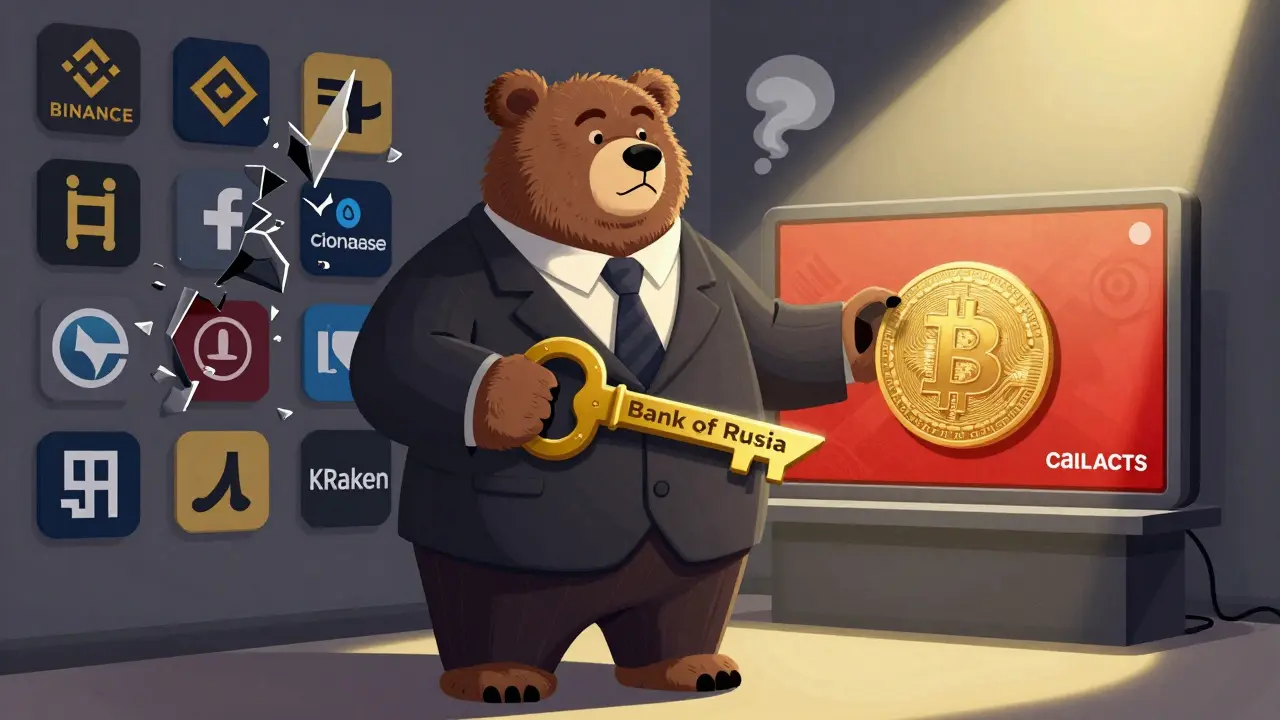
BestChange: The One That Got Unbanned
BestChange is a crypto aggregation platform - not an exchange, but a comparison tool that shows users the best rates across dozens of platforms. In 2024, Roskomnadzor blocked it for listing foreign payment systems and currencies like the Kazakhstani tenge, which Russian regulators saw as a backdoor for capital flight. But in early 2025, BestChange was unblocked. Why? Because it changed. It removed all ruble-based foreign exchange data. It stopped showing links to banned payment services. It restructured its interface to comply with the Bank of Russia’s latest guidelines. Nikita Zuborev, a senior analyst at BestChange, confirmed the company worked with legal teams for months to meet every demand. The key? Cooperation. Russia doesn’t always ban. Sometimes, it gives you a chance to fix it.How Russia Actually Decides Who Gets Banned
There’s no public list of banned exchanges. Roskomnadzor doesn’t publish it. The Bank of Russia doesn’t name names. So how do you know who’s blocked? It’s based on three things:- Sanctions evasion - If the exchange helps users move money out of Russia or bypass Western sanctions, it’s targeted.
- Compliance with Russian KYC/AML - Exchanges must verify users with Russian IDs, track all transactions, and report suspicious activity to tax authorities. Most foreign exchanges won’t do this.
- Ownership and control - Russian authorities tolerate platforms run by Russians, even if they’re sketchy. They don’t tolerate foreign platforms that don’t answer to Moscow.
The New Rules: Russia’s State-Controlled Crypto Future
Russia isn’t trying to kill crypto. It’s trying to own it. In October 2025, Deputy Finance Minister Ivan Chebeskov announced the government is building a new experimental framework for digital assets - one controlled by the Bank of Russia. Think of it like a state-backed crypto network. Only approved users can trade. Only approved platforms can operate. Transactions will be monitored. Taxes will be tracked. Profits will be reported. This isn’t a ban. It’s a takeover. The goal? To replace the wild, decentralized crypto market with a government-run alternative. Already, the Bank of Russia allows "especially qualified" investors - people with over 10 million rubles in assets - to trade crypto under strict conditions. That means the future of crypto in Russia won’t be about freedom. It’ll be about control. And the exchanges that survive won’t be the ones with the most users. They’ll be the ones that answer to Moscow.What You Can Actually Use in Russia Right Now
If you’re in Russia and want to trade crypto, here’s what’s real:- Exved - The ghost of Garantex. Operates as a payment processor. No public website. Uses Telegram and private channels.
- P2P networks - Local traders on Telegram, WhatsApp, or VK. You pay in rubles, they send you crypto. Risky, but common.
- Decentralized exchanges (DEXs) - Like Uniswap or PancakeSwap. You can access them with a VPN, but you still need to get rubles in and out - and that’s the hard part.
- State-controlled platforms - Coming soon. No public names yet, but expect something tied to Sberbank or the Bank of Russia by 2026.
What’s Next?
Russia’s crypto rules will keep changing. But the pattern is clear: if you’re foreign, you’re out. If you’re Russian and follow the rules, you’re in - even if you’re breaking international ones. The government is building its own crypto ecosystem, and it won’t tolerate competition from outside. The ban isn’t about stopping crypto. It’s about making sure Russia controls it.Are Binance and Coinbase banned in Russia?
No, Binance and Coinbase aren’t officially banned by Russian law. But they can’t operate in Russia because banks and payment systems are blocked from processing transactions with them. You can visit their websites, but you can’t deposit rubles, verify your identity with a Russian phone number, or withdraw to a local bank account. The restrictions make them unusable for most Russian users.
Is Garantex still active in Russia?
Garantex as a platform no longer exists. Its domain was seized in March 2025, and its founders face international arrest warrants. But its infrastructure lives on through Exved, a payment service run by its original team. Exved doesn’t call itself a crypto exchange - it markets itself as a tool for importers and exporters - which lets it operate legally under Russian law.
Why was BestChange blocked and then unblocked?
BestChange was blocked in 2024 because it listed foreign payment systems and currencies like the Kazakhstani tenge, which Russian regulators saw as a way to move money out of the country. After months of legal changes - removing those listings and adjusting its interface - Roskomnadzor removed it from the blocked list in early 2025. It’s a rare example of a platform complying with Russia’s demands and getting reinstated.
Can I use a VPN to access banned crypto exchanges in Russia?
Yes, you can access foreign exchange websites using a VPN. But that doesn’t mean you can use them. Russian banks won’t process payments to these platforms. You can’t link your Sberbank card. You can’t verify your identity with a Russian passport. Without those, trading is nearly impossible. A VPN helps you see the site - not use it.
Is crypto trading legal in Russia?
Yes, but with heavy restrictions. Since 2021, Russians can own and trade crypto, but they can’t use it to pay for goods or services domestically. Since 2024, crypto can be used in international trade. The Bank of Russia now allows qualified investors - those with over 10 million rubles in assets - to trade under strict reporting rules. The government isn’t banning crypto. It’s bringing it under state control.
What’s the future of crypto exchanges in Russia?
The future belongs to state-backed platforms. The Bank of Russia and the Finance Ministry are building a controlled digital asset system, likely launching in 2026. These will be the only legal exchanges. Foreign platforms will remain blocked. Russian-run platforms like Exved will continue operating in gray zones. The goal isn’t to eliminate crypto - it’s to make sure the government controls every transaction, tax, and transfer.