Imagine swapping tokens in under two seconds for three cents while grabbing a limited-edition NFT from your favorite anime. That’s the promise of Uniswap v3 deployed on Soneium, an Ethereum Layer 2 network backed by Sony Block Solutions Labs. Launched officially in October 2024, this integration isn't just another DEX listing; it's a strategic bridge between high-frequency decentralized finance and mainstream entertainment. But does the convenience outweigh the friction of bridging assets? Let’s break down what you actually get when you trade on this specific deployment.
The Core Proposition: Why Sony Built Soneium
To understand why Uniswap is here, you have to look at the host chain. Soneium is not just another scaling solution. It is an "entertainment-focused" Layer 2 built on the OP Stack, developed by a joint venture between Sony Group Corporation and Startale Group. The goal is simple but ambitious: bring Web3 to regular people who care about games, music, and movies, not just yield farming.
Unlike generic L2s like Arbitrum or Base, Soneium prioritizes intellectual property protection and fan engagement. We’re talking about real-world applications like minting Solo Leveling collectibles or handling ticketing for idol groups. When Uniswap Labs deployed their v3 contracts here, they weren't just chasing volume; they were positioning themselves as the liquidity backbone for Sony’s ecosystem. For you, this means trading pairs might be niche, but the utility behind those tokens often has massive brand backing.
Technical Performance and User Experience
If you’ve used Uniswap before, the interface feels familiar. If you haven’t, prepare for a moderate learning curve. The underlying tech is the same battle-tested automated market maker (AMM) model that processes billions in daily volume across other chains. However, the experience on Soneium differs in speed and cost.
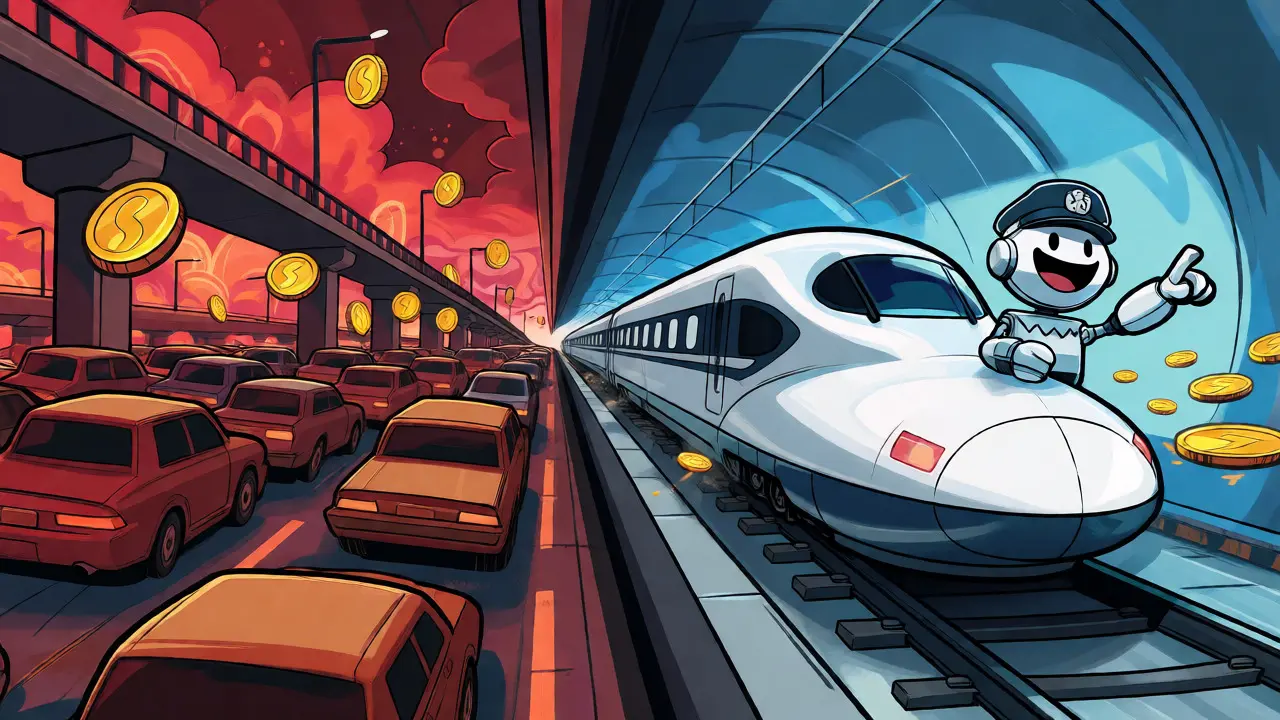
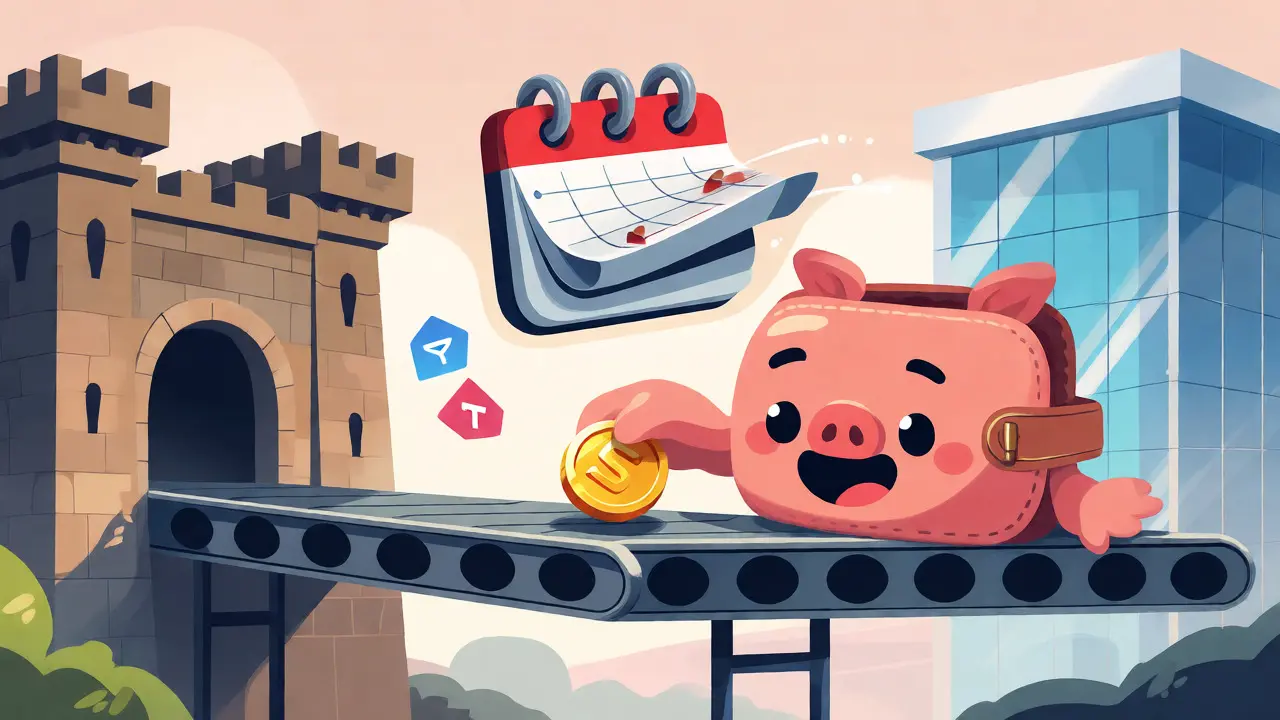
Transactions are blazing fast-often confirming in under two seconds-and gas fees are incredibly low, frequently hovering around $0.03 for a swap. This is a far cry from Ethereum mainnet congestion. But there’s a catch: getting money onto the chain. Because Soneium uses the standard Optimism bridge architecture, withdrawals back to Ethereum Mainnet come with a mandatory 7-day challenge period. This is a security feature, not a bug, but it’s a major friction point if you plan to move large amounts of capital quickly.
| Feature | Soneium Deployment | Ethereum Mainnet |
|---|---|---|
| Avg. Swap Fee | $0.01 - $0.05 | $5.00 - $50.00+ |
| Liquidity Depth | ~$12.7 Million | Billions |
| Active Pools | ~87 | 5,300+ |
| Withdrawal Time to ETH | 7 Days (Challenge Period) | Instant |
| Primary Use Case | Entertainment/NFT Liquidity | General DeFi/High Volume |
Liquidity and Token Availability
Here is where expectations need to be managed. You won’t find every obscure altcoin here. As of late 2024, Soneium hosts roughly 87 active pools compared to over 5,300 on Ethereum. The token selection is curated, focusing on major assets like ETH, USDC, DAI, and specific entertainment-related tokens tied to Sony’s partnerships.
Total liquidity sits around $12.7 million. While small compared to the billions on mainnet, it’s sufficient for retail-sized trades involving popular pairs. If you’re trying to swap $100k worth of a low-cap token, you might face significant slippage. During peak demand events, such as concert NFT drops, slippage has been reported to hit 3.2%. For most users swapping stablecoins into ETH or specific IP-based tokens, the depth is adequate.
The concentrated liquidity feature of Uniswap v3 shines here. Because overall liquidity is lower, capital efficiency is paramount. Liquidity providers can set narrow price ranges to maximize fee earnings. Experts recommend targeting 15-20% bands for volatile entertainment tokens to balance returns against impermanent loss.
Getting Started: Bridging and Wallet Setup
You can’t just click a button and start trading. You need to bridge assets first. Most users connect via MetaMask, Coinbase Wallet, or Trust Wallet. You’ll need to add the Soneium network manually using Chain ID 1946 and the RPC URL provided by the Soneium developer portal.
The bridging process uses the Superbridge interface, which simplifies moving ETH and ERC-20 tokens from Ethereum L1 to Soneium L2. Deposits are relatively quick, but remember the withdrawal rule: sending funds back to Ethereum takes seven days. Plan your capital accordingly. If you’re buying into a short-term hype cycle, ensure you don’t need that cash immediately after the event ends.
- Wallet Configuration: Add Soneium network details (Chain ID: 1946) to your wallet.
- Bridging Assets: Use the official Superbridge to move ETH or USDC from Mainnet to Soneium.
- Swap Execution: Connect to the Uniswap interface, select your pair, and execute. Confirmations are near-instant.
- Exit Strategy: Initiate withdrawals early if you plan to return to Ethereum within a week.
Pros and Cons for Different User Types
Is this platform right for you? It depends entirely on your goals. If you are a casual gamer or fan looking to buy digital collectibles, Soneium offers a seamless, low-cost entry point. The integration with Sony’s ecosystem means you’re likely trading tokens that have actual utility in games or media experiences, not just speculative value.
However, if you are a high-frequency trader or arbitrage bot operator, the limited pool count and lower liquidity make this less attractive than deploying on Base or Arbitrum. The lack of deep order books for minor tokens means you’re exposed to higher price impact. Additionally, the community support is still nascent. With only around 28 active participants in the dedicated Discord channel, troubleshooting complex issues might require more self-reliance than on established networks.
Security and Governance Considerations
Security is always a concern with new deployments. The Uniswap v3 contracts on Soneium underwent an audit, but some critics noted the rapid timeline, with full independent verification completed shortly after deployment. While the codebase is identical to the proven mainnet version, the operational security of the bridge itself relies on the OP Stack’s fraud-proof mechanisms.
Governance remains with the Uniswap DAO, meaning decisions about future upgrades or fee changes happen through community proposals. This decentralization protects you from unilateral changes by Sony, but it also means updates can be slow-moving bureaucratic processes rather than agile product iterations.
Is Uniswap v3 on Soneium safe to use?
Yes, it uses the same audited smart contract code as the mainnet version of Uniswap v3. Security risks are primarily associated with the bridge mechanism and user error during wallet configuration, rather than protocol vulnerabilities.
How long does it take to withdraw funds from Soneium to Ethereum?
Standard withdrawals via the canonical bridge take approximately 7 days due to the optimistic rollup challenge period. Third-party bridges may offer faster options but often charge higher fees.
What tokens can I trade on Uniswap v3 Soneium?
You can trade ERC-20 compatible tokens available on the Soneium network. Major pairs include ETH/USDC, ETH/DAI, and various entertainment-specific tokens linked to Sony’s IP portfolio. The number of active pools is currently limited compared to mainnet.
Are transaction fees cheaper on Soneium than Ethereum?
Significantly. Typical swap fees on Soneium range from $0.01 to $0.05, whereas Ethereum mainnet fees can vary wildly from $5 to over $50 depending on network congestion.
Do I need a special wallet for Soneium?
No, you can use standard wallets like MetaMask or Coinbase Wallet. You simply need to manually add the Soneium network parameters (Chain ID: 1946) to your wallet settings.