Global Frameworks for International Coordination on Crypto Regulation
Explore how international bodies like the FSB and regional partners are harmonizing crypto regulations to combat arbitrage and stabilize markets.
When you hear crypto regulation, the rules governments set to control how digital currencies are used, traded, and taxed. Also known as digital asset oversight, it’s not just about keeping things safe—it’s about control, power, and who gets to decide what’s allowed. In 2025, crypto regulation isn’t a single rulebook. It’s a patchwork of bans, licenses, seizures, and loopholes that vary wildly from one country to the next.
Take FinCEN, the U.S. financial watchdog that demands every crypto exchange register as a money service business and track every dollar moved. If you run a crypto platform in America, you need to prove you know who your users are, report suspicious activity, and pay for expensive compliance systems—or face fines that can shut you down. Meanwhile, Singapore’s MAS, the Monetary Authority of Singapore, has gone even further: they’ve stopped issuing new crypto licenses entirely and are cracking down on exchanges that don’t follow their strict Travel Rule. You can’t just set up shop there anymore. And in India? You can hold Bitcoin, but you can’t use it to pay for coffee. Crypto payments are outright banned, even as trading continues under heavy tax rules.
It’s not just about who can operate—it’s about what happens when you break the rules. Governments are seizing crypto at record levels. The U.S. alone has taken billions in Bitcoin and Ethereum from criminals, ransomware gangs, and sanctioned entities. They’re not just selling it off—they’re keeping it, using it as leverage, and turning crypto into a tool of state power. Meanwhile, countries like Iran quietly allow mining because it’s cheaper than fixing their broken power grid, even as citizens face daily blackouts. Regulation isn’t just paperwork. It’s survival.
Some of the most dangerous risks aren’t from governments—they’re from fake rules. Scammers pretend to be regulators, claiming you need to "verify your wallet" or pay a fee to "comply with FinCEN." There’s no such thing as a "MAS-approved airdrop" unless it’s real—and most aren’t. The posts below cut through the noise. You’ll find real breakdowns of who’s enforcing what, where the traps are, and how to stay legal without getting scammed. Whether you’re trading in Wyoming, avoiding taxes in India, or wondering why your wallet got frozen, this collection gives you the facts—no fluff, no hype, just what’s actually happening on the ground in 2025.
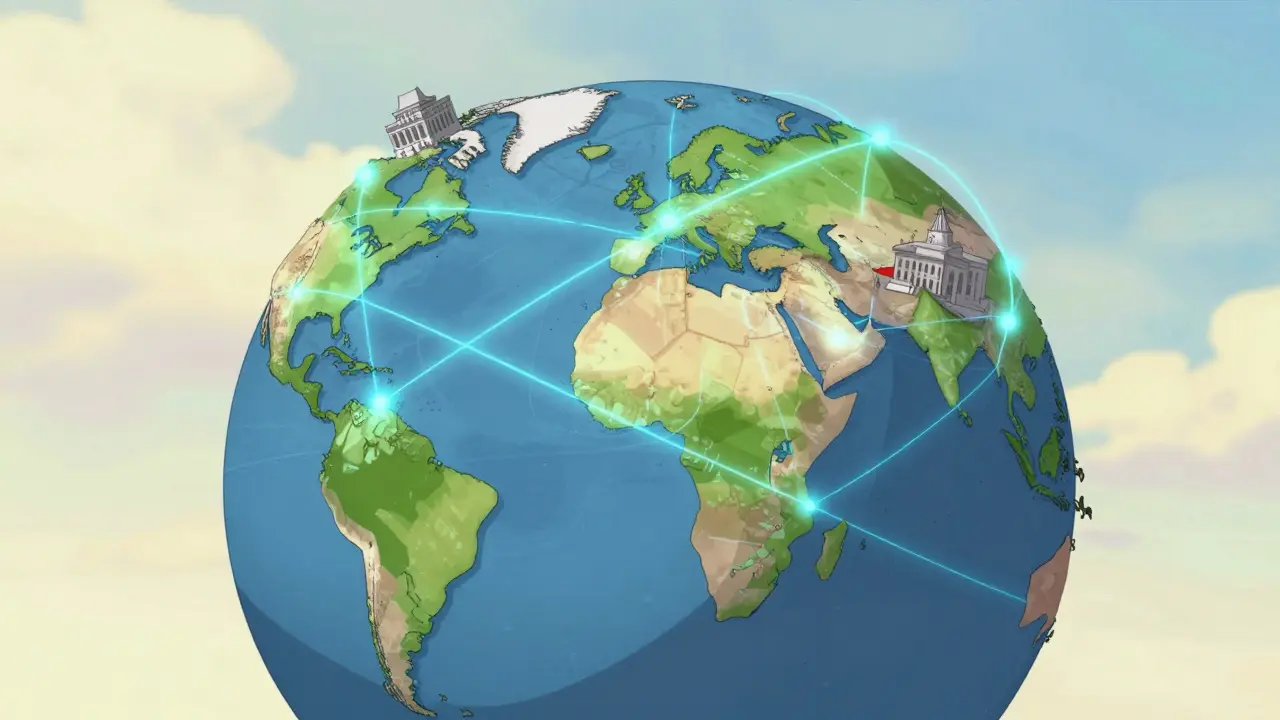
Explore how international bodies like the FSB and regional partners are harmonizing crypto regulations to combat arbitrage and stabilize markets.
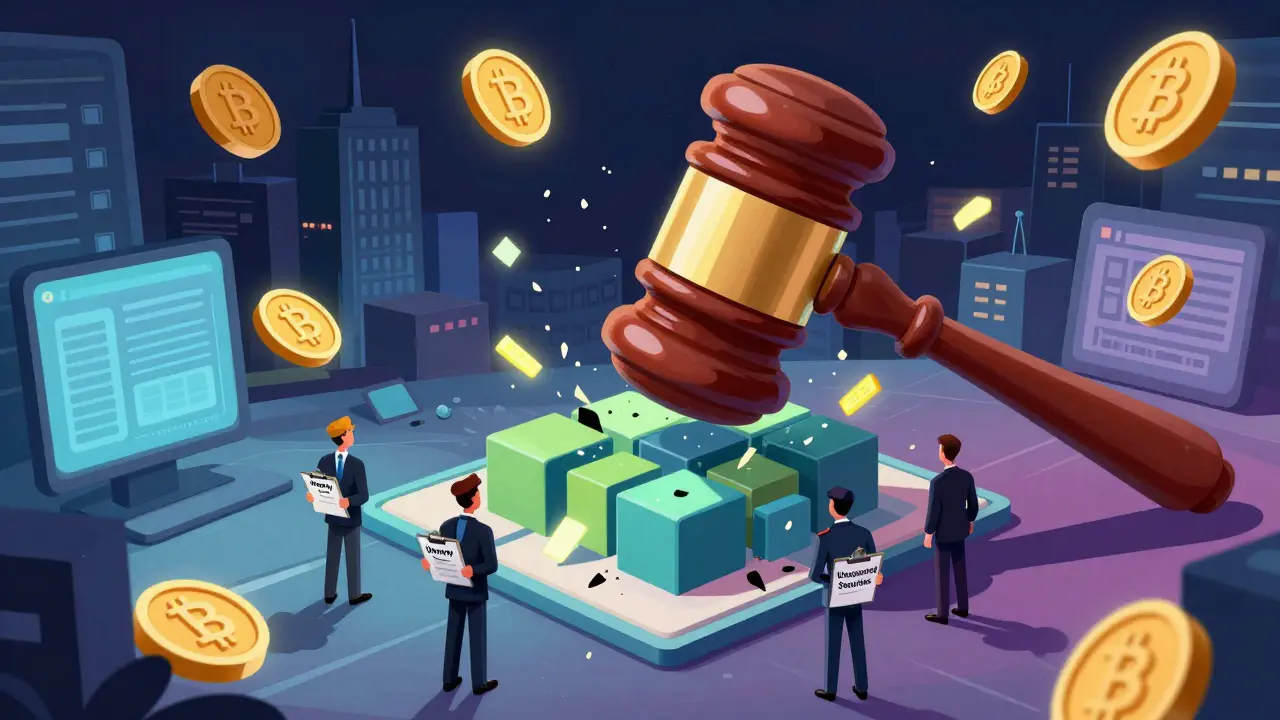
In 2024, the SEC hit crypto companies with record fines - a 3,018% jump driven by one $4.5 billion case. Here’s what really happened, who paid, and what it means for the future of crypto in the U.S.

Russia legalized crypto mining to bypass Western sanctions, using stablecoins like A7A5 to move billions in trade. But blockchain transparency and global sanctions are making it harder to hide.

Despite a complete government ban, Bangladesh ranks 35th globally in crypto adoption with 3.1 million users - mostly using stablecoins to send remittances. How is this possible?