
Imagine trying to cash out your Bitcoin earnings only to find your bank account frozen. That’s the reality for many Namibians navigating the current Namibia banking restrictions on crypto transactions. It’s not just a minor inconvenience; it’s a fundamental clash between traditional financial gatekeepers and digital asset users. If you’re holding crypto or planning to start, understanding the rules set by the Bank of Namibia (BON) is critical to keeping your money accessible.
The Shift from Ban to Regulation
Back in 2018, the stance was clear-cut: no support. The BON stated that cryptocurrency wasn’t legal tender and warned users they had "no recourse" if things went wrong. Fast forward to today, and the picture is more nuanced. While the central bank still doesn’t recognize crypto as legal tender, the government passed the Virtual Assets Act of 2023, which created a legal pathway for regulated businesses. This isn’t a free-for-all, though. It’s a tightly controlled environment where the state wants to watch every move before letting the doors fully open.
Why does this matter? Because the law changed, but the practical experience for individuals hasn’t fully caught up. You might see headlines about legalization, but your local branch manager might still be hesitant to process large transfers linked to unknown exchanges. The gap between legislative intent and banking execution is where most friction occurs.
Who Can Actually Trade Crypto?
You can’t just sign up for any global exchange and expect smooth sailing. The new framework requires all Virtual Asset Service Providers (VASPs) to register with the Namibia Financial Institutions Supervisory Authority (NAMFISA). If an exchange isn’t based in Namibia or properly licensed, it’s technically banned from operating domestically. This effectively shuts out giants like Binance or Coinbase unless they jump through significant regulatory hoops.
As of early 2025, only a handful of companies received provisional authorization. These include entities like Landifa Bitcoin Trade CC and Mindex Virtual Asset Exchange. But here’s the catch: during their six-month provisional period, these firms couldn’t even engage with customers. They were stuck in a regulatory sandbox, building infrastructure while waiting for full approval. For you, this means the list of legally compliant platforms remains short and highly scrutinized.
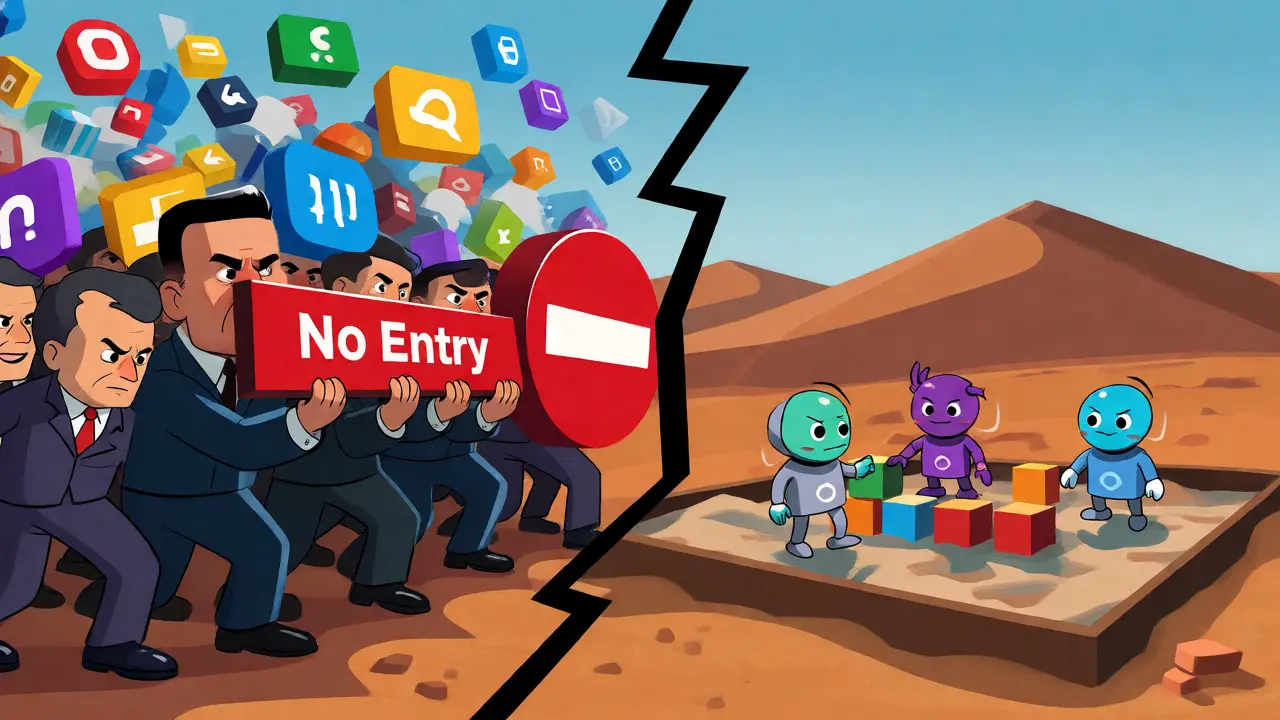
The Banking Bottleneck
Even if you use a licensed provider, banks remain cautious. There have been documented cases where accounts at major institutions like NedBank and Standard Bank faced restrictions due to crypto-related activity. Why? Because banks are risk-averse. They fear money laundering accusations more than they fear losing a customer who trades Bitcoin.
| Feature | Namibia Current Status | Global Trend |
|---|---|---|
| Legal Tender | No | Rarely Yes (El Salvador) |
| Trading Legality | Restricted/Regulated | Generally Legal |
| Exchange Licensing | Mandatory Local License | Varies by Country |
| Bank Support | Cautious/Restrictive | Increasingly Friendly |
This restrictive approach forces users to keep detailed records. Banks may ask for proof of source of funds. If you can’t show where your NAD came from, your transfer might get flagged. It’s not illegal to own crypto, but moving fiat currency in and out is where the scrutiny happens.
The Travel Rule and Compliance Burden
Namibia aligned its rules with international standards, specifically the Travel Rule. For transactions exceeding NAD 20,000 (roughly $1,000 USD), VASPs must collect and share sender and receiver details. This includes names, ID numbers, and account info.
Think of this as a digital passport check for your money. Every time you send a significant amount, your identity travels with the transaction. This transparency helps authorities track illicit flows but adds layers of bureaucracy for everyday users. Automated reporting systems now monitor these movements in real-time, meaning anonymity is largely gone for substantial sums.

Practical Steps for Users
If you’re active in the Namibian crypto scene, don’t assume everything is business as usual. Here’s how to navigate the landscape:
- Verify Your Provider: Check if your exchange is registered with NAMFISA. If they aren’t, you’re taking on extra risk regarding consumer protection.
- Keep Clean Records: Save every receipt, invoice, and contract related to your crypto purchases. If a bank queries a deposit, you need to explain it instantly.
- Avoid Large Unexplained Transfers: Sudden spikes in activity can trigger automatic reviews. Gradual movements are less likely to raise red flags.
- Monitor License Updates: The provisional licenses mentioned earlier are under review. Follow official BON announcements to see which providers get full operational status.
It’s also worth noting that while trading is heavily regulated, holding assets is generally tolerated. The main pain point is the off-ramp-converting digital coins back into Namibian Dollars for daily spending.
Future Outlook
Is Namibia becoming a crypto hub? Not yet. The current system is designed for control, not rapid adoption. The central bank’s reluctance to embrace blockchain broadly suggests they view it as a tool for finance, not a revolution. However, the existence of the Virtual Assets Act shows a willingness to adapt. As more providers complete their compliance checks, we might see smoother banking integrations.
For now, patience is key. The regulatory sandboxes are filling up, and the first batch of fully licensed exchanges could change the game. Until then, stay compliant, document everything, and keep an eye on the Bank of Namibia’s official channels.
Is cryptocurrency legal to own in Namibia?
Yes, owning cryptocurrency is not explicitly illegal. However, using it as legal tender for goods and services is not recognized by the Bank of Namibia. Trading activities are subject to strict regulations under the Virtual Assets Act of 2023.
Can I use international exchanges like Binance in Namibia?
The Virtual Assets Act bans crypto exchanges not based in Namibia from operating domestically without specific licensing. While you might access them online, using them for local fiat conversions can lead to banking complications because they lack local regulatory oversight.
What is the Travel Rule in Namibia?
The Travel Rule requires Virtual Asset Service Providers to collect and share sender and receiver information for transactions exceeding NAD 20,000. This ensures transparency and helps prevent money laundering by tracking the flow of funds.
Will my bank freeze my account for crypto transactions?
There is a risk. Some users have reported account restrictions when banks detect frequent crypto-related transfers. Keeping clear records of the source of funds and using locally licensed providers can reduce this risk.
How long does it take to get a crypto license in Namibia?
Providers receive a six-month provisional authorization period to set up infrastructure and meet compliance standards. Full approval follows after this period, provided they pass rigorous due diligence checks by the Bank of Namibia.