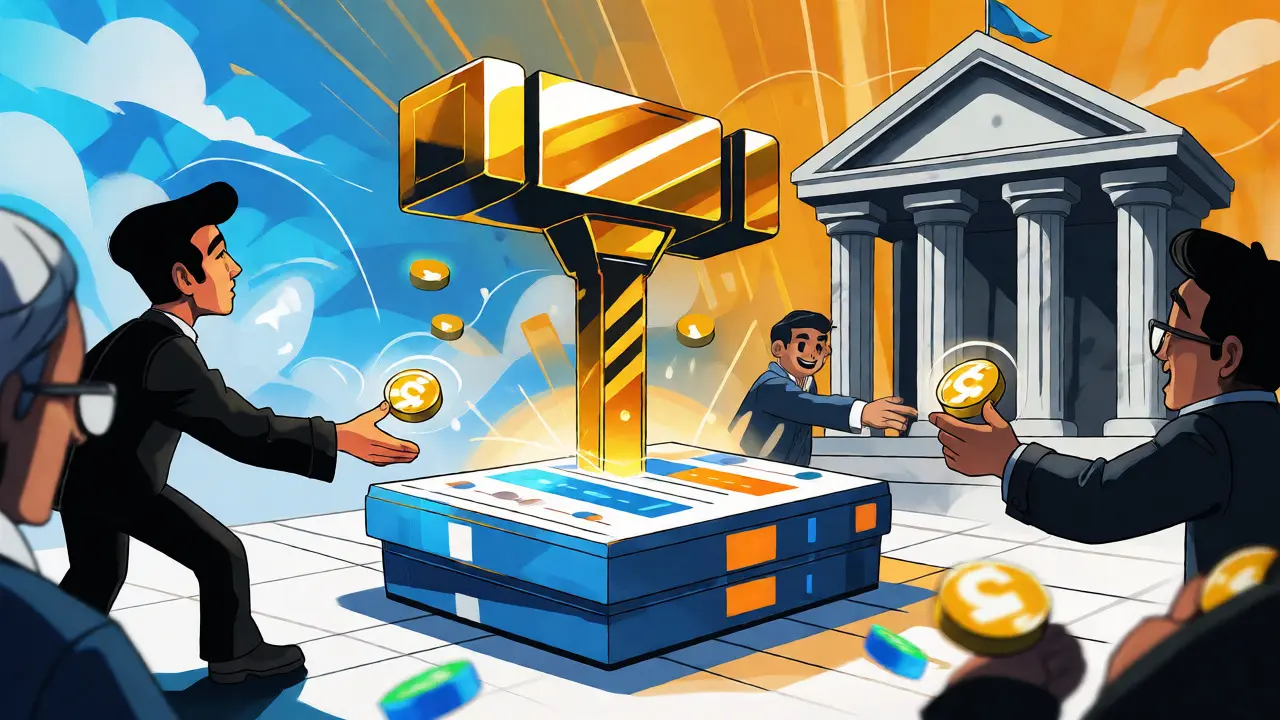
Ever tried to cash out your network marketing commissions only to wait weeks for a bank transfer? That friction is exactly what KingMoney aims to fix. But if you are here because you heard rumors about a "WKIM Mjolnir" airdrop, we need to clear the air immediately. As of September 2026, there is no official record of a specific "Mjolnir" branded airdrop or a separate "WKIM" token variant launched by the core KingMoney team. Most likely, you are looking at community speculation, a third-party wrapper project, or a misunderstanding of the existing KIM distribution model.
This article breaks down what KingMoney actually is, how its unique mining and supply mechanics work, and why the data around it can be so confusing. We will also look at how you might actually get your hands on KIM tokens, given its limited exchange presence. If you are an MLM distributor or a crypto enthusiast hunting for niche altcoins, understanding the reality behind the hype is crucial before you invest time or money.
The Core Identity: What Is KingMoney?
KingMoney (KIM) is a Bitcoin-based digital currency designed specifically for the network marketing industry. Launched officially on August 1, 2019, it isn't just another copy-paste fork. The developers modified the Bitcoin codebase to optimize value transfers for multi-level marketing (MLM) structures. Think of it as a specialized tool rather than a general-purpose hammer like Bitcoin or Ethereum.
The goal is simple: decentralize commission payments. In traditional MLMs, you pay fees to the company, which then pays you. With KingMoney, the blockchain handles the transaction directly between distributors and consumers, theoretically cutting out middlemen and speeding up payouts. The project claims to offer faster settlement times than standard banking rails, leveraging a modified consensus mechanism that recalculates processing power every three days.
Technical Specs: How It Differs from Bitcoin
If you know Bitcoin, you know the basics. But KingMoney tweaks several key parameters to suit its high-frequency use case in sales networks. Here is a quick breakdown of the technical attributes that define the KIM protocol:
- Block Time: Approximately 2 to 3 minutes per block, significantly faster than Bitcoin's 10-minute average. This allows for quicker confirmation of sales transactions.
- Halving Schedule: Production reduction occurs every 175,000 blocks. Given the block time, this equates to roughly one year. This is much more aggressive than Bitcoin's four-year cycle.
- Reward Structure: The initial bonus rate was set at 3,250 units per block for the first year. Afterward, it drops sharply to 70 units, decreasing by 0.05% annually over a 40-year period until bonuses hit zero.
- Supply Cap: The maximum supply is capped at 747.44 million KIM tokens. Current circulating supply estimates vary wildly due to low liquidity, but self-reported figures often hover around 205,000 KIM.
These specs create a deflationary pressure that kicks in relatively quickly compared to other cryptocurrencies. However, the rapid halving schedule means early miners captured a disproportionate amount of the total supply, which impacts current market dynamics.
The Mystery of "WKIM" and "Mjolnir"
Let's address the elephant in the room. Why are people searching for "WKIM Mjolnir"? Since the official KingMoney documentation and whitepaper do not mention a "Mjolnir" campaign or a "WKIM" ticker, we have to look at potential explanations:
- Wrapped Tokens: In DeFi ecosystems, assets are often "wrapped" to function on different chains. "WKIM" could refer to a wrapped version of KingMoney on a compatible chain, though KingMoney operates on its own mainnet. If a bridge exists, it might use this naming convention.
- Community Projects: Niche coins often spawn unofficial forks or community-driven initiatives with thematic names like "Mjolnir" (Thor's hammer). These may distribute free tokens to holders of the original asset.
- Data Errors: Crypto tracking sites frequently suffer from data inconsistencies. A mislabeled token or a duplicate entry could have spawned the "WKIM" search term.
Until the KingMoney team releases a press release confirming a partnership or new token launch, treat any "Mjolnir" airdrop claim with skepticism. Always verify announcements through their official Telegram channel (@kingmoney_currency) or Twitter handle (@ABkingmoney).
Market Reality: Liquidity and Price Volatility
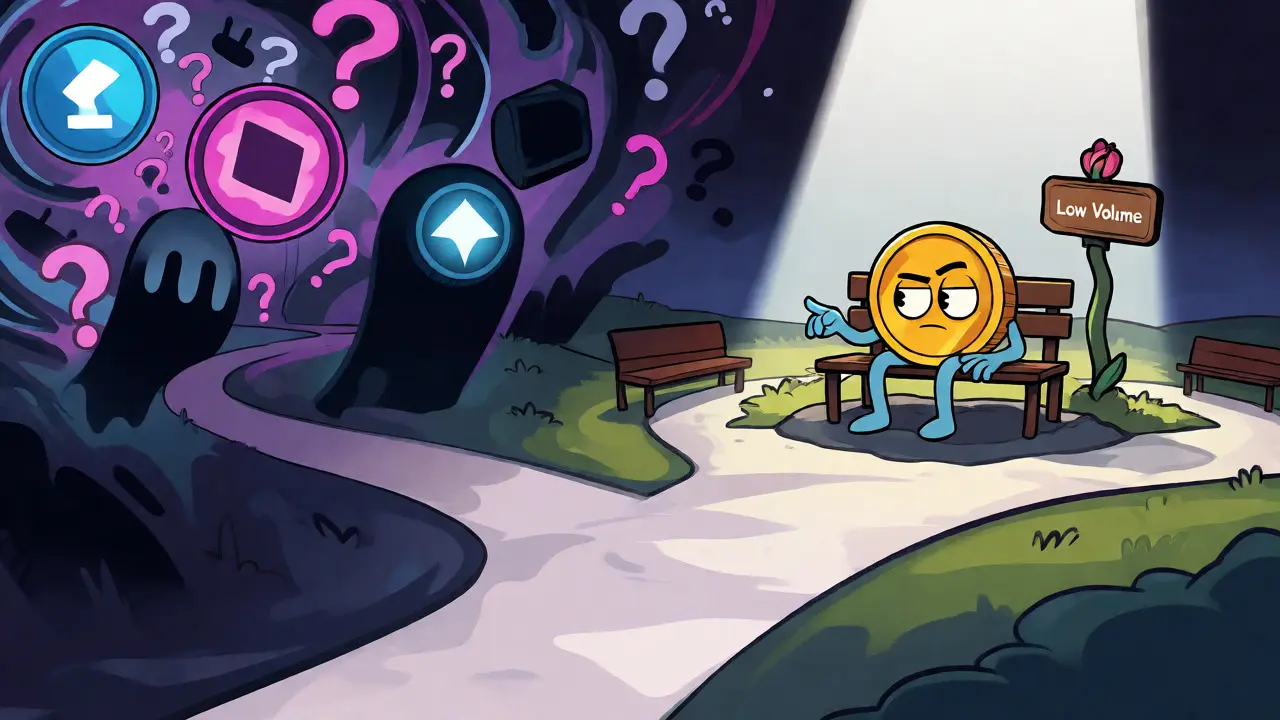
Here is where things get tricky for investors. KingMoney suffers from severe liquidity issues. Because it is primarily mined privately and not listed on major exchanges like Binance or Coinbase, price discovery is fragmented. You might see vastly different prices depending on where you look.
| Platform | Reported Price (USD) | Market Cap | 24h Volume | Status |
|---|---|---|---|---|
| CryptoSlate | $1,377.12 | $733.19K | $29.55K | High Valuation / Low Volume |
| Crypto.com | $12.25 | N/A | N/A | Listing Discrepancy |
| CoinCarp | Varies | Inconsistent | Low | Aggregator Lag |
A spread of over $1,300 between reported prices is a massive red flag. It indicates that very few trades are happening. If you buy at the higher price point, you might find no buyers when you try to sell. This illiquidity makes KingMoney a risky asset for short-term traders but potentially interesting for long-term believers in the MLM blockchain thesis.
Mining and Acquisition Strategies
You cannot simply click "Buy" on a major exchange. KingMoney is currently mined privately. This means the supply is controlled by a small group of entities or dedicated miners who run the node software. For the average user, acquiring KIM involves:
- Peer-to-Peer Trading: Connecting directly with miners or holders via community forums or Telegram groups.
- Specialized Platforms: Checking niche crypto exchanges that support smaller-cap altcoins. Note that these platforms often have higher withdrawal fees.
- Network Marketing Partnerships: Some MLM companies that accept KingMoney might offer promotional tokens or rewards in KIM, effectively acting as a micro-airdrop.
If you are interested in mining, ensure you have the correct wallet software compatible with the KingMoney algorithm. The network's resistance to 51% attacks is a claimed feature, but with low hash rates, security remains a concern for large-scale adoption.

Is the Network Marketing Angle Viable?
Blockchain technology promises transparency in MLMs, where compensation plans are often opaque. KingMoney attempts to solve this by recording every sale and commission split on-chain. Imagine checking a public ledger to see exactly how much commission you earned from a downline sale, without waiting for a corporate statement.
However, adoption is slow. Major MLM giants still rely on traditional fiat currencies and centralized databases. KingMoney's success depends on whether enough distributors start using it for actual goods and services, rather than just holding it as a speculative asset. Currently, the utility seems limited to a small ecosystem of partners.
Next Steps for Investors and Enthusiasts
If you are chasing the "Mjolnir" airdrop, stop and verify. Check the last six months of activity on the official KingMoney social channels. If there is no mention, it is likely a rumor. For those interested in the coin itself:
- Diversify Carefully: Do not put significant capital into KIM due to liquidity risks.
- Join the Community: Active participation in their Telegram group can provide real-time updates on mining status and potential partnerships.
- Monitor Exchange Listings: Keep an eye on CoinGecko or CoinMarketCap for any new listing announcements that could improve liquidity.
KingMoney represents a fascinating experiment in niche blockchain application. While the "Mjolnir" hype may be misplaced, the underlying project offers a unique perspective on how cryptocurrency could streamline direct sales. Just remember: in crypto, especially with low-cap coins, verification is your best defense against disappointment.
What is the difference between KIM and WKIM?
Currently, there is no official distinction recognized by the core KingMoney development team. "KIM" is the primary ticker for KingMoney. "WKIM" likely refers to a community-created wrapper token, a typo, or a speculative derivative not backed by the main protocol. Always check the contract address to ensure you are interacting with the correct asset.
Can I buy KingMoney on Binance or Coinbase?
No, KingMoney is not listed on major tier-1 exchanges like Binance or Coinbase. Due to low trading volume and niche focus, it is primarily traded through peer-to-peer methods, specialized altcoin exchanges, or within the network marketing partner ecosystem.
Why are KingMoney prices so inconsistent across websites?
Inconsistent pricing is a hallmark of low-liquidity assets. Different tracking platforms aggregate data from various small exchanges. If a single trade occurs on a minor platform at a high price, some aggregators may display that as the global price, while others show lower averages. This results in significant discrepancies.
How does KingMoney differ from Bitcoin?
While KingMoney is based on Bitcoin's code, it has a much faster block time (2-3 minutes vs. 10 minutes), a more aggressive halving schedule (annual vs. quadrennial), and a specific design focus on facilitating fast, low-cost transactions for network marketing commissions rather than being a store of value.
Is there a confirmed Mjolnir airdrop for KingMoney holders?
As of September 2026, there is no official announcement from the KingMoney team regarding a "Mjolnir" airdrop. Users should be cautious of scams claiming otherwise and verify all news through official channels like the KingMoney Telegram or Twitter accounts.