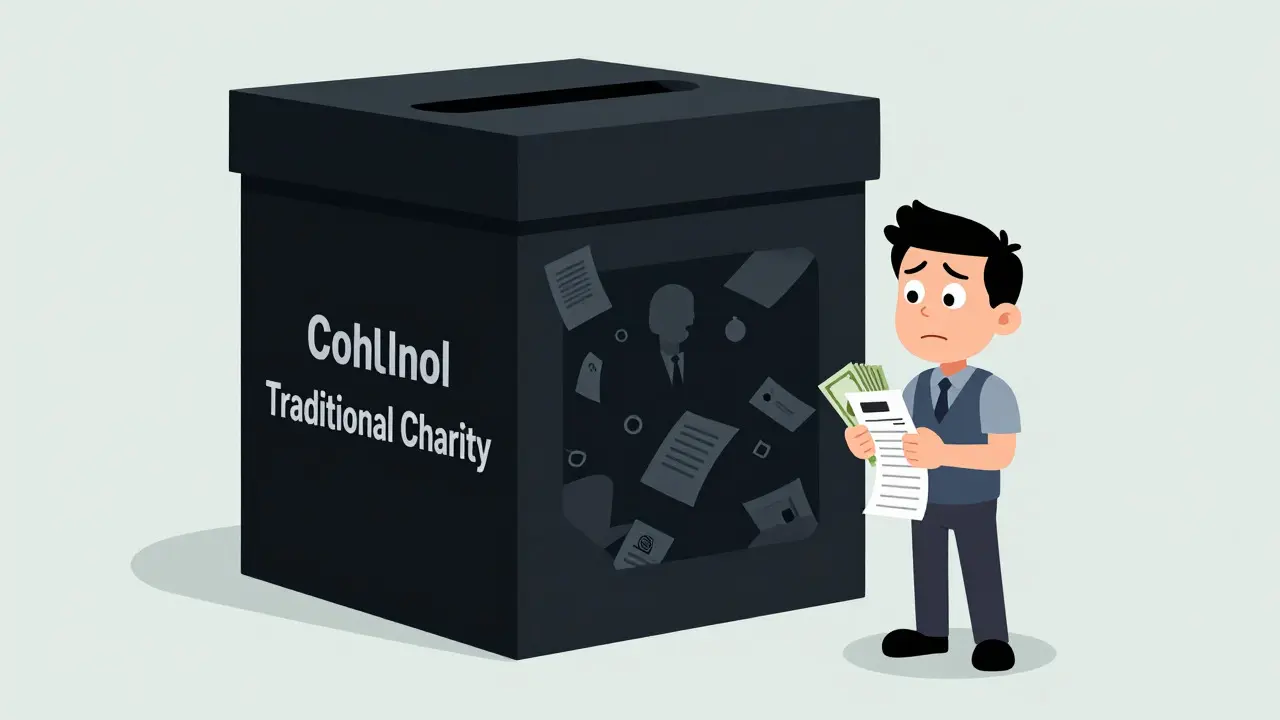
Have you ever donated to a cause and wondered exactly where your money went? You send the funds, get a receipt, and then... silence. Months later, maybe you see a vague annual report. It’s frustrating, right? For decades, this opacity has been the norm in philanthropy. But Blockchain is a decentralized digital ledger technology that records transactions securely and transparently, changing the game entirely.
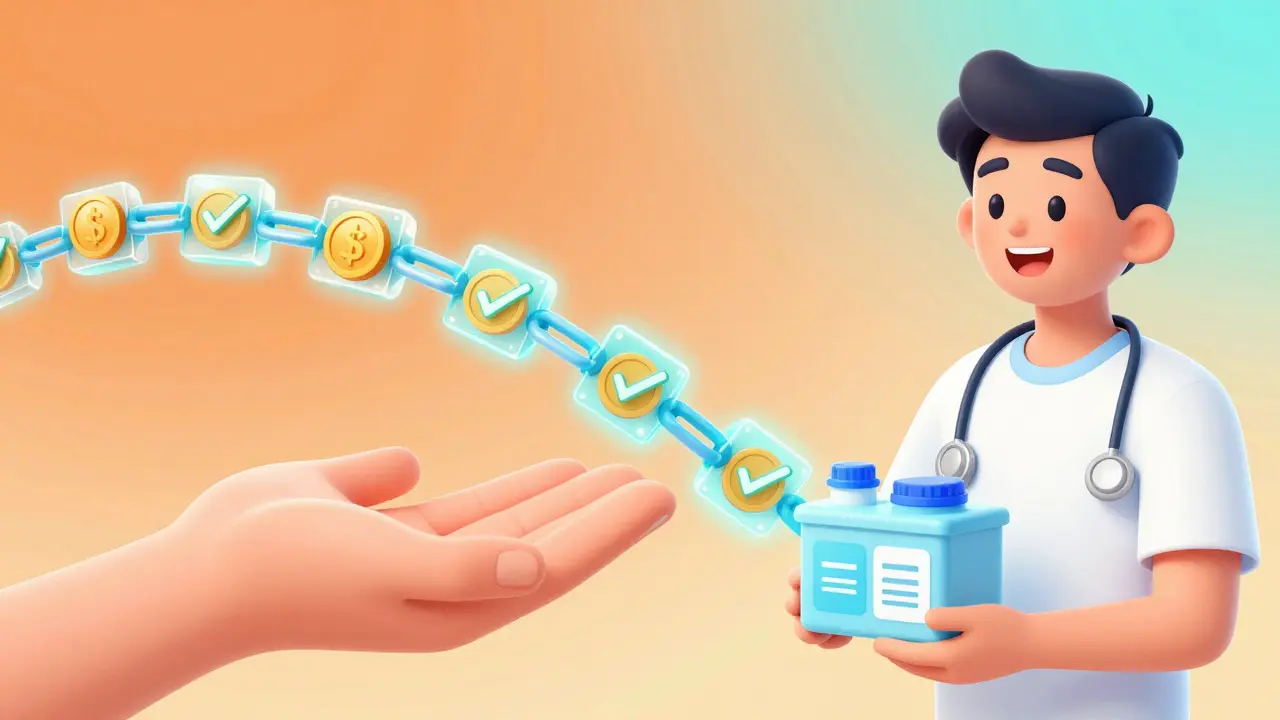
Imagine watching your donation travel from your wallet, through the nonprofit’s accounts, and straight into the hands of the people or projects you wanted to help. No hidden fees, no lost paperwork, just clear, unchangeable proof of impact. This isn’t science fiction anymore. It’s happening now, and it’s solving one of the biggest trust issues in the charity sector.
The Problem with Traditional Donation Tracking
Let’s be honest: traditional charity systems are broken when it comes to transparency. When you give cash or use a credit card, the money enters a black box. Nonprofits have to rely on manual accounting, which is slow and prone to human error. By the time they publish their annual reports, the data is months old. Donors are left guessing if their contribution actually helped.
There’s also the issue of intermediaries. Banks, payment processors, and administrative staff all take cuts or add delays. In crisis situations, like natural disasters, these delays can be critical. Money gets stuck in bureaucracy while urgent needs go unmet. According to academic research published in PMC (PubMed Central), traditional systems often struggle to provide real-time verification during emergencies, leading to donor fatigue and skepticism.
Then there’s the fraud risk. Without a public record, it’s hard to prove that funds weren’t diverted or mismanaged. Donors want accountability, but getting it usually requires digging through dense financial statements. It’s not user-friendly, and it doesn’t build trust.
How Blockchain Solves the Trust Gap
Blockchain technology works by creating an immutable chain of blocks, each containing a list of transactions that are cryptographically linked. Once a transaction is recorded, it cannot be altered or deleted. This creates a permanent, public history of every penny spent.
For charities, this means total visibility. Every movement of funds is timestamped and visible to anyone who wants to check. If a nonprofit claims $10,000 was used to buy medical supplies, the blockchain shows exactly when the payment was made, to whom, and for what amount. There’s no room for ambiguity.
This system eliminates the need for blind faith. Instead of trusting a PDF report, donors can verify the truth themselves. It shifts the power dynamic, putting control back in the hands of the giver. The result? Higher confidence levels and potentially more frequent donations because people know their money is doing good.
The Role of Smart Contracts in Automation
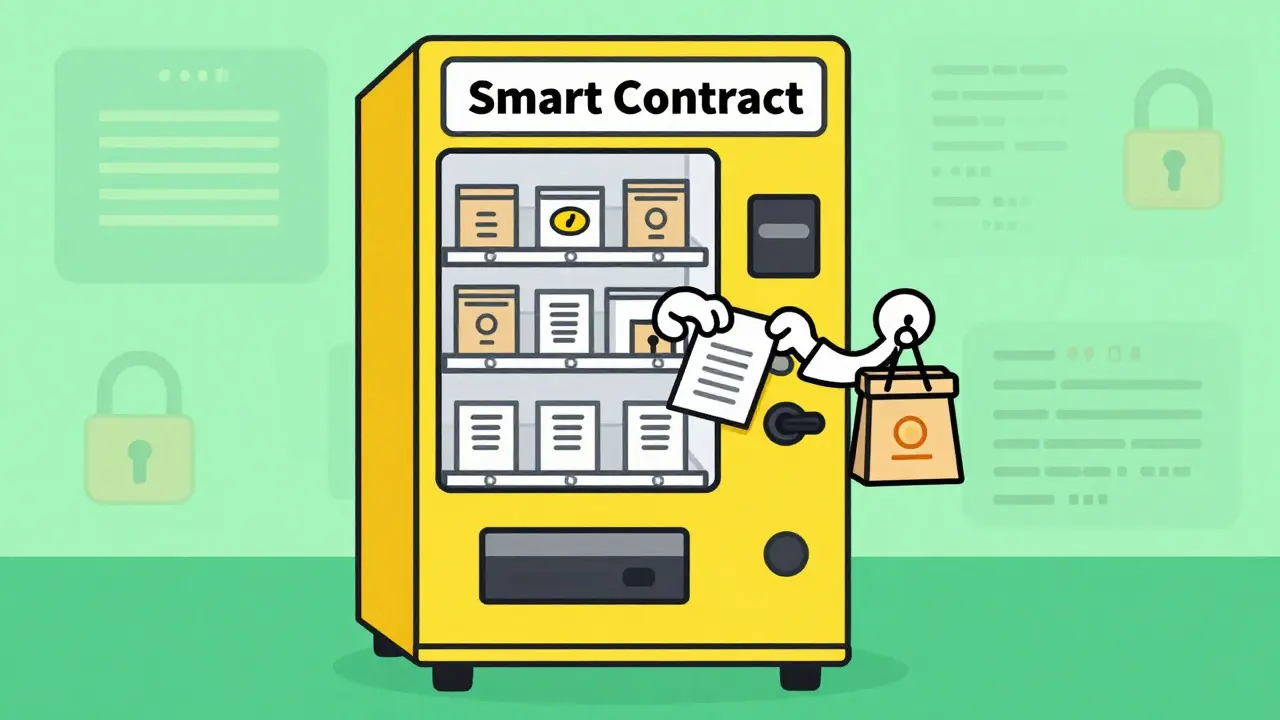
Here’s where it gets really interesting. Smart contracts are self-executing contracts with the terms of the agreement directly written into code. They act as the automation engine behind blockchain charity platforms.
Think of a smart contract as a vending machine. You put in money, select an item, and the machine releases it automatically. No cashier needed. In charity, smart contracts can release funds only when specific conditions are met. For example, a contract might hold funds until a nonprofit uploads proof of purchase for school books. Once the document is verified against the blockchain, the money is released to the supplier.
This reduces administrative overhead significantly. Nonprofits spend less time on paperwork and more time on actual aid. It also prevents misuse. If the milestone isn’t reached, the funds stay locked. Platforms like Charity Wall use this logic to ensure documents match transactions, making it nearly impossible to submit false invoices.
Real-World Examples: LUXARITY and Firefly Giving
Let’s look at how this works in practice. One standout case is LUXARITY, a fashion brand using blockchain to track donations from pre-owned luxury goods sales. Here’s how their process flows:
- Consumers buy pre-owned luxury items.
- They receive a unique PIN number linked to their purchase.
- Using a blockchain app, they choose which cause receives the proceeds.
- The smart contract records this choice permanently.
- Funds are transferred to the selected nonprofit.
- Donors get a detailed report showing exactly how much went where.
This end-to-end traceability builds immense trust. Customers aren’t just buying clothes; they’re participating in a verified charitable act. ConsenSys Social Impact built this infrastructure, demonstrating that enterprise-level solutions are viable and effective.
Another player is Firefly Giving, a platform offering zero-fee donations with sophisticated nonprofit screening tools. They focus on helping donors find reputable organizations by analyzing financial metrics and impact data on-chain. This helps users avoid scams and support high-performing charities.
Comparison: Blockchain vs. Traditional Systems
| Feature | Traditional System | Blockchain System |
|---|---|---|
| Transparency | Delayed, opaque reports | Real-time, public ledger |
| Transaction Fees | High (banks, processors) | Low or zero (depending on network) |
| Verification | Manual audits required | Instant cryptographic proof |
| Speed | Days to weeks for settlement | Minutes or seconds |
| Trust Model | Based on reputation | Based on code and data |
As you can see, the advantages are clear. Blockchain removes the friction and uncertainty that plague traditional giving. It’s faster, cheaper, and infinitely more trustworthy.
Challenges and Barriers to Adoption
It’s not all perfect, though. There are hurdles. The biggest one is technical complexity. Using a digital wallet like MetaMask is a browser extension that allows users to interact with decentralized applications sounds easy, but for older donors or those unfamiliar with crypto, it’s a steep learning curve. Managing private keys and understanding gas fees can be intimidating.
Scalability is another concern. During major crises, networks can get congested, leading to slower transactions and higher fees. While Layer 2 solutions are improving this, it remains a challenge for large-scale operations.
Regulatory clarity is still evolving. Tax authorities like the IRS are adapting, but rules around crypto donations vary by region. Financial advisors recommend consulting experts to ensure tax deductions are properly documented, although blockchain’s immutable records make this easier than before.
Getting Started with Blockchain Donations
If you want to try this out, here’s a simple path:
- Choose a Platform: Look for established platforms like Firefly Giving or specialized initiatives like LUXARITY. Avoid unknown sites to reduce scam risks.
- Set Up a Wallet: Download a reputable wallet like MetaMask. Secure your seed phrase offline-this is crucial.
- Fund Your Wallet: Buy cryptocurrency or transfer existing assets. Start small to learn the process.
- Select a Cause: Browse the platform’s vetted nonprofits. Check their on-chain performance metrics.
- Make the Donation: Follow the prompts. Confirm the transaction details carefully.
- Track Impact: Use the platform’s dashboard to monitor fund usage. Share updates with friends to spread awareness.
Expect a 2-4 week learning period to feel comfortable. Join community forums or read guides to speed up the process. Support varies by platform, so choose ones with good documentation.
The Future of Transparent Philanthropy
We’re just scratching the surface. Experts predict mainstream adoption within 5-10 years as digital literacy rises and interfaces become smoother. We’ll likely see AI-powered impact measurement tools integrated with blockchain, providing even deeper insights into how funds change lives.
Standardization will improve interoperability between different platforms. Regulatory frameworks will clarify tax benefits, encouraging more institutional donors to jump in. The goal is a world where every dollar donated is accounted for, instantly and irrefutably.
Until then, early adopters have the chance to shape this future. By choosing blockchain-enabled giving, you’re not just donating; you’re voting for a more transparent, efficient, and trustworthy charitable ecosystem.
Is blockchain donation tracking secure?
Yes, blockchain uses advanced cryptography to secure transactions. Once recorded, data cannot be altered without consensus from the network, making it highly resistant to fraud and tampering.
Do I need to understand crypto to donate via blockchain?
Not necessarily. Many platforms simplify the process, allowing you to donate with minimal technical knowledge. However, basic familiarity with digital wallets helps manage your assets safely.
Are there fees for blockchain donations?
Fees vary by network. Some platforms offer zero-fee options, while others charge small network fees (gas). These are typically lower than traditional banking or credit card processing fees.
Can I get a tax deduction for blockchain donations?
In many jurisdictions, yes. Blockchain provides immutable records that satisfy IRS requirements for charitable deductions. Keep your transaction hashes and platform receipts for tax filing.
What happens if a nonprofit misuses funds on the blockchain?
Misuse becomes immediately visible on the public ledger. Smart contracts can halt further payments if milestones aren’t met. Donors can stop funding underperforming organizations based on real-time data.
Is blockchain donation tracking environmentally friendly?
It depends on the blockchain. Proof-of-Stake networks like Ethereum 2.0 are energy-efficient. Older Proof-of-Work chains consume more power. Choose platforms using eco-friendly consensus mechanisms.
How long does it take to set up a blockchain donation account?
Basic setup takes minutes: download a wallet, create an account, and fund it. Full proficiency may take a few weeks as you learn navigation and security best practices.
Can I track non-monetary donations on blockchain?
Yes. Platforms like LUXARITY track goods donations, tracing them from purchase to final utilization. This includes verifying delivery and receipt by nonprofits.