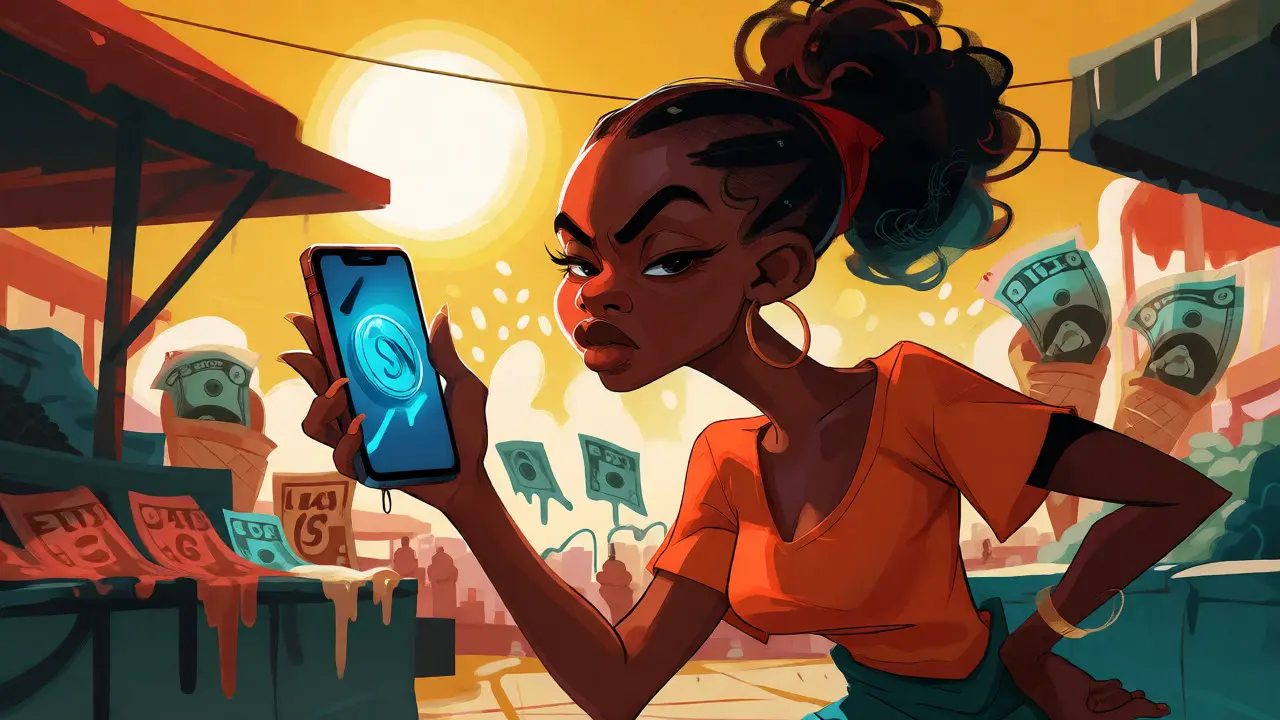
Imagine waking up to find your savings lost half their value overnight. For millions of Nigerians, this isn't a hypothetical nightmare; it's a recent reality. With inflation hitting over 24% in 2023 and the naira losing more than three-quarters of its value against the US dollar since 2016, traditional banking hasn't been enough to protect wealth. This economic pressure has fueled a massive shift. Nigeria now ranks second globally in cryptocurrency adoption, trailing only India. But why is West Africa’s largest economy so deeply invested in digital assets? It’s not just hype-it’s survival.
The Economic Drivers Behind Mass Adoption
You might think people buy crypto to get rich quick. In Nigeria, many use it just to stay afloat. The country faces chronic macroeconomic instability. When local currency devalues rapidly, holding cash feels like watching ice melt under the sun. Cryptocurrencies, particularly stablecoins pegged to the US dollar, offer a lifeline. They allow users to preserve purchasing power without needing a foreign bank account, which is often inaccessible or expensive to maintain.
Another huge factor is financial exclusion. About 36% of Nigerian adults remain unbanked. Traditional banks require documentation, minimum balances, and physical branches that aren't always available in rural areas. Crypto wallets, by contrast, need nothing more than a smartphone and internet access. This low barrier to entry has opened the door for tens of millions who were previously shut out of the formal financial system.
Remittance costs also play a critical role. Sending money home through traditional channels like Western Union can cost up to 8% per transaction. For freelancers earning in dollars or families supporting relatives abroad, these fees add up quickly. Peer-to-peer (P2P) platforms allow direct transfers with significantly lower fees, making crypto an attractive alternative for cross-border payments.
From Ban to Boom: Regulatory Shifts
Nigeria’s relationship with crypto hasn’t always been smooth. In 2021, the Central Bank of Nigeria (CBN) banned banks from servicing crypto businesses. This forced traders underground, relying on P2P markets where they could bypass the banking system entirely. While this stifled institutional growth, it didn't kill demand. Instead, it created a resilient, grassroots ecosystem driven by necessity.
Things changed in late 2023 when the CBN lifted the ban. Licensed exchanges could once again open corporate accounts. This regulatory clarity boosted investor confidence and paved the way for institutional-grade infrastructure. By 2025, we saw significant developments, such as the partnership between the Nigeria Inter-Bank Settlement System (NIBSS) and Zone’s blockchain network. This move aims to modernize interbank settlements, reducing fraud and increasing transparency. It signals a maturing market where traditional finance and decentralized technology are learning to coexist.
| Metric | Value | Context |
|---|---|---|
| Global Adoption Rank | 2nd | Trails only India |
| Total Transactions (Jul 2023 - Jun 2024) | $59 Billion | High volume indicates active usage |
| Crypto Holders | 22 Million | Approx. 10.3% of population |
| Inflation Rate (2023 Peak) | >24% | Primary driver for hedging |
| Unbanked Adults | 36% | Major demographic for fintech inclusion |
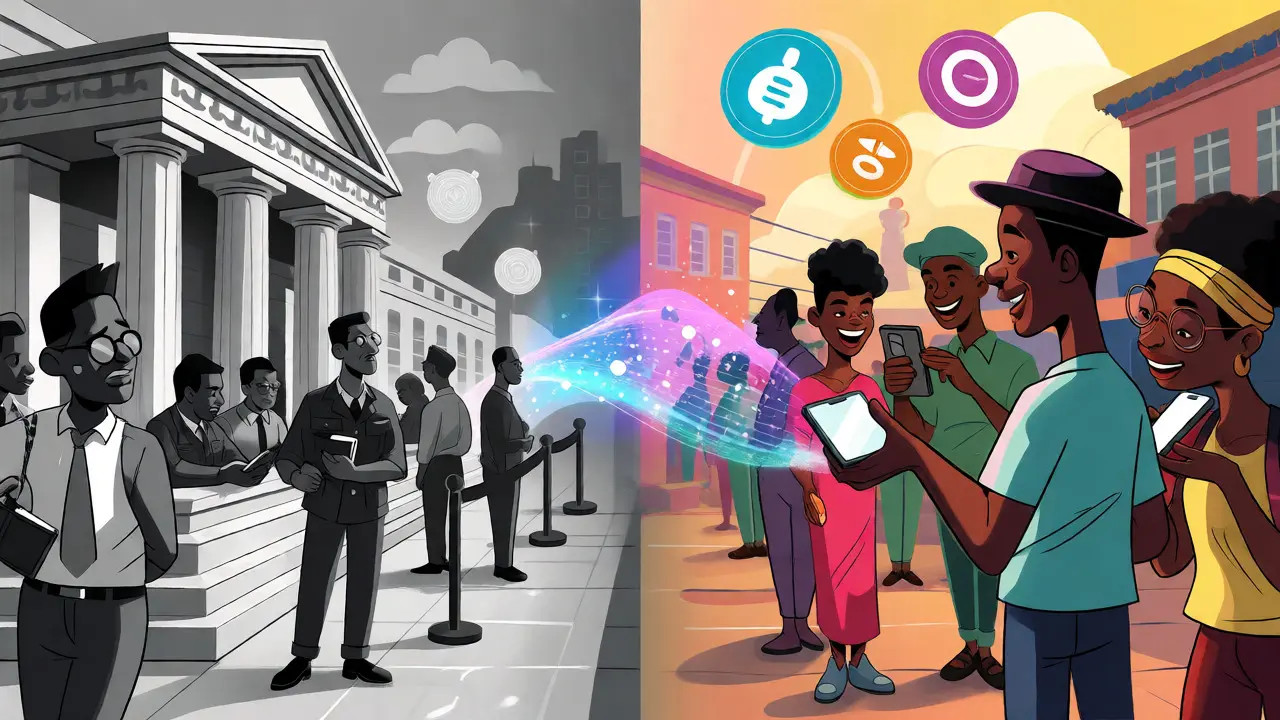
How Nigerians Actually Use Crypto
Unlike markets in North America or Europe, where institutional investors dominate, Nigeria’s crypto activity is heavily retail-focused. Over 8% of all value transferred in Sub-Saharan Africa consists of transactions under $10,000. This highlights how everyday people, not just whales, are driving the market.
The most common use case is arbitrage and hedging. Users buy USDT (Tether) or other stablecoins when the naira weakens, then sell them back when the rate stabilizes or rises. Freelancers working for international clients prefer receiving payments in stablecoins. It’s faster than waiting days for a wire transfer, and they avoid the hefty intermediary fees. Some even use crypto for small-scale business operations, paying suppliers directly via blockchain to ensure speed and transparency.
Peer-to-peer trading remains king. Platforms like Binance P2P allow users to trade directly with each other. You send naira via bank transfer to another user, and they release their crypto to your wallet. This method bypasses the need for instant settlement features that some local exchanges lack, though regulated exchanges are gaining ground due to improved security and compliance.
Challenges and Risks
It’s not all smooth sailing. Volatility is a double-edged sword. While Bitcoin and Ethereum can surge, they can also crash, wiping out gains quickly. Stablecoins mitigate this, but they carry their own risks, such as regulatory scrutiny on their issuers. Security is another concern. New users often struggle with private key management. Lose your seed phrase, and your funds are gone forever. Unlike a bank, there’s no customer service number to call if you forget your password.
Exchange downtime during high-volatility periods frustrates many users. When everyone tries to buy or sell at once, platforms can slow down or freeze, leading to missed opportunities or panic selling. Additionally, while regulations have improved, uncertainty lingers. Policies can change with new administrations, creating anxiety among long-term holders.

The Future of Crypto in Nigeria
Looking ahead, Nigeria’s position seems secure. The fundamental drivers-inflation, currency instability, and limited banking access-aren’t going away anytime soon. Fintech innovation continues to thrive, with companies like Moniepoint reaching unicorn status, signaling strong investor belief in the sector. The integration of blockchain into traditional systems, like NIBSS’s recent moves, suggests deeper institutional acceptance.
We may also see increased interest in Decentralized Finance (DeFi). Currently, most Nigerians stick to basic trading and storage. As technical literacy grows, more will explore lending, borrowing, and yield farming. Local language support on major platforms, including Pidgin English resources, lowers the entry barrier further. If current trends hold, Nigeria won’t just be a top adopter; it will become a global hub for crypto innovation in emerging markets.
Frequently Asked Questions
Is cryptocurrency legal in Nigeria?
Yes, owning and trading cryptocurrency is legal. However, until late 2023, banks were prohibited from facilitating crypto transactions. The Central Bank of Nigeria lifted this ban, allowing licensed exchanges to operate with bank accounts, which has legitimized the industry further.
Why do Nigerians prefer P2P trading?
P2P trading allows users to bypass potential banking restrictions and delays. It offers competitive rates based on supply and demand, often better than fixed exchange rates. It also provides liquidity during times when central banks limit foreign exchange availability.
Which cryptocurrencies are most popular in Nigeria?
Stablecoins like USDT (Tether) and USDC are extremely popular for hedging against inflation. Bitcoin and Ethereum remain top choices for investment and long-term holding due to their brand recognition and liquidity.
Can I pay bills with crypto in Nigeria?
Direct bill payment with crypto is still limited. Most users convert crypto to naira via exchanges or P2P platforms before paying merchants. However, some fintech apps are beginning to integrate crypto payment gateways for specific services.
What are the main risks for Nigerian crypto users?
Key risks include price volatility, loss of private keys, exchange hacks, and regulatory changes. Scams are also prevalent, especially on social media, so verifying platform legitimacy is crucial.