You’ve probably heard the hype around B3 is a specialized Layer 3 blockchain ecosystem built on Coinbase’s Base network, designed specifically to solve the friction points in Web3 gaming. But what does that actually mean for you as a player or investor? If you’re tired of paying high gas fees just to buy a sword in a game, or if you hate managing five different wallets for five different games, B3 aims to fix that. It’s not just another token; it’s infrastructure trying to make blockchain gaming feel like regular video games.
The Problem B3 Solves
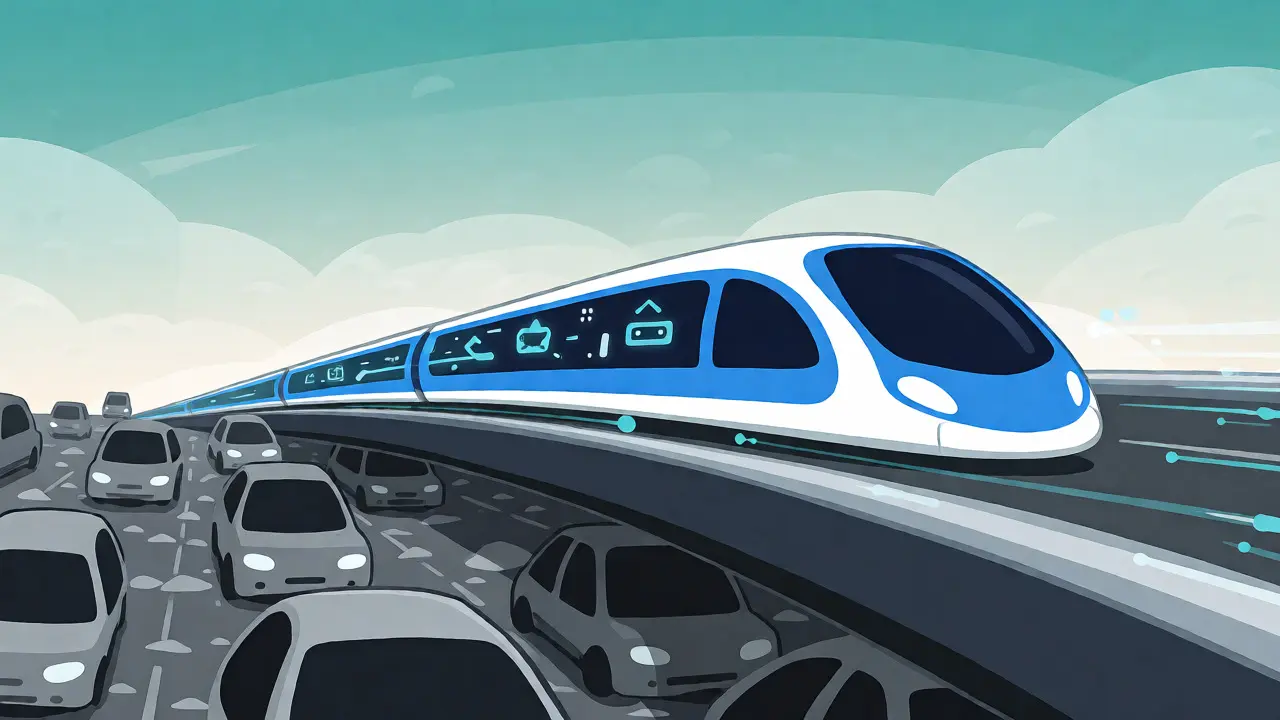
Let’s be real: most people don’t want to learn about blockchains to play a game. They just want to play. Traditional Web3 games often require you to bridge assets, pay transaction fees for every minor action, and deal with slow confirmation times. This kills the fun. B3, developed by NPC Labs, tackles this by creating a "settlement layer" on top of Base. Think of Base as the highway, and B3 as a dedicated express lane for gaming traffic. By using a Layer 3 rollup architecture, B3 inherits the security of Ethereum but processes transactions much faster and cheaper.
The core promise here is chain abstraction. In plain English, this means you use one account to play multiple games on the B3 network without constantly switching wallets or bridging funds. It’s like having one Steam account that works across all your favorite indie titles, rather than needing a separate login for each developer. This seamless experience is crucial for attracting mainstream gamers who have zero patience for crypto complexity.
Who Is Behind B3?
Credibility matters in crypto. You aren’t dealing with anonymous developers here. NPC Labs, the company behind B3, was founded by former Coinbase insiders and early Ethereum contributors. Key figures include Max Weisel, who served as Head of Product at Coinbase Base, and Alex Taub, co-founder of The Trust Machine. Their background suggests a deep understanding of both centralized exchange usability and decentralized tech constraints.
The project didn’t launch into a vacuum. Before its Token Generation Event (TGE) in February 2025, NPC Labs secured $21 million in seed funding from heavy hitters like Paradigm, Coinbase Ventures, and SevenX Ventures. This backing signals that institutional investors see potential in the specific niche of gaming infrastructure, even if the broader market remains volatile.
How Does B3 Work Technically?
Technically, B3 operates as a Layer 3 rollup settling on Base. It uses a modified version of Optimism’s OP Stack, which is the same technology powering many successful Layer 2 solutions. However, NPC Labs tweaked it for gaming needs. The result? Approximately 4,000 transactions per second (TPS) with finality times under two seconds. For context, that’s roughly 20x faster than typical Layer 2 chains.
Why does speed matter? In a game, waiting three seconds for a transaction to confirm feels like lag. Under two seconds feels instant. Furthermore, the cost per transaction averages around $0.0003. Compare that to $0.005 on Polygon or $0.02 on Ethereum mainnet, and you see why microtransactions become viable. You can let players buy small items repeatedly without the fee eating up the value of the purchase.
| Feature | B3 (Base) | Immutable X | Gala Games |
|---|---|---|---|
| Layer Type | Layer 3 on Base | Layer 2 on Ethereum | Layer 1 / Sidechains |
| Avg. Tx Cost | $0.0003 | $0.001 - $0.01 | Variable (GALA node dependent) |
| Primary Focus | Publisher-style ecosystem | NFT Marketplace & Minting | Node Ownership & Play-to-Earn |
| Exchange Listings | Limited (Coinbase, Bybit) | Widely Available | Widely Available |
Tokenomics and Utility
The B3 token has a total supply of 100 billion units. As of late 2025, about 31% of these tokens are in circulation. The token isn’t just for speculation; it serves specific functions within the ecosystem. Players use it for in-game transactions, developers stake it to access tools, and holders participate in governance decisions regarding protocol upgrades.
However, you need to watch the unlock schedule carefully. Since the TGE in February 2025, new tokens have been released monthly. For instance, in September 2025, 567 million tokens unlocked, worth roughly $1.52 million at then-current prices. These unlocks create selling pressure. If demand from actual gameplay doesn’t match the supply increase, the price tends to drop. Messari’s recent report rated the tokenomics as "high risk" partly due to this concentrated unlock schedule and the fact that only about 12% of current token utility is actively used in live games.
The Ecosystem: GameChains and Basement.fun
B3 isn’t just a chain; it’s an ecosystem. Two key components stand out: GameChains and Basement.fun.
- GameChains: These are customizable Layer 3 chains tailored for individual game studios. Imagine a developer wants their own private server with unique rules but still wants interoperability with the wider B3 network. They spin up a GameChain. This allows for specialized economies while maintaining shared assets.
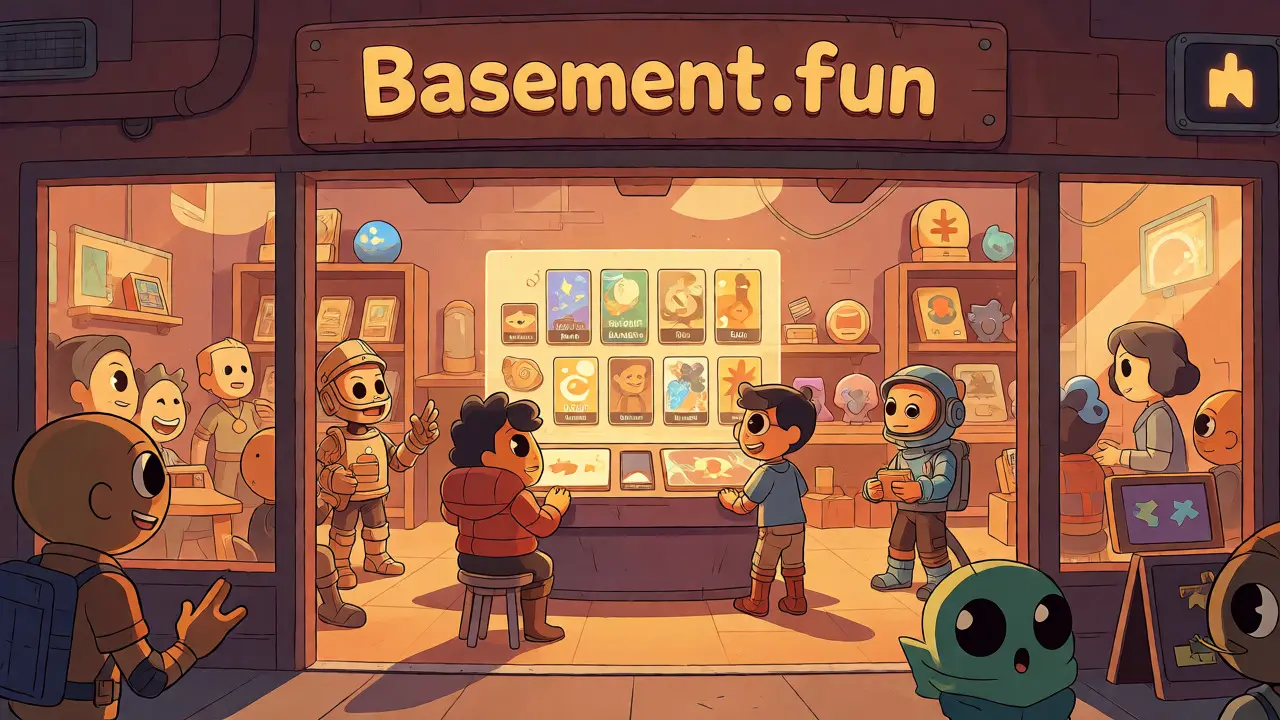
- Basement.fun: This is the discovery platform. Think of it as the Steam store front for B3 games. It aggregates available titles, letting users find and launch games directly through their browser. No downloads required, which lowers the barrier to entry significantly.
The goal is to create a publisher model similar to Tencent in traditional gaming. Instead of just providing rails, NPC Labs invests in promising projects and shares in their success. This aligns incentives better than pure infrastructure plays where the platform provider doesn’t care if the games succeed.
Risks and Criticisms
No investment or adoption decision is without risks. First, liquidity is thin. Compared to giants like Immutable (IMX) or Gala (GALA), B3 has a much smaller market cap-around $30 million as of December 2025. This means higher volatility. A single whale sell-off can crash the price 20% overnight.
Second, the content gap. Critics argue that while the tech is impressive, the games themselves are lacking. Many current B3 titles are simple casino-style or idle games rather than AAA experiences. User reviews reflect this polarization. Positive feedback highlights the seamless wallet experience and low costs. Negative feedback complains about limited game selection and insufficient developer documentation.
Finally, there’s regulatory uncertainty. The SEC’s guidance on play-to-earn models in late 2025 added a layer of caution. If regulators decide that certain in-game assets are securities, it could impact how B3 games operate. Additionally, B3 relies entirely on the health of the Base network. If Base gets congested or faces technical issues, B3 suffers immediately.
Is B3 Right for You?
If you’re a gamer who hates crypto friction, B3 offers a compelling solution. The tech works. Transactions are fast and cheap. But if you’re looking for immediate returns or a wide variety of high-quality games today, you might be disappointed. The ecosystem is still young. Adoption stands at roughly 87,400 monthly active users across 17 integrated games. That’s tiny compared to the billions in the traditional gaming market.
For developers, the learning curve is manageable-about 2-3 weeks for experienced Web2 devs-but support resources are still maturing. If you believe in the thesis that blockchain gaming will eventually go mainstream, B3 is a strong bet on the infrastructure layer. Just don’t expect it to replace Steam tomorrow.
What makes B3 different from other Layer 2 chains?
B3 is a Layer 3 chain specifically optimized for gaming, settling on Base. Unlike general-purpose Layer 2s, it prioritizes ultra-low latency and near-zero transaction costs for microtransactions, and features chain abstraction so users don't need multiple wallets.
Where can I buy B3 tokens?
As of late 2025, B3 is primarily listed on Coinbase, Bybit Futures, and the decentralized exchange Aerodrome. Availability is more limited compared to major cryptocurrencies like Bitcoin or Ethereum.
Does B3 have its own games?
Yes, the ecosystem includes various games accessible via the Basement.fun platform. However, the library is currently dominated by indie and mid-sized titles rather than AAA productions, though the roadmap aims to attract larger studios.
What is the total supply of B3?
The total maximum supply of B3 is 100 billion tokens. Approximately 31% of this supply is in circulation, with remaining tokens unlocking gradually over several years according to the vesting schedule.
Is B3 safe to use?
B3 inherits security from Ethereum via the Base network. While the underlying tech is robust, always conduct your own research on smart contract audits and understand that crypto investments carry inherent financial risks.