Ambios Network Token Earnings Calculator
Contribution Settings
Current Token Value
AMBIOS token price as of December 14, 2025
Market cap: $82,060 | Circulating supply: 13.78M tokens
Estimated Earnings
Most crypto coins are just digital bets on hype. But Ambios Network (AMBIOS) is different. It’s not trying to be the next meme coin or a faster payment system. It’s building a global network of physical sensors that measure air quality, temperature, humidity, and more - and paying people in tokens to make it happen.
What Exactly Is Ambios Network?
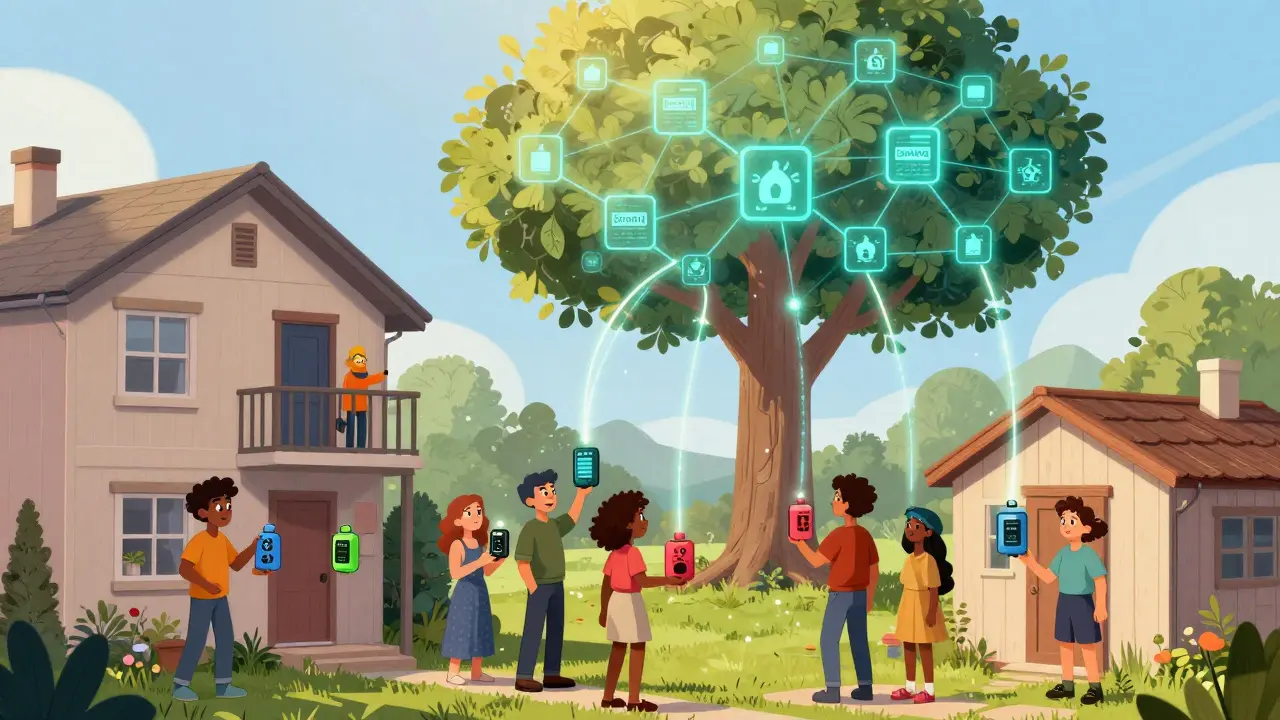
Ambios Network is a decentralized physical infrastructure network, or DePIN, built on the Solana blockchain. Its goal? To create the world’s largest crowd-sourced environmental monitoring system. Instead of relying on expensive government or corporate weather stations, Ambios uses everyday people with sensors to collect real-time outdoor data. These sensors aren’t sci-fi gadgets - they’re affordable, open-source devices like the AirGradient Open Air monitor, which anyone can buy and plug in outside their home or business. When you install one of these sensors, it starts sending live environmental data to the Ambios network. In return, you earn AMBIOS tokens. The more data you contribute, the more tokens you get. It’s like mining Bitcoin, but instead of using electricity to solve math problems, you’re helping build a cleaner, more transparent picture of the planet’s health.Why Does This Matter?
Right now, environmental data is patchy. Most air quality readings come from a handful of official stations in big cities. Rural areas, small towns, and developing countries are often left in the dark. This creates blind spots for scientists, city planners, and even AI systems trying to predict pollution or climate patterns. Ambios fixes that. With over 7,500 sensors already deployed across more than 20 countries, the network is filling in those gaps. And it’s not just for hobbyists. Big companies like SAP now use Ambios data through its Datasphere platform. That means businesses tracking carbon emissions, supply chain risks, or ESG compliance can access verified, real-time environmental data - data that’s not controlled by a single corporation or government. Even AI models need clean, real-world data to learn. Training an AI to predict wildfires or smog levels? It needs thousands of real sensor readings from different climates, altitudes, and urban layouts. Ambios provides exactly that - and pays contributors to keep feeding it.How Does the AMBIOS Token Work?
The AMBIOS token is the fuel of this system. It’s not just a speculative asset - it’s a reward mechanism. Here’s how it works:- You buy or earn AMBIOS tokens.
- You use them to buy sensors, pay for data access, or stake them to earn more.
- You earn tokens by contributing environmental data through sensors or smartphone apps.
- Enterprises pay in AMBIOS (or fiat) to access the data feed.

Who’s Behind It?
Ambios was founded in 2024 by Luca Franchi (CEO) and Ivan D’Ettorre (COO). They raised $2 million in seed funding from serious crypto investors: Borderless Capital (focused on climate tech), Solana Ventures (the official investment arm of Solana), Sonic Boom Ventures, and Primal Capital. This isn’t a team of anonymous developers. They’ve got real-world experience in tech, data, and environmental science. Their credibility matters because this project depends on trust. If people don’t believe the data is accurate, or that rewards will be paid, the whole system collapses.Why Solana?
You might wonder why they didn’t build on Ethereum or another blockchain. The answer is simple: cost and speed. Every time a sensor sends data, a microtransaction happens. That’s hundreds or thousands of tiny payments per day. On Ethereum, those fees would eat up the rewards. On Solana, transactions cost fractions of a cent and confirm in under a second. That makes the reward system economically viable. Plus, Solana has a strong DePIN ecosystem. Projects like SkyX (weather data) and Hivello (IoT connectivity) are also on Solana. That means shared infrastructure, shared users, and shared developer tools.Who Uses Ambios Data?
There are three main groups:- Communities: Local groups use the data to push for cleaner air, better urban planning, or emergency alerts during pollution spikes.
- Enterprises: Companies in agriculture, logistics, real estate, and energy use Ambios data to meet ESG reporting rules, optimize operations, and reduce environmental risk.
- AI Developers: Tech firms train machine learning models on Ambios data to predict climate events, model pollution spread, or even forecast crop yields.

How to Get Involved
You don’t need to be a crypto expert to join. Here are your options:- Buy a sensor: Order the AirGradient Open Air monitor from their website. Plug it in outside your window. Start earning.
- Use your phone: The Ambios app lets you manually log environmental observations - like noticing smoke or unusual heat - and earn tokens for verified reports.
- Buy AMBIOS tokens: Trade for them on exchanges like Gate.io or Raydium. Hold them as a bet on the network’s growth.
- Use the data: If you’re a researcher, developer, or business, sign up for API access through their website.
Is It a Good Investment?
That’s the question everyone asks. The short answer: it’s high risk, high potential. Pros:- Real-world utility - not just speculation.
- Strong backing from top-tier crypto VCs.
- Enterprise integration with SAP - a rare win for DePIN projects.
- Massive untapped market: global environmental data is worth billions.
- Extremely low liquidity - trading volume is tiny. Big moves can happen fast.
- Only 1.378% of tokens are circulating. Most are locked. Future unlocks could crash the price.
- Competition is growing - SkyX, Filament, and even traditional weather companies are catching up.
- Still early. No proven revenue stream beyond token rewards.
What’s Next?
Ambios has a roadmap. More sensors. More countries. More enterprise integrations. They’re working on mobile sensor kits for schools and NGOs. They’re exploring partnerships with climate NGOs. And they’re building tools so developers can build apps on top of their data feed. The next big milestone? Turning their 7,500 sensors into 75,000. If they hit that, the data becomes powerful enough to influence policy, insurance pricing, and global climate models. Right now, AMBIOS is a quiet project. You won’t see it on mainstream news. But in the DePIN world, it’s one of the most promising. It’s not about getting rich quick. It’s about building something that outlives the crypto cycle.Is Ambios Network a scam?
No, Ambios Network is not a scam. It has a public team, real-world hardware, enterprise partnerships with SAP, and verifiable sensor deployments. The project is transparent about its tokenomics, funding, and roadmap. The low trading volume and small market cap are signs of early adoption, not fraud. Always do your own research, but the evidence points to a legitimate DePIN project.
Can I earn AMBIOS tokens without buying a sensor?
Yes. Ambios offers a mobile app that lets you manually report environmental conditions - like air quality, noise levels, or extreme weather - using your smartphone. These reports are verified by the network and rewarded with AMBIOS tokens. You don’t need hardware to participate, though sensors give you higher and more consistent rewards.
Where can I buy AMBIOS tokens?
AMBIOS is available on decentralized exchanges (DEXs) that support Solana, such as Raydium and Jupiter. It’s also listed on centralized exchanges like Gate.io. Always check the official Ambios website for the most up-to-date exchange list and avoid fake tokens. The official smart contract address on Solana starts with amb1bb...Crd9FM.
Why is the market cap so low?
The low market cap reflects its early stage. Only 1.378% of the total 1 billion AMBIOS tokens are in circulation. Most are locked for team, ecosystem, and future incentives. Low trading volume and limited awareness also contribute. As more sensors go live and enterprise demand grows, the market cap could rise - but it’s still a high-risk, early-stage asset.
How does Ambios compare to SkyX or other DePIN projects?
Ambios is focused exclusively on environmental data - air quality, temperature, humidity - while projects like SkyX focus on weather, and Hivello on general IoT connectivity. Ambios stands out because of its enterprise integration with SAP Datasphere, which few DePIN projects have achieved. It also has a larger deployed sensor network (7,500+) compared to most competitors. Its niche is environmental intelligence, not general infrastructure.
Is Ambios Network only for crypto investors?
No. Ambios is designed for anyone who cares about the environment. Communities, schools, researchers, and businesses can use the data without owning any tokens. You can even contribute data and earn rewards without ever buying AMBIOS. It’s a platform for environmental action - crypto is just the incentive layer.