The Reality of CoinMarketCap Airdrops and Crypto Rewards
If you have been chasing the "BEST" token linked to CoinMarketCap, you aren't alone. Many investors search for this specific keyword hoping for free tokens. However, there is a major problem you need to know right away. As of early 2026, no official airdrop program by that exact name exists. Instead of wasting time on a phantom project, we should look at what is actually working.
We need to talk about the distinction between rumors and verified campaigns. An airdrop is a distribution of cryptocurrency tokens to various wallet addresses. It is a marketing tool used by projects to build a community. Recently, the most prominent legitimate initiative was the partnership between CoinMarketCap and The Graph (GRT). While the specific "BEST" token sounds promising, it lacks any audit trail or official documentation. The Graph campaign, however, had clear records.
Understanding Real Airdrop Mechanics
Not all token distributions are created equal. When you see headlines like "Bitcoin Standard Token," it is often clickbait designed to trigger curiosity. A legitimate campaign usually follows a specific structure known as "Learn & Earn." CoinMarketCap utilizes this method. They require users to complete educational modules about a protocol before receiving tokens.
This approach protects the network. It ensures that when someone gets a reward, they actually understand the underlying technology. For example, The Graph uses GraphQL is a query language for APIs and a runtime for executing those queries to index blockchain data. By making users read about this first, they avoid sending money to bots.
The Graph Campaign Details
While the "BEST" token remains unverified, The Graph's 2025 campaign offers concrete data we can analyze. In late 2025, they distributed approximately 10 GRT tokens per eligible user. At the time of launch, this was valued around $7.60. This might seem small compared to massive retroactive drops seen in 2024, like Arbitrum or Optimism, which handed out thousands of dollars to early adopters.
However, "Learn & Earn" programs differ significantly from retroactive models. Retroactive drops require you to have interacted with a blockchain in the past, meaning you are out of luck if you started today. The Graph model via CoinMarketCap was accessible to anyone with a valid account who put in 20 minutes of work. This makes it a crucial entry point for beginners.
| Feature | Rumored "BEST" Token | Verified The Graph Campaign |
|---|---|---|
| Official Verification | None Found | CoinMarketCap Verified |
| Eligibility Requirements | Unknown/Unclear | Quiz Completion & Wallet Link |
| Token Utility | Undefined | Indexing Protocol Data (GRT) |
| Reward Value | Promised "High Value" | ~$7.60 (10 Tokens) |
How to Participate Safely
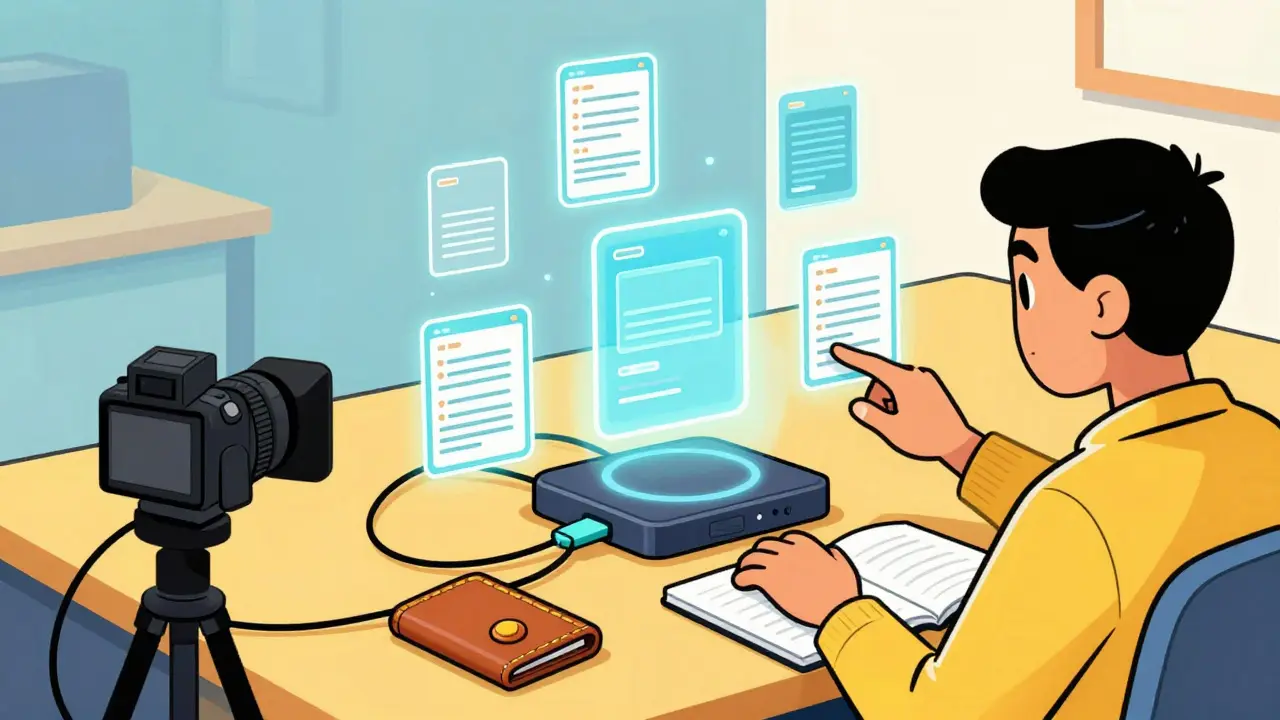
Since legitimate opportunities are rare, protecting yourself from scams is your top priority. Here is the standard workflow for claiming a verified reward. You do not want to fall for a phishing site that mimics these terms.
- Create Your Account: You must have a verified profile on the exchange or platform hosting the campaign.
- Link a Wallet: Connect a non-custodial wallet like MetaMask or Trust Wallet. Never share your seed phrase.
- Complete Modules: Watch the videos and answer the quiz questions. For The Graph, this was roughly five modules.
- Verify Eligibility: Ensure your region is allowed. Some campaigns exclude high-risk jurisdictions.
- Claim Rewards: Follow the official link within the app. Do not click links sent via Telegram DMs or random emails.
A critical note for 2026: Always check the Terms of Service. During the October 2025 period, 32 jurisdictions were excluded. If you live in a restricted area, attempting to bypass restrictions using a VPN can lead to permanent bans.
Value and Market Impact
You might ask, is it worth your time? The numbers help clarify this. The Graph Foundation maintains a market cap ranking around #23 in the broader ecosystem. Their treasury reserves sit at over $142 million, indicating long-term stability compared to fleeting meme coins.
Even smaller airdrops add liquidity to the market. CoinGecko tracked 36 notable events in 2024 adding billions to the sector. While "Learn & Earn" campaigns only made up 8.7% of value in 2025, they serve as onboarding ramps. The risk of losing money is near zero because you are not staking funds; you are simply trading your time for a small allocation.
Experts like Sarah Cheng at CoinDesk categorize these strictly as marketing tools rather than investment vehicles. They generate buzz but rarely make you rich overnight. Understanding this difference helps manage expectations.
Safety Checklist for Users
- Never send crypto to receive a free token.
- Check the URL carefully for typos.
- Use a burner wallet address to minimize main fund exposure.
- Verify announcements on official channels only.
As we move further into 2026, platforms are tightening security. Fraudulent schemes targeting users looking for "BEST" token rewards continue to pop up. Stick to verified partners and established protocols like The Graph.
Is the BEST x CoinMarketCap airdrop real?
No, there is no official verification for a "BEST" token airdrop linked to CoinMarketCap as of April 2026. Searches for this term currently point to unverified sources or potential scams.
Can I still claim the The Graph GRT reward?
This depends on the specific campaign window. Most "Learn & Earn" windows close after a set time (often 3-6 months). Check the official CoinMarketCap dashboard for current status updates.
What wallet do I need for crypto rewards?
You need a Web3-compatible wallet like MetaMask or Trust Wallet that supports the token's blockchain (usually Ethereum or Polygon). Avoid custodial wallets if possible.
Are airdrops taxable in New Zealand?
Yes, in many jurisdictions including New Zealand, airdrops can be treated as income or windfall gains depending on the nature of the acquisition. Consult a tax professional.
How do I identify a fake airdrop website?
Fake sites often mimic branding perfectly but have slight URL differences. They may ask for sensitive personal info or private keys. Always verify URLs via official social media.