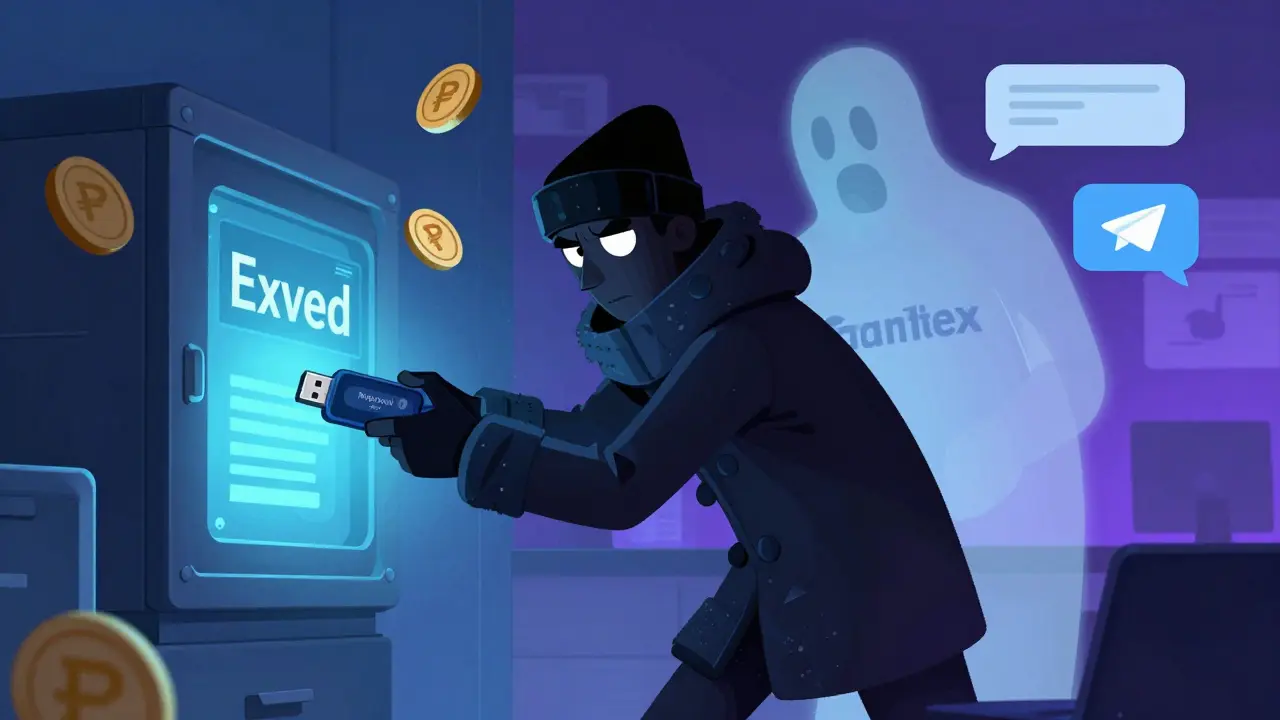
Roskomnadzor crypto: How Russia's censorship body shapes crypto regulation
When you hear Roskomnadzor, Russia’s federal executive body responsible for media, telecommunications, and internet censorship. Also known as Federal Service for Supervision of Communications, Information Technology and Mass Media, it has become one of the most active regulators of digital finance in the world. Roskomnadzor doesn’t just block websites—it targets entire crypto ecosystems. Since 2022, it has forced major exchanges like Binance and Kraken to restrict Russian users, blocked access to decentralized wallet interfaces, and pressured Telegram to shut down crypto-related bots. This isn’t about stopping innovation—it’s about control. And it’s working.
What makes Roskomnadzor different from other regulators? It doesn’t need laws to act. While countries like the U.S. or Singapore build legal frameworks, Roskomnadzor uses administrative orders to shut down services overnight. It labels crypto platforms as "extremist" or "unlicensed financial services" and orders ISPs to cut them off. The result? Millions of Russians can’t access global exchanges, but they still trade. They use P2P apps, VPNs, and local OTC desks. Some even mine Bitcoin using state-subsidized power—while Roskomnadzor watches. This agency doesn’t ban crypto outright; it makes it harder, riskier, and more expensive. And that’s exactly the point.
Related entities like crypto censorship, the systematic restriction of cryptocurrency access by governments or institutions and Russia crypto ban, the legal and technical measures used to limit crypto transactions and platforms within Russia are directly shaped by Roskomnadzor’s actions. It’s not just about blocking websites—it’s about reshaping how people think about money. You can’t buy Bitcoin on Binance? You’ll find it on a Telegram group. You can’t use a wallet? You’ll use a friend’s hardware device. The system pushes people underground, but it doesn’t stop them.
What you’ll find in the posts below aren’t theoretical debates about crypto policy. These are real stories: how Iranians use energy subsidies to mine Bitcoin while Russians bypass Roskomnadzor blocks with encrypted channels, how Bangladesh defies its own crypto ban with stablecoin remittances, and how El Salvador’s Bitcoin experiment collapsed under political pressure. Roskomnadzor didn’t create these patterns—but it’s part of the same global tension: governments trying to control digital money, and people finding ways around them. The posts here show you how it’s really playing out—not in boardrooms, but in living rooms, back-alley trades, and encrypted chats.