Kosovo Crypto Mining Ban: What Happened and Why It Matters
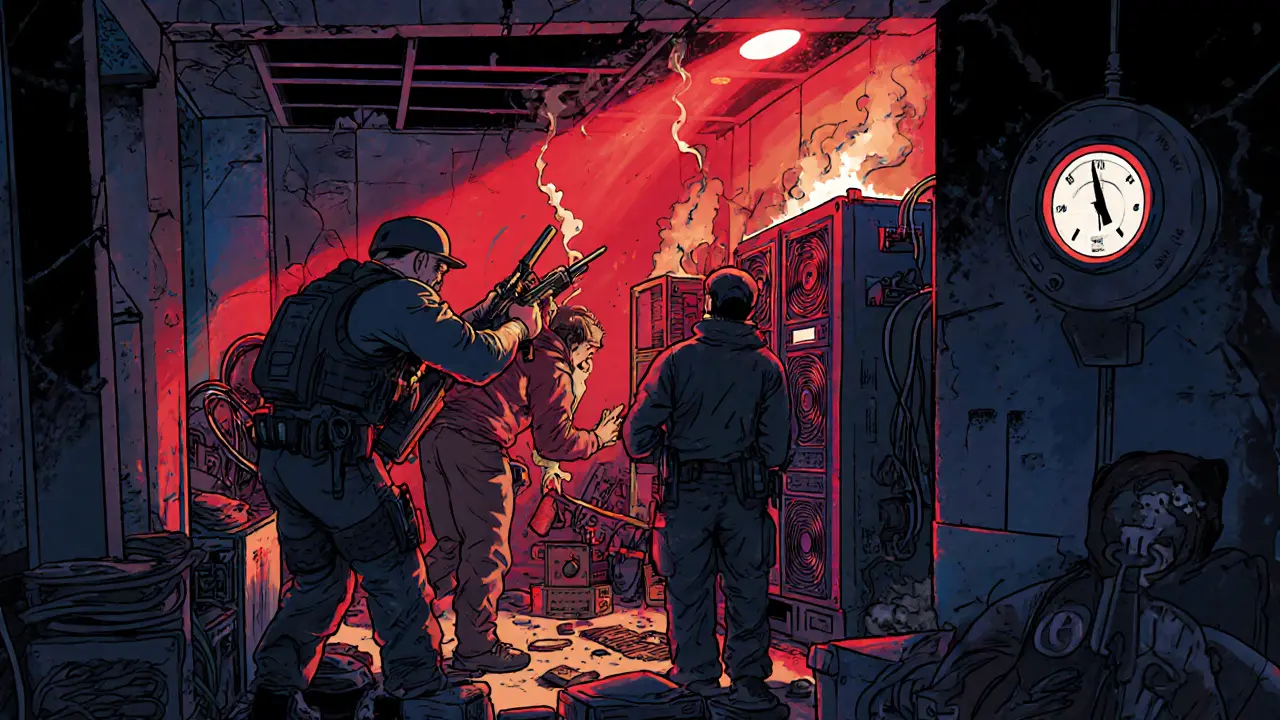
When Kosovo crypto mining ban, a government decision to stop cryptocurrency mining due to power grid overload hit in early 2024, it wasn’t just about Bitcoin—it was about who gets to use the electricity. Kosovo, a small Balkan nation with chronic power shortages, saw households and businesses lose power daily while miners ran rigs 24/7, siphoning off up to 20% of the national grid. The ban was a last resort: no more mining, no exceptions. But here’s the twist—mining didn’t stop. It just went underground.
The blockchain energy use, the massive electricity demand from Proof of Work mining operations is what made Kosovo’s crisis unavoidable. Bitcoin mining alone can use more power than entire countries, and in Kosovo, that meant schools, hospitals, and homes paid the price. This isn’t unique. Iran does the same thing, using state-subsidized power to mine crypto while citizens face blackouts. The crypto government bans, official prohibitions on mining or trading by national authorities in places like China, Bangladesh, and now Kosovo show a pattern: when energy is scarce and crypto is profitable, governments choose people over profit.
But the real story isn’t just about power—it’s about control. Kosovo’s ban targeted large-scale mining farms, not individuals. Yet, many small miners kept going, using solar panels, stolen grid power, or even backyard rigs. The government couldn’t shut them all down. That’s the tension: crypto mining thrives in places with weak enforcement, cheap power, or desperation. And that’s why the Kosovo crypto mining ban matters beyond its borders. It’s a warning to other countries on the edge of energy collapse. If you can’t power your people, you can’t power their coins.
What you’ll find below are real cases—how bans work, who gets hurt, and how miners adapt. You’ll see how energy policy shapes crypto’s future, why some countries turn a blind eye, and what happens when a government tries to stop something the grid can’t handle. These aren’t theoretical debates. They’re live stories from the frontlines of crypto’s most uncomfortable truth: mining isn’t just tech. It’s a power struggle.