Digital Rupee India: What It Is, How It Works, and What It Means for Crypto
When you hear digital rupee India, the official central bank digital currency issued by the Reserve Bank of India. Also known as e-Rupee, it's not crypto—it's the Indian rupee, but in digital form, backed by the full faith of the government. Unlike Bitcoin or Ethereum, the digital rupee doesn’t run on a decentralized blockchain. It’s controlled, tracked, and issued by the RBI, just like physical cash, but faster and easier to use on your phone.
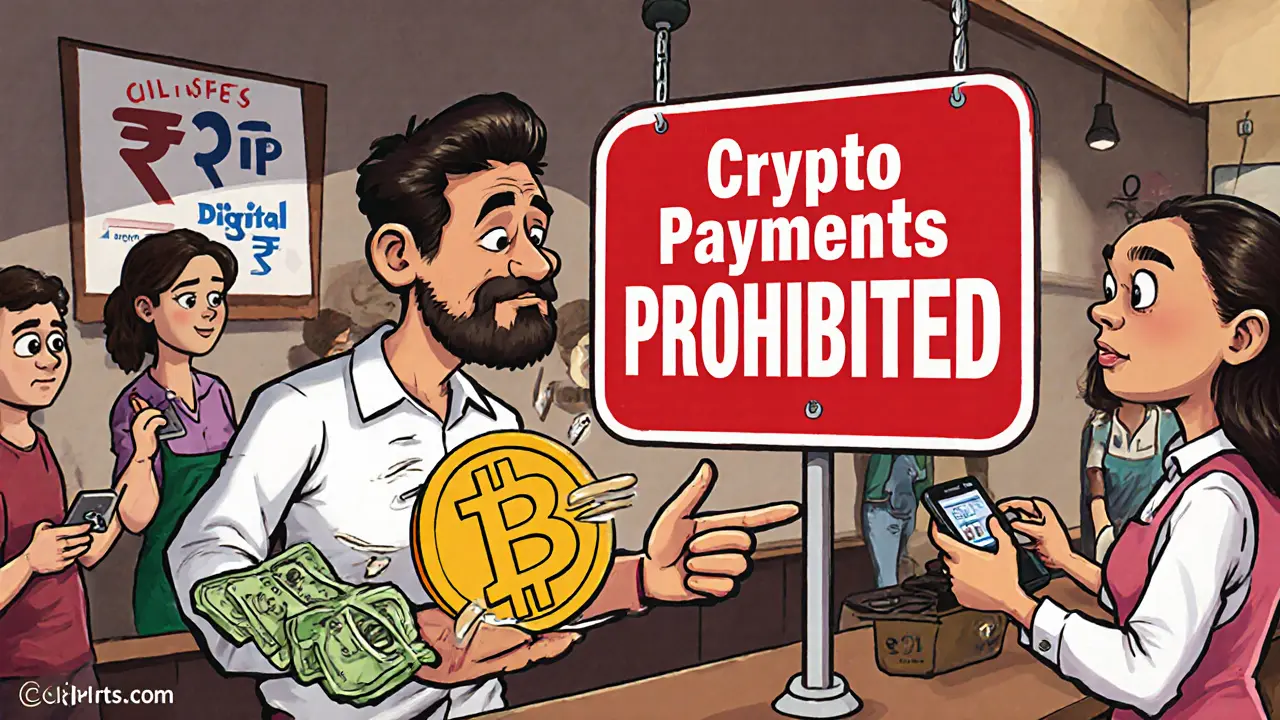
This matters because India is one of the first major economies to roll out a central bank digital currency (CBDC), a digital version of a nation’s fiat currency issued and regulated by its central bank. While people in India can still trade Bitcoin and Ethereum, they can’t use those for everyday payments—crypto payments are banned. But with the digital rupee, you can pay for groceries, bus tickets, or even send money to a friend without needing a bank app or internet connection in some cases. It works offline, it’s instant, and it’s as safe as cash.
Some people think the digital rupee is meant to kill crypto. It’s not. It’s meant to replace cash, not coins. But it does change the game. If the government controls the digital rupee, they can see every transaction. That’s great for stopping fraud and tax evasion—but bad if you value privacy. Meanwhile, crypto like Monero or Bitcoin lets you move money without asking permission. That’s why you’ll see posts here comparing the two: one is state-controlled money, the other is user-owned money. Both exist in India right now, but only one is legal for payments.
The digital rupee also affects how you interact with crypto exchanges, platforms where users buy, sell, or trade digital assets like Bitcoin and Ethereum. If you’re using a foreign exchange like Bybit or Binance, you might be blocked if you’re in India. The digital rupee gives the government more control over money flows, which means stricter rules on how you move funds in and out of crypto. That’s why posts here cover things like VPN detection, geofencing, and how exchanges respond to Indian users.
You’ll find guides here about what’s real and what’s fake—like the difference between a real airdrop and a scam pretending to be one. The digital rupee doesn’t give away free tokens. But scammers? They’ll use the name "digital rupee" to trick you into handing over your wallet keys. We’ve got posts that show you how to spot those tricks, what to look for in a real project, and why most "crypto airdrops" tied to Indian government projects are just lies.
So if you’re in India and wondering whether to hold crypto, use the digital rupee, or both—this page gives you the facts. No fluff. No hype. Just what’s happening, why it matters, and how to stay safe while navigating this new money landscape.