Official USA Token (USA) Explained: Crypto Facts, Price, and Risks
An in-depth look at Official USA Token (USA), covering its Solana infrastructure, supply limits, price volatility, and trading risks as of March 2026.
When we talk about digital assets, ownership records stored on blockchain networks that can represent anything from currency to real estate. Also known as tokenized assets, they’re not just Bitcoin or Ethereum—they’re the backbone of modern finance moving offline into code. Think of them like digital deeds: you can own a share of a stock, a piece of music, or even a slice of solar power—all as tokens on a ledger no single company controls.
Digital assets aren’t just for speculators. They’re changing how money moves across borders, how artists get paid, and how governments track illegal cash. Countries like El Salvador tried making Bitcoin a legal tender, while Singapore shut down most new crypto licenses. Meanwhile, platforms like Swarm Markets let you trade real stocks as blockchain tokens under real financial laws. And it’s not just about money—smart contracts now automate insurance claims, energy deals, and even digital IDs without middlemen.
But not all digital assets are created equal. Some, like the CRO Trump AI coin or Just Elizabeth Cat, are pure scams—no team, no code, no future. Others, like THORChain or DeFiHorse, are real tools built to solve real problems: swapping Bitcoin for Ethereum without giving up control, or creating fair gaming economies. And then there’s the dark side: countries like Kosovo banned mining to stop blackouts, Iran subsidizes it to bypass sanctions, and the U.S. seizes millions in crypto every year. You can’t understand digital assets without seeing both the promise and the peril.
What you’ll find below isn’t just a list of articles—it’s a map. You’ll see how DAOs are gaining legal status in Wyoming, how whale trackers spot market moves before they happen, why Bangladesh uses crypto despite a total ban, and how FinCEN and MAS are forcing exchanges to play by strict rules. Some posts warn you about fake airdrops. Others show you how to protect your private keys so you don’t lose everything. This isn’t theory. It’s what’s happening right now—in real time, on real blockchains, with real money at stake.

An in-depth look at Official USA Token (USA), covering its Solana infrastructure, supply limits, price volatility, and trading risks as of March 2026.
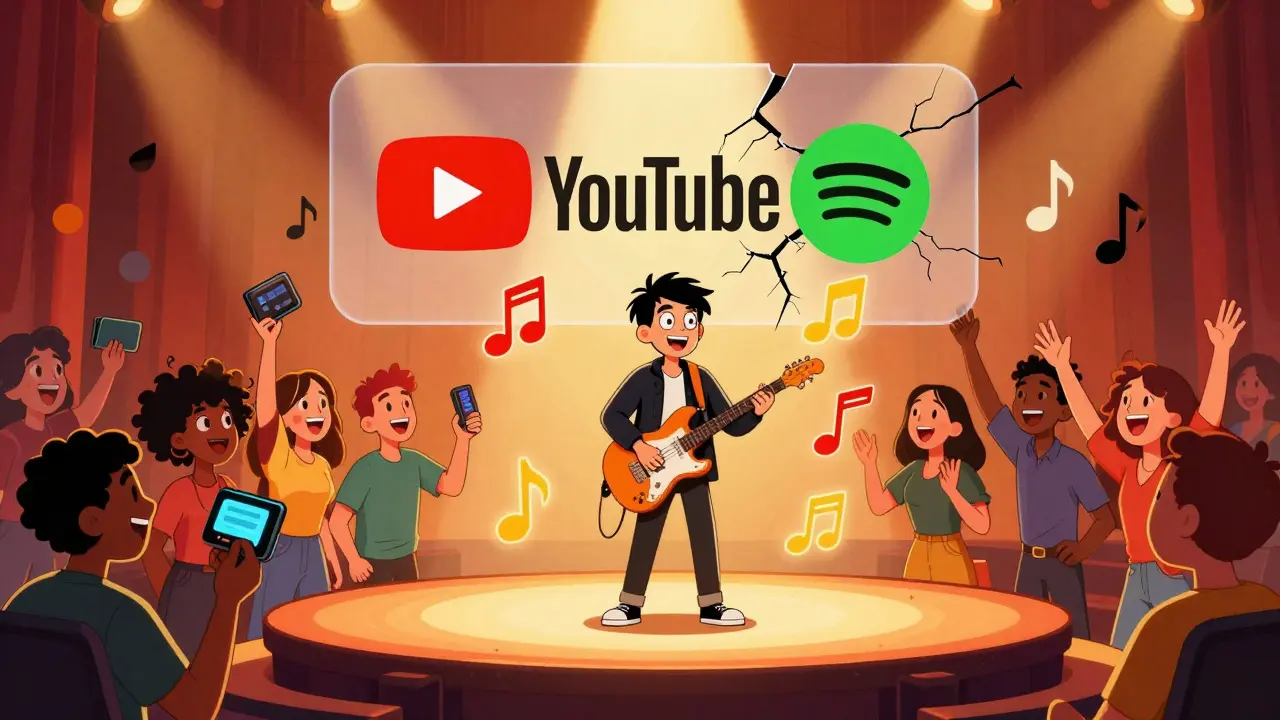
Creators use social tokens to cut out platform middlemen, let fans own a piece of their success, and unlock exclusive access - turning followers into active participants in their creative journey.