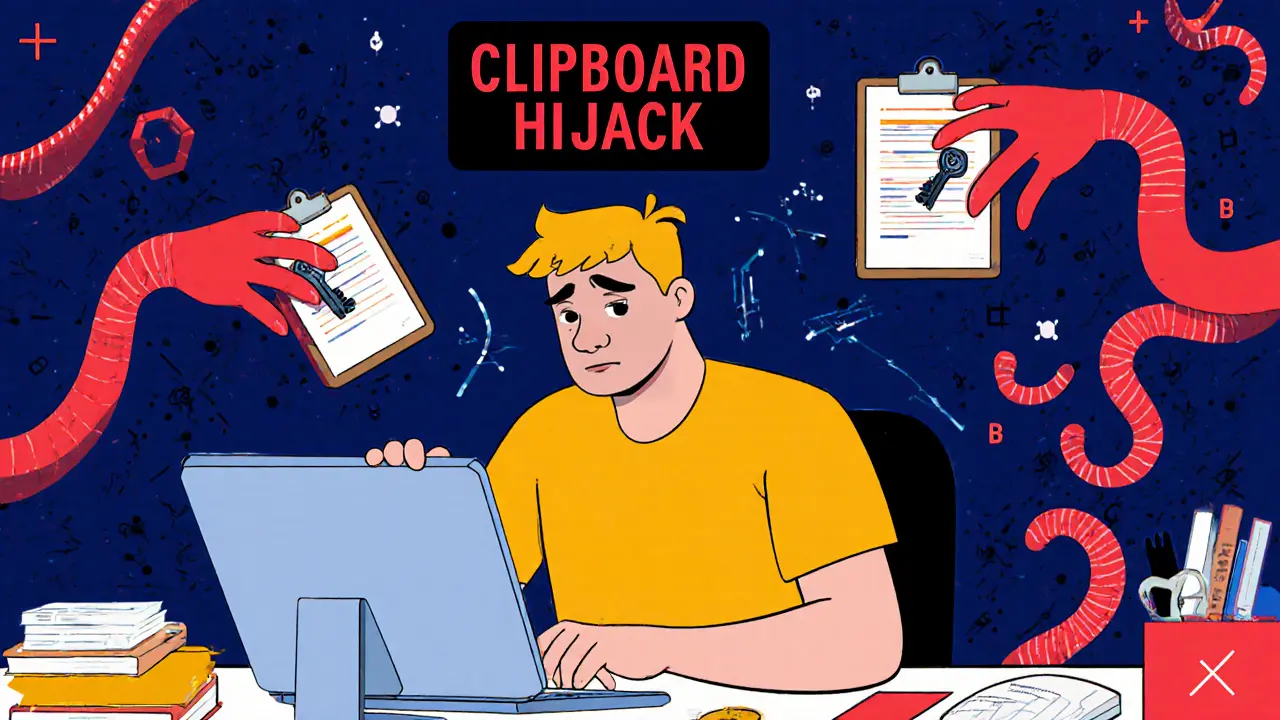
Cryptocurrency Security: Protect Your Crypto from Scams, Hacks, and Seizures
When you hold cryptocurrency, digital assets that exist on decentralized networks and can be owned without a bank. Also known as crypto, it gives you control—but also full responsibility. If you lose your private key, no one can recover it. If you click the wrong link, your funds can vanish in seconds. And if a government decides to seize it, there’s often no appeal. Cryptocurrency security isn’t about fancy tools—it’s about understanding how people lose money and how to avoid those traps.
Most crypto losses come from three places: crypto scams, fraudulent tokens pretending to be real projects, like CRO Trump AI or Just Elizabeth Cat, wallet hacks, when users give away access through phishing or fake apps, and crypto seizure, when governments freeze or take assets, as seen in the U.S., Singapore, and even under Iran’s energy subsidies. You can’t trust a coin just because it has a big name attached. You can’t trust a website just because it looks professional. And you can’t trust a free airdrop that asks for your seed phrase. Every post in this collection shows real cases where people lost everything—not because the blockchain broke, but because they skipped basic safety steps.
What actually works to keep your crypto safe?
Hardware wallets like Ledger or Trezor help, but only if you store them somewhere secure. Two-factor authentication stops most automated attacks—but not if you use SMS. The real win? Knowing what not to do. Don’t use exchanges that lack transparency, like SatoExchange or BTLUX. Don’t chase meme coins with zero team or utility, like TAUR or XAIGAME. Don’t assume a project is legit because it’s on CoinMarketCap. The platform doesn’t vet tokens—it just lists them. And don’t think you’re safe just because you’re in a country with no ban, like Bangladesh. People there use crypto daily, but they still get scammed by fake airdrops and fake wallets. Security isn’t about location. It’s about behavior.
The rules haven’t changed in ten years: never share your seed phrase, always verify contract addresses, and assume every airdrop is a trap until proven otherwise. That’s why DeFiHorse and Kalata airdrops are listed here—not because they’re real, but because they’re perfect examples of how scams mimic legitimacy. The same goes for THORChain and ShadowSwap: one is a trusted cross-chain tool, the other a low-volume niche platform. The difference? Transparency, history, and community. That’s what you look for. Not hype. Not influencers. Not FOMO.
Whether you’re trying to avoid a rug pull, dodge a government seizure, or stop a phishing attack, every lesson here comes from real losses. No theory. No fluff. Just what happened, why it happened, and how to make sure it doesn’t happen to you.