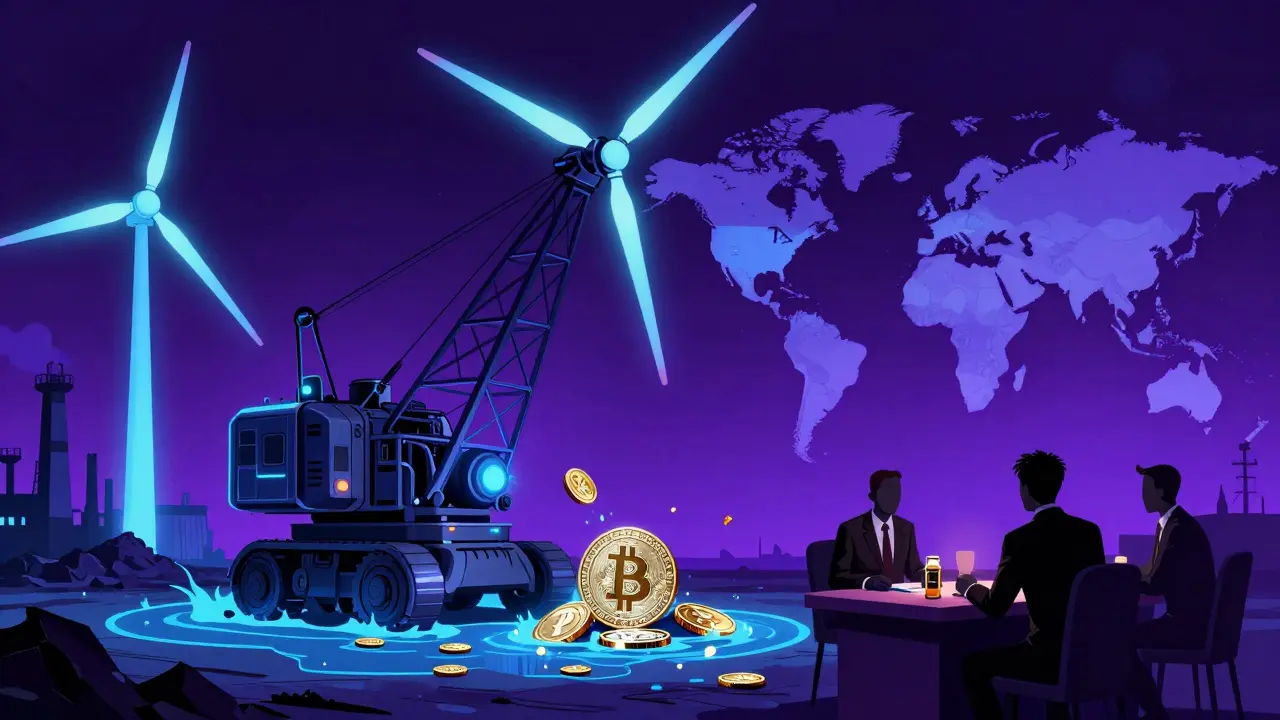
Cryptocurrency Sanctions: What Gets Frozen, Who Gets Hit, and How It Affects You
When governments freeze cryptocurrency sanctions, government actions that block access to digital assets linked to illegal activity or sanctioned entities. Also known as crypto asset freezes, these measures are no longer theoretical—they’re happening every week, from Russia to Iran to North Korea. It’s not just about stopping hackers or terrorists anymore. It’s about controlling entire economies that operate outside traditional banking. The U.S. Treasury, EU regulators, and even Singapore’s MAS are now tracking wallet addresses like license plates. If your crypto touches a sanctioned address—even once—it could get flagged, frozen, or seized.
One of the biggest shifts? crypto asset forfeiture, the legal process where authorities seize and keep cryptocurrency tied to crimes or violations. Also known as crypto confiscation, it’s no longer rare. The U.S. has seized over $8 billion in crypto since 2020, mostly from ransomware gangs and darknet markets. But it’s not just criminals. In 2025, Russian exchanges like Garantex were shut down not because they broke laws, but because their owners were under sanctions. Even users who never did anything wrong got locked out. Meanwhile, Iran uses crypto mining to bypass sanctions, turning electricity subsidies into a lifeline for Bitcoin production—while its own citizens suffer blackouts. This isn’t just a tech problem. It’s a legal, economic, and moral gray zone. If you’re trading altcoins or holding tokens from a project with ties to a sanctioned country, you’re playing with fire—even if you didn’t know the connection.
crypto compliance, the set of rules exchanges and wallets must follow to avoid penalties under global sanctions. Also known as crypto AML, it’s the reason Binance can’t operate in Russia and why SatoExchange has zero fiat support. Exchanges now scan every transaction against OFAC lists. If you send $10 to a wallet that once received funds from a sanctioned entity, your account could be restricted. It’s not about guilt—it’s about association. That’s why projects like Swarm Markets, licensed by BaFIN, are winning trust: they blend blockchain transparency with real-world regulation. And if you think you’re safe because you use a private wallet? Think again. Tools like Nansen.ai and Whale Alert track movement across chains, making anonymity a myth for anyone under scrutiny.
And then there’s crypto seizure, the actual removal of digital assets from a user’s control by authorities. Also known as asset forfeiture, it’s becoming routine. In Kosovo, mining was banned because it drained the grid. In Bangladesh, people still use stablecoins to send remittances despite a total ban—because the government can’t seize what it can’t track. But in the U.S., FinCEN requires every exchange to report suspicious activity. No exceptions. No loopholes. If you’re holding a token tied to a scam like CRO Trump AI or Just Elizabeth Cat, you’re not just risking your money—you’re risking legal attention.
What you’ll find here isn’t theory. It’s real cases: how El Salvador’s Bitcoin law collapsed under pressure, why Kosovo changed its mining ban into strict energy rules, and how the U.S. is using blockchain analytics to track money flows better than banks ever could. You’ll see who’s getting hit, who’s getting away with it, and how to protect yourself without staying offline. This isn’t about fear. It’s about awareness. The rules are changing fast. Know them before your wallet gets caught in the crossfire.