Cryptocurrency Legality in India: What's Allowed, What's Banned, and How to Stay Safe
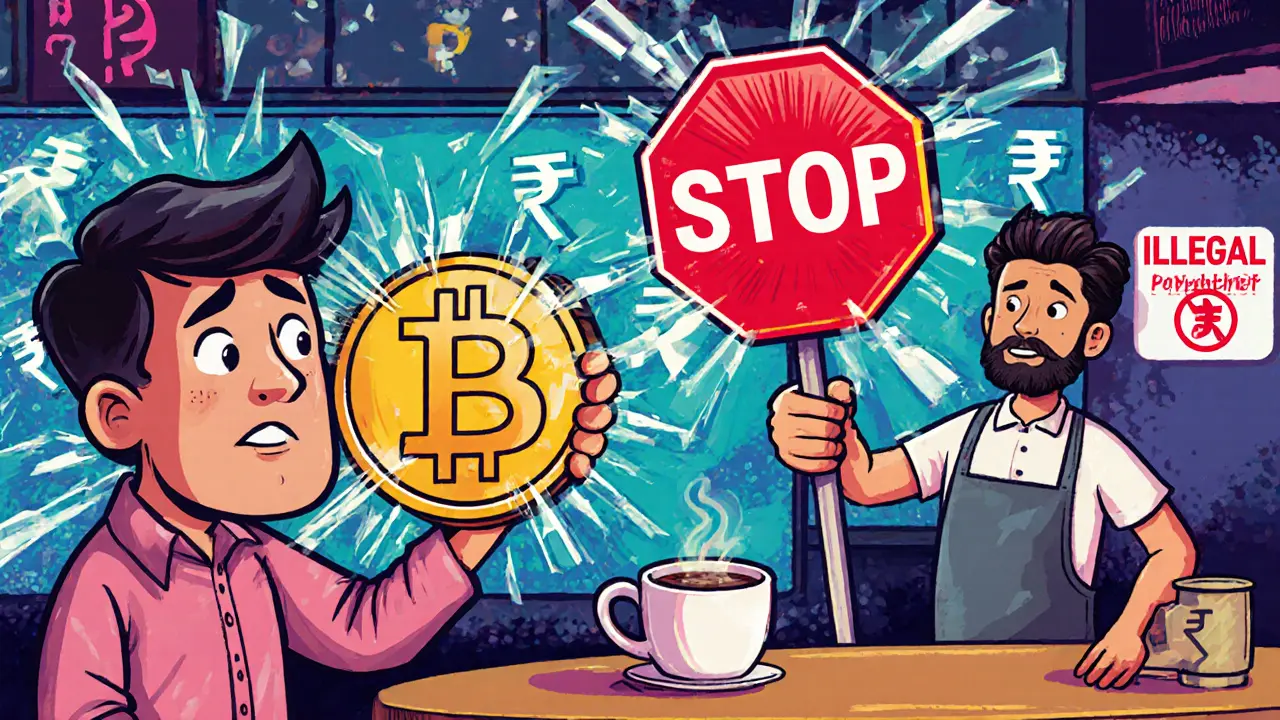
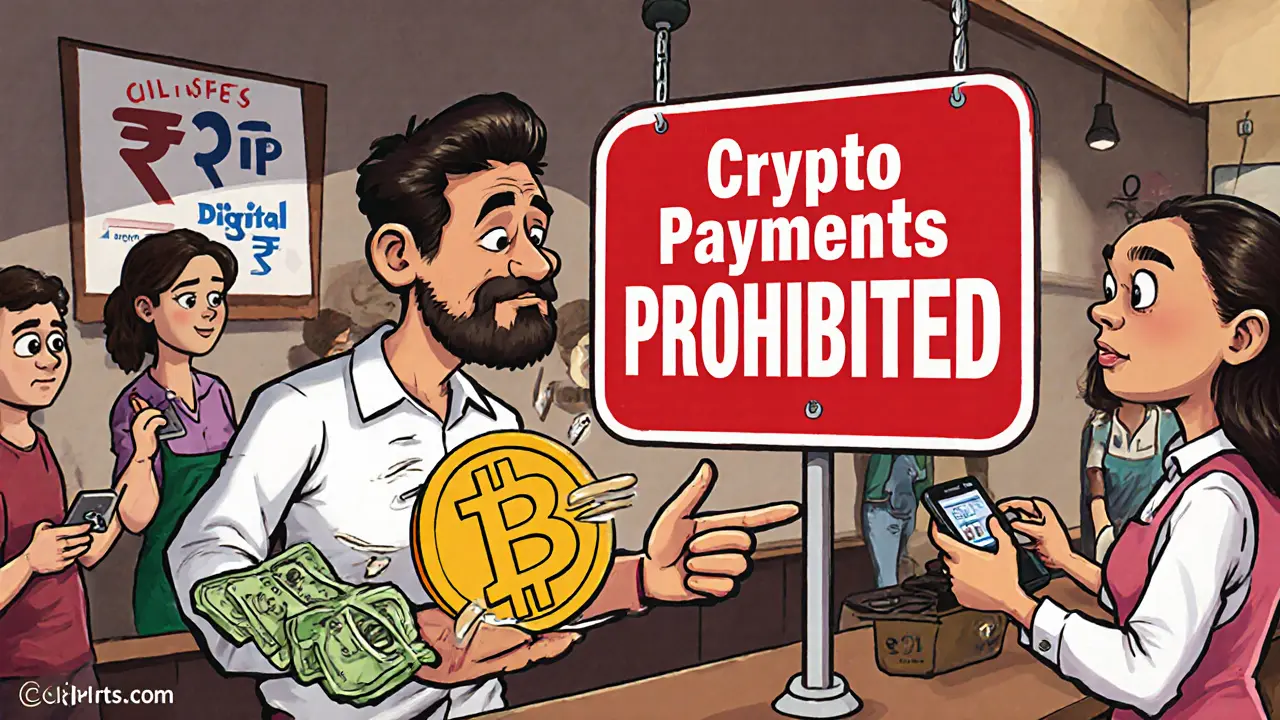
When it comes to cryptocurrency legality in India, the legal status of digital assets like Bitcoin and Ethereum under Indian law. Also known as crypto regulation India, it’s a confusing mix of restrictions, taxes, and silent acceptance. There’s no outright ban—unlike Bangladesh or Nigeria—but the government doesn’t treat crypto as legal tender either. The Reserve Bank of India (RBI) has never given crypto the green light, and banks often block transactions linked to exchanges. Yet, over 15 million Indians still trade crypto. How? Because the law hasn’t caught up with the reality on the ground.
What’s clear is that crypto taxation India, the government’s approach to taxing gains from digital asset trades is strict. Since 2022, any profit from selling Bitcoin, Ethereum, or any other token is taxed at 30%—no deductions, no losses allowed. On top of that, a 1% TDS kicks in on every trade, whether you made money or not. This isn’t a warning—it’s enforcement. The Income Tax Department is actively tracking wallet addresses and demanding data from Indian exchanges. If you’re trading, you’re being watched.
And then there’s the RBI crypto policy, the central bank’s unofficial but powerful stance against crypto. While the RBI can’t ban crypto directly, it controls the banking system. Many banks still refuse to open accounts for crypto businesses. Some users report frozen accounts or sudden limits on UPI transfers linked to platforms like WazirX or CoinDCX. This creates friction—but not stoppage. People use peer-to-peer (P2P) platforms, foreign exchanges, and stablecoins like USDT to keep trading. The system bends, but doesn’t break.
There’s also the question of crypto regulations India, the evolving legal framework shaping how crypto is treated by authorities. The government has floated ideas for a central bank digital currency (CBDC), and there are rumors of a licensing system for exchanges. But nothing’s official yet. That means the rules you follow today might change tomorrow. What’s not changing? The risk. Scams, fake airdrops, and unregulated platforms thrive in this gray zone. The same people who trade Bitcoin might also get tricked by a fake KALA airdrop or a no-name exchange like Barkis Blockchain. Awareness isn’t optional—it’s survival.
You don’t need to be a lawyer to navigate this. But you do need to know: if you buy, sell, or hold crypto in India, you’re on the government’s radar. Pay your taxes. Use trusted platforms. Never send funds to unknown wallets. And never trust a ‘guaranteed return’ on a meme coin like ELIZABETH or TAUR. The law may be unclear, but the risks are not. Below, you’ll find real stories from people who’ve been burned, helped, and learned the hard way—because in India’s crypto world, the best guide isn’t a policy document. It’s lived experience.