Crypto Scam: How to Spot Fake Airdrops, Fake Exchanges, and Real Risks
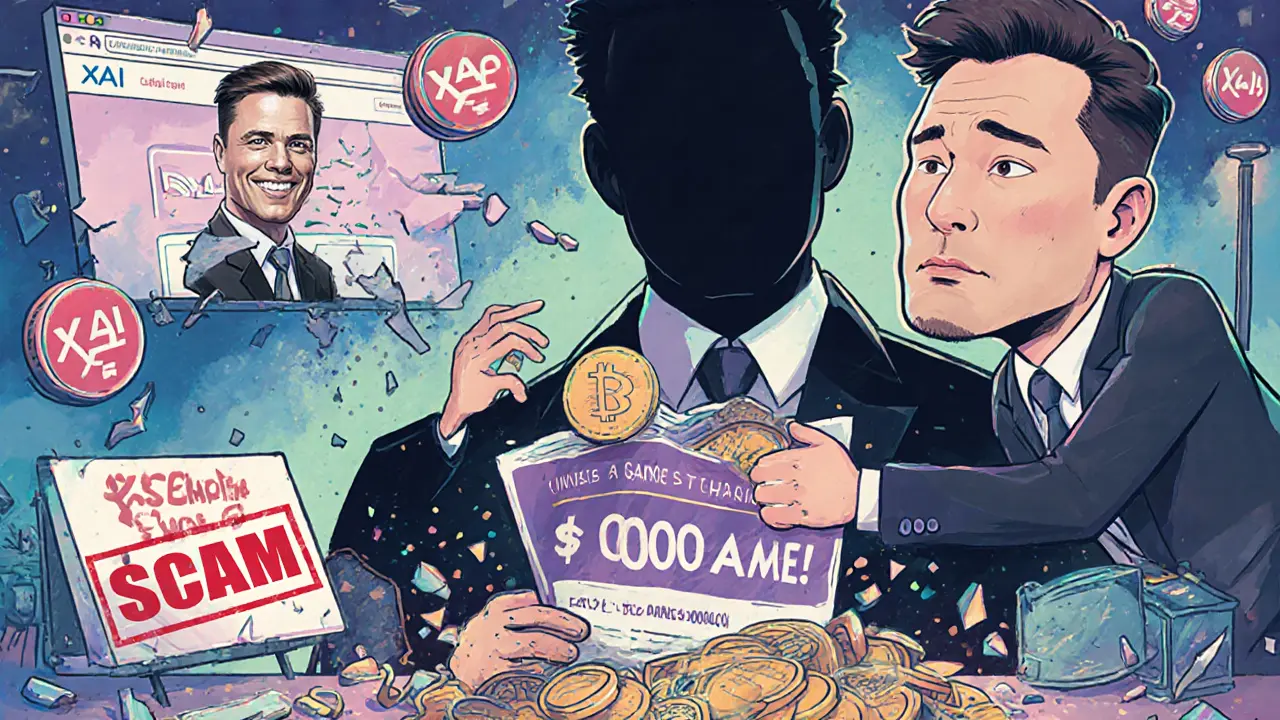
When you hear crypto scam, a deceptive scheme designed to steal cryptocurrency or personal information under false pretenses. Also known as crypto fraud, it’s not just a risk—it’s the norm for unvetted projects. Every week, someone loses money because they clicked a link, connected their wallet, or trusted a name that sounded official. The most common trick? A fake airdrop. You see a post saying "Get free RAIN tokens!" or "Claim your DOE NFTs now!" But if there’s no official announcement from CoinMarketCap, Rainmaker Games, or Dogs Of Elon, it’s a trap. Real airdrops don’t ask for your private key. They don’t send you a link to connect your wallet. They don’t rush you. They’re quiet, verified, and documented.
Then there’s the fake crypto exchange, a website that looks real but has no regulation, no user base, and no way to withdraw your funds. Think Barkis Blockchain Exchange or RicHamster—names you won’t find on Trustpilot, no reviews, no audits. These aren’t startups. They’re digital ghosts. They vanish the moment you deposit. Even exchanges like SatoExchange or BTLUX, which have a few users, are too risky for anyone who doesn’t already know what they’re doing. Why? Because they hide fees, block withdrawals, or list tokens with zero trading volume. And when you try to ask why, their support email bounces back.
Scammers don’t just copy names—they copy trust. They use logos from BakerySwap to push "BAKECOIN" airdrops. They steal project names like Kalata (KALA) and create fake websites that look identical to the real ones. The only difference? The URL. One extra letter. One misspelling. That’s all it takes. And if you’re not checking the official Twitter, Discord, or GitHub before you click, you’re already in danger. Even governments are catching on: the U.S. is seizing crypto from scammers, Singapore is shutting down unlicensed platforms, and India is banning crypto payments outright. Why? Because the damage is real. People lose life savings. Entire communities get wiped out by a single phishing link.
But here’s the good part: you don’t have to be a victim. Every post in this collection shows you exactly how scams work—so you can avoid them. From the RAIN airdrop that never existed to the TXL token that crashed 99.9%, these aren’t hypotheticals. These are real cases. You’ll see how Iranian miners stay safe while the grid fails, how Singapore’s rules protect users, and why a 1.7/5 Trustpilot rating should send you running. This isn’t theory. It’s a field guide to survival in a space built on deception. What you’re about to read will save you from losing money. Not someday. Today.