Crypto Payments in India: How It Works, What’s Legal, and Where to Start
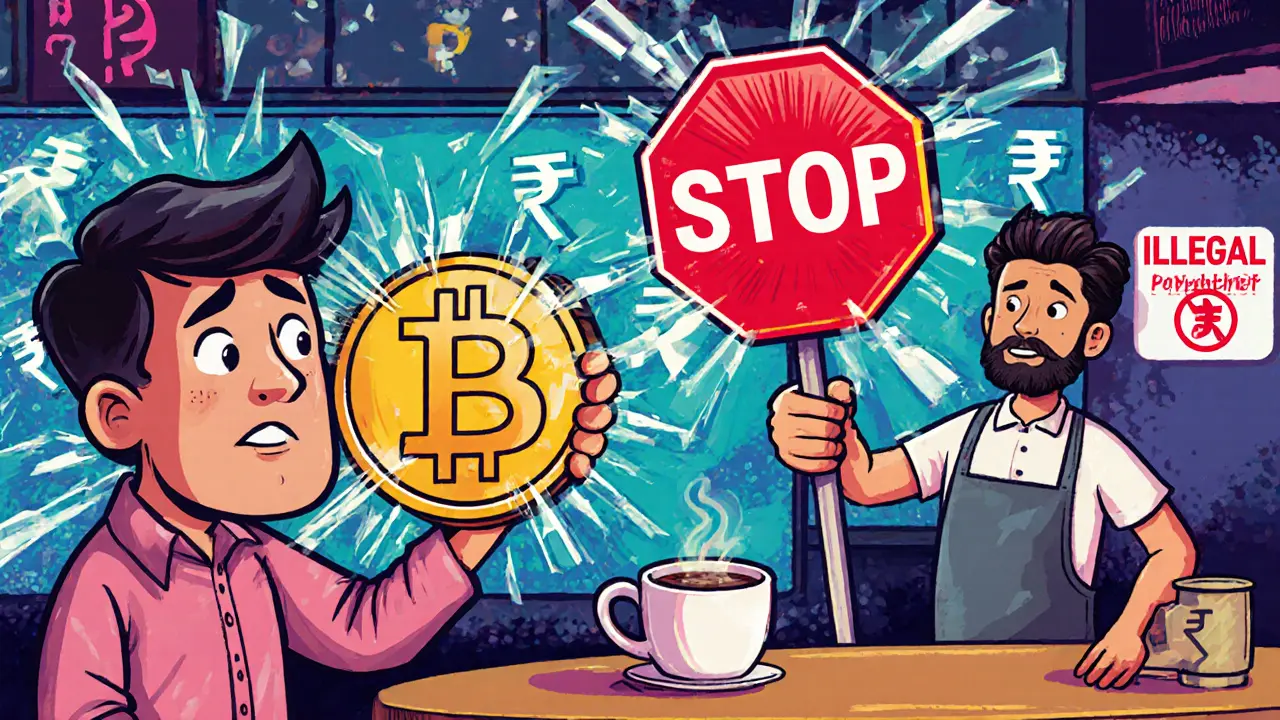
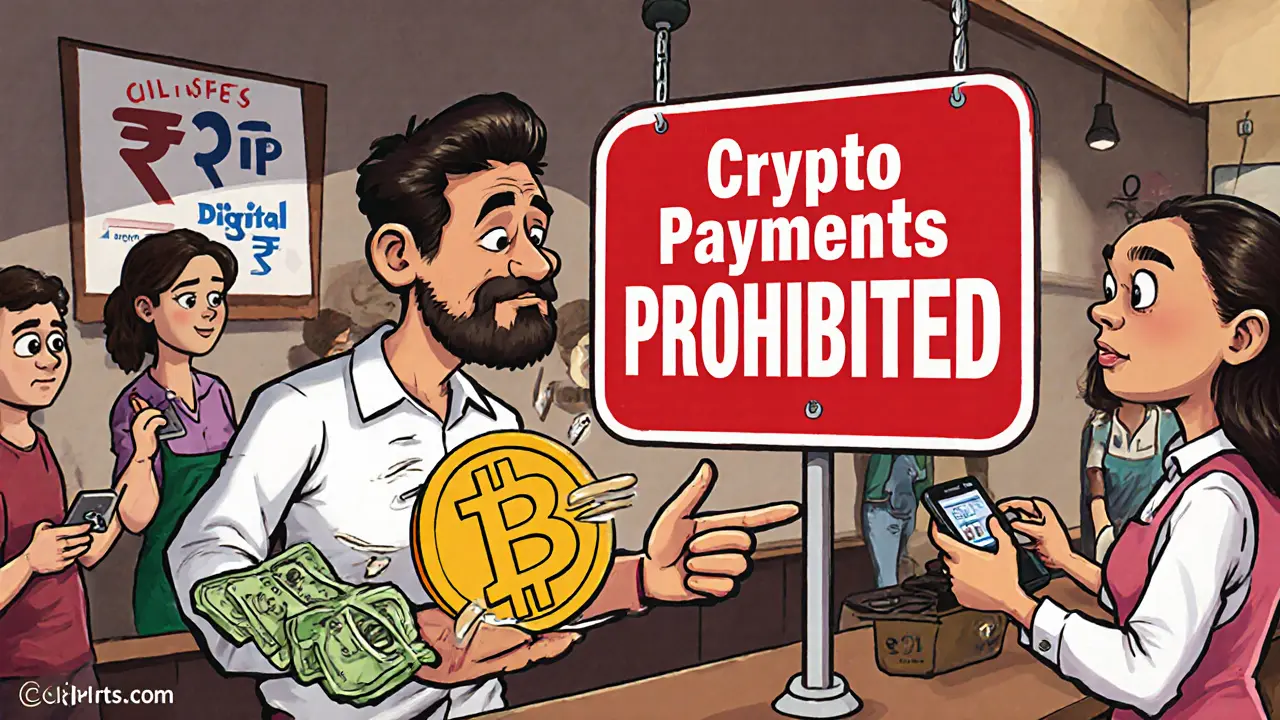
When you hear crypto payments India, the use of digital currencies like Bitcoin and Ethereum to buy goods and services within India. Also known as cryptocurrency transactions in India, it’s no longer just about speculation—people are using it to send money, pay freelancers, and even buy groceries. Unlike banks, crypto lets you move value directly, without middlemen. That’s why, even with unclear rules, adoption keeps climbing.
India’s crypto scene is messy but real. The Reserve Bank of India has never banned crypto, but it’s never fully approved it either. Banks still hesitate to work with crypto businesses, yet platforms like WazirX, CoinDCX, and ZebPay have millions of users. You can pay for web hosting, VPNs, or even meals at select cafes using Bitcoin. And with the digital rupee, India’s central bank digital currency (CBDC) being tested by the RBI in parallel, the government is clearly watching—and learning. Crypto payments in India aren’t about replacing the rupee yet, but they’re carving out space where traditional finance is slow or expensive.
What makes this different from other countries? In places like El Salvador, crypto is legal tender. In India, it’s a workaround. People use it to send money home from the Gulf, pay for overseas services without high wire fees, or protect savings from inflation. You won’t find Amazon accepting Bitcoin, but you’ll find freelancers on Upwork getting paid in USDT. Local exchanges let you convert crypto to INR in minutes, and peer-to-peer trading is thriving on platforms like Paxful and LocalBitcoins. The crypto regulation India, the evolving legal framework governing digital asset use and taxation in India is still being shaped, but one thing’s clear: if you’re in India and want to use crypto for payments, you’re not alone—and you’re not breaking the law, as long as you report your gains.
There’s no official list of approved crypto payment gateways, but the tools that work are simple: a wallet, a trusted exchange, and a merchant who accepts it. Some startups are building crypto invoicing tools for small businesses. Others are integrating QR codes so you can scan and pay with your favorite coin. And while the government hasn’t given the green light, it hasn’t shut it down either. That’s the current reality: crypto payments in India operate in a gray zone, but they’re active, growing, and used by real people every day.
Below, you’ll find honest reviews of exchanges used by Indian traders, deep dives into scams targeting crypto users here, and clear guides on how to stay safe while sending or receiving payments. No fluff. No hype. Just what works—and what to avoid.