
Most crypto airdrops are easy. You connect a wallet, follow an X account, and wait for free tokens to land in your inbox. The Phala Network is a privacy-preserving blockchain protocol that uses Trusted Execution Environments (TEEs) to secure smart contracts and data. airdrop is different. It demands actual work. Specifically, you have to run a miner node on hardware capable of Trusted Computing. This isn't just about clicking buttons; it's about contributing compute power to the network. If you are looking for a quick, zero-effort payout, this might not be for you. But if you have the technical know-how and compatible hardware, the 30 PHA reward could be worth the setup time.
As of mid-2026, the landscape around Phala has shifted significantly. The network is transitioning from its Polkadot parachain roots to an Ethereum Layer 2 infrastructure. This migration changes how the network operates and potentially impacts the long-term utility of the PHA token. Understanding these details is crucial before you spend hours configuring your machine. Let’s break down exactly what the airdrop entails, the technical hurdles you’ll face, and whether the reward justifies the effort.
How the Phala Network Airdrop Works
The core mechanism of the Phala airdrop is tied directly to network participation rather than social media engagement. To qualify, you must successfully run a Phala miner node. This process involves downloading specific mining software, executing designated commands via a command-line interface, and verifying your node’s operation by submitting screenshots as proof.
Once verified, participants receive exactly 30 PHA tokens. At current market prices hovering around $0.10 per token, this translates to roughly $3.00 in value. While this might sound low compared to major ecosystem drops worth hundreds of dollars, it’s important to view this as a testnet or early-stage incentive. The real value often lies in the potential for future rewards or increased token utility as the network matures.
| Feature | Detail |
|---|---|
| Token Reward | 30 PHA |
| Estimated Value | ~$3.00 USD (at $0.10/PHA) |
| Primary Requirement | Run a Miner Node with TEE support |
| Verification Method | Screenshot submission of successful node operation |
| Distribution Trigger | Activation of 'Darth Vader' pre-mainnet version |
| Referral Bonus | Additional tokens available via referral links |
A critical detail often overlooked is the distribution timeline. Rewards are contingent upon the activation of Phala's pre-mainnet version, codenamed 'Darth Vader.' There is no fixed date for this launch. This means your 30 PHA tokens might sit in limbo for months until the network decides to trigger the distribution. Patience is a required attribute for this campaign.
Technical Requirements: The Hardware Barrier
This is where most casual users drop out. Phala Network relies on Trusted Execution Environments are isolated areas within a CPU that provide a secure environment for processing sensitive data, ensuring code and data remain confidential even from the system administrator. (TEEs). This technology allows smart contracts to execute privately, which is Phala’s unique selling point. However, it also means your computer needs specific hardware capabilities.
You cannot simply spin up a virtual machine on any old laptop. Your processor must support Intel SGX (Software Guard Extensions) or AMD SEV (Secure Encrypted Virtualization). Most modern consumer CPUs from the last five years support this, but older machines or basic cloud instances might not. Before you start, check your CPU specifications. If your processor doesn’t list SGX or SEV compatibility, you won’t be able to run the node effectively, and thus, you won’t qualify for the airdrop.
Additionally, you need familiarity with command-line interfaces. The setup isn’t a one-click installer. You will likely need to navigate terminal windows, configure environment variables, and troubleshoot connection issues. For developers or tech-savvy crypto enthusiasts, this takes about 2-4 hours. For beginners, the learning curve can be steep. Community forums report mixed experiences, with some users facing hardware compatibility glitches that take days to resolve.

The Strategic Shift: From Polkadot to Ethereum L2
Understanding the network’s direction is vital for evaluating the long-term value of your PHA tokens. Phala Network originally launched its Token Generation Event (TGE) in September 2020 and operated as a parachain on Polkadot. However, the crypto landscape has evolved. As of late 2025, Phala faced a critical decision: its parachain slot was set to expire on November 20, 2025.
Rather than renewing on Polkadot, the community voted to migrate fully to Ethereum Layer 2 infrastructure. A new Layer 2 rollup launched in January 2025, marking the beginning of this transition. By mid-2026, this shift is largely underway. Why does this matter to you? Because token utility often follows network activity. Moving to Ethereum L2 gives Phala access to the broader Ethereum ecosystem, potentially increasing demand for PHA as a gas fee or staking asset. Conversely, leaving Polkadot means losing the native security and interoperability benefits of that chain.
Industry observers note that this architectural shift is risky but necessary. The privacy-focused blockchain sector is crowded. Competitors like Oasis Network (ROSE) and Akash Network (AKT) offer similar decentralized compute solutions. Phala’s move to Ethereum is a bet on liquidity and developer adoption. If successful, the PHA token could see appreciation beyond its current ~$77 million market cap. If the migration struggles, the token may stagnate.
Is the Phala Airdrop Worth Your Time?
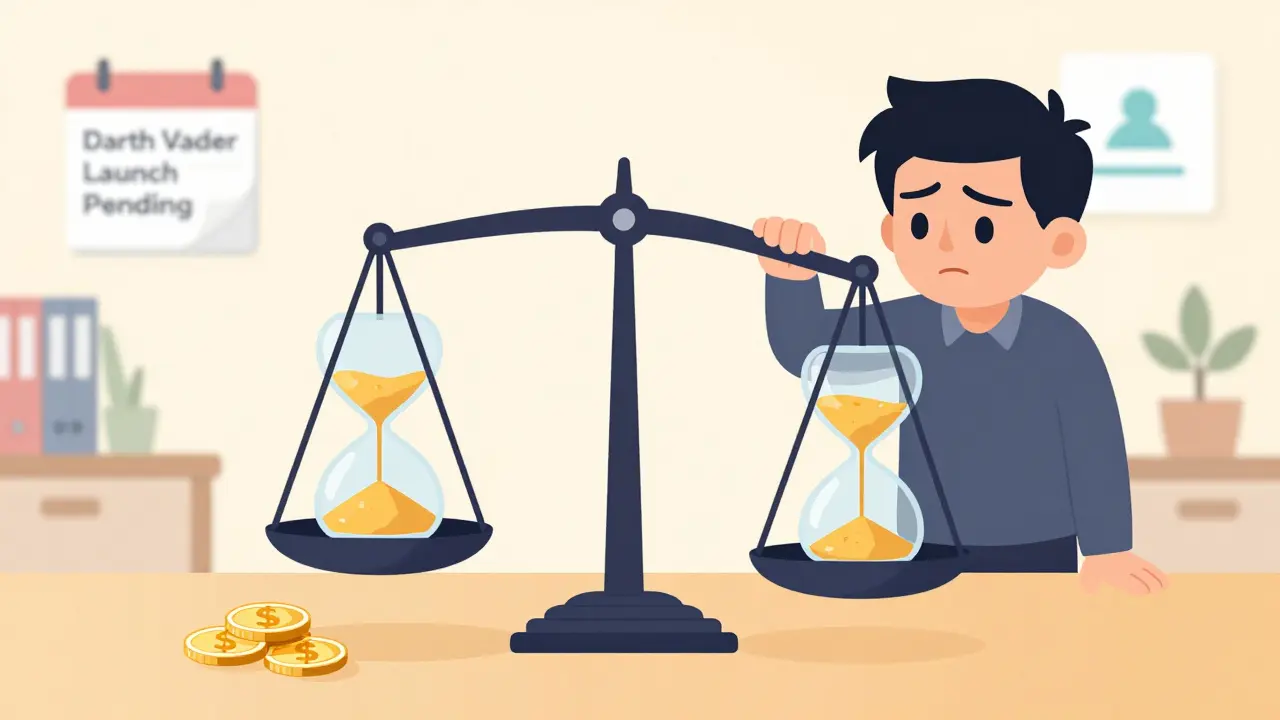
Let’s look at the numbers objectively. You invest 2-4 hours of setup time, plus ongoing monitoring to keep the node running. You need compatible hardware. In return, you get 30 PHA, worth approximately $3.00. On paper, that’s a terrible hourly wage.
However, crypto airdrops are rarely valued solely on their immediate fiat equivalent. Consider these factors:
- Referral Bonuses: If you refer others who successfully run nodes, you earn additional PHA. If you have a network of tech-savvy friends, the cumulative value can exceed the base reward.
- Future Utility: If Phala’s Ethereum L2 gains traction, PHA may be used for governance, staking, or paying for private compute services. Holding the token positions you for potential upside.
- Learning Experience: Running a TEE-enabled node is a valuable skill. Understanding how confidential computing works on-chain is relevant for developers in the Web3 space.
If you already have a compatible machine sitting idle and enjoy tinkering with Linux terminals, the marginal cost is near zero. In that case, claiming the 30 PHA is a no-brainer. But if you’re buying new hardware or spending weekends troubleshooting errors just to get $3, the opportunity cost is too high.
Step-by-Step Participation Guide
For those ready to proceed, here is the general workflow based on community reports and official documentation:
- Verify Hardware Compatibility: Check if your CPU supports Intel SGX or AMD SEV. Use tools like
cpuinfoon Linux or System Information on Windows to confirm. - Download Mining Software: Visit the official Phala Network GitHub repository or announcement channels to download the latest miner client. Avoid third-party links to prevent malware.
- Configure the Node: Follow the installation instructions. This usually involves setting up environment variables and initializing the node with your wallet address.
- Run the Node: Start the miner service. Ensure it connects to the network and begins processing tasks. Keep the window open or run it as a background service.
- Capture Proof: Take clear screenshots showing the node status, hash rate, and your wallet address. These are required for verification.
- Submit Verification: Upload your screenshots to the designated airdrop portal (often linked via platforms like AirdropBob or Airdrops.io). Double-check that your wallet address matches the one used in the node configuration.
- Wait for Distribution: Monitor official Phala channels for the 'Darth Vader' pre-mainnet launch announcement. Tokens will only be distributed after this milestone is reached.
Risks and Pitfalls to Avoid
While the airdrop itself is legitimate, the crypto space is rife with scams. Be cautious of fake websites claiming to offer "instant" PHA claims. The official process requires node operation; there is no shortcut. Additionally, be wary of phishing emails asking for your private keys. Phala Network will never ask for your seed phrase.
Another risk is the indefinite timeline. The 'Darth Vader' launch has been delayed multiple times. If you need immediate liquidity, holding onto unclaimed airdrop tokens is frustrating. Finally, consider the environmental impact. Running a node consumes electricity. Calculate your energy costs against the $3 reward to ensure it makes economic sense.
When will the Phala Network airdrop tokens be distributed?
Distribution is contingent on the launch of the 'Darth Vader' pre-mainnet version. As of mid-2026, no specific date has been announced. Participants should monitor official Phala Network social media channels and Discord servers for updates.
What hardware do I need to participate in the Phala airdrop?
You need a computer with a CPU that supports Trusted Execution Environments (TEE), specifically Intel SGX or AMD SEV. Most desktops and laptops manufactured between 2018 and 2026 support this feature. Cloud instances must also be configured with TEE capabilities.
How much is 30 PHA tokens worth?
At current market prices of approximately $0.10 per PHA, 30 tokens are worth around $3.00 USD. However, token prices fluctuate based on market conditions and the success of Phala's migration to Ethereum Layer 2.
Why is Phala Network moving from Polkadot to Ethereum?
Phala's parachain slot on Polkadot expired in November 2025. The community voted to migrate to Ethereum Layer 2 infrastructure to access greater liquidity, developer resources, and user base, aiming to enhance the network's long-term viability and token utility.
Can I use a smartphone to run a Phala miner node?
No. Smartphones generally lack the necessary operating system support and CPU architecture (Intel SGX/AMD SEV) required to run Phala's TEE-based miner nodes. You must use a desktop or laptop computer.
Are there referral bonuses for the Phala airdrop?
Yes. Participants can earn additional PHA tokens by referring others who successfully set up and verify their miner nodes. The exact bonus structure varies, so check the latest terms on the official airdrop page.