You’re scrolling through Twitter, maybe Reddit, and you see someone hyping up Oswap as the next big thing in decentralized finance. You click the link, expecting to trade some altcoins, but something feels off. The interface is bare-bones, the liquidity is thin, and when you try to find reviews, you hit a wall of silence. Here’s the uncomfortable truth most people miss: Oswap is likely not a major, established centralized exchange like Binance or Coinbase, but rather a niche Decentralized Exchange (DEX) aggregator or a potential typo for the security standard OWASP.
This confusion isn’t just annoying; it’s dangerous. In the crypto world, mistaking a small DEX for a secure vault can cost you your entire portfolio. Before you connect your wallet, let’s break down what Oswap actually is, why the name causes such mix-ups with the Open Web Application Security Project (OWASP), and how to determine if this platform is safe for your specific trading needs.
The Identity Crisis: Oswap vs. OWASP
First, we need to clear up the elephant in the room. If you searched "Oswap" and found articles about software security vulnerabilities, you weren’t hallucinating. There is a massive nonprofit called OWASP (Open Web Application Security Project). They publish the famous "Top 10" list of web security risks. Many beginners confuse the two because they sound identical.
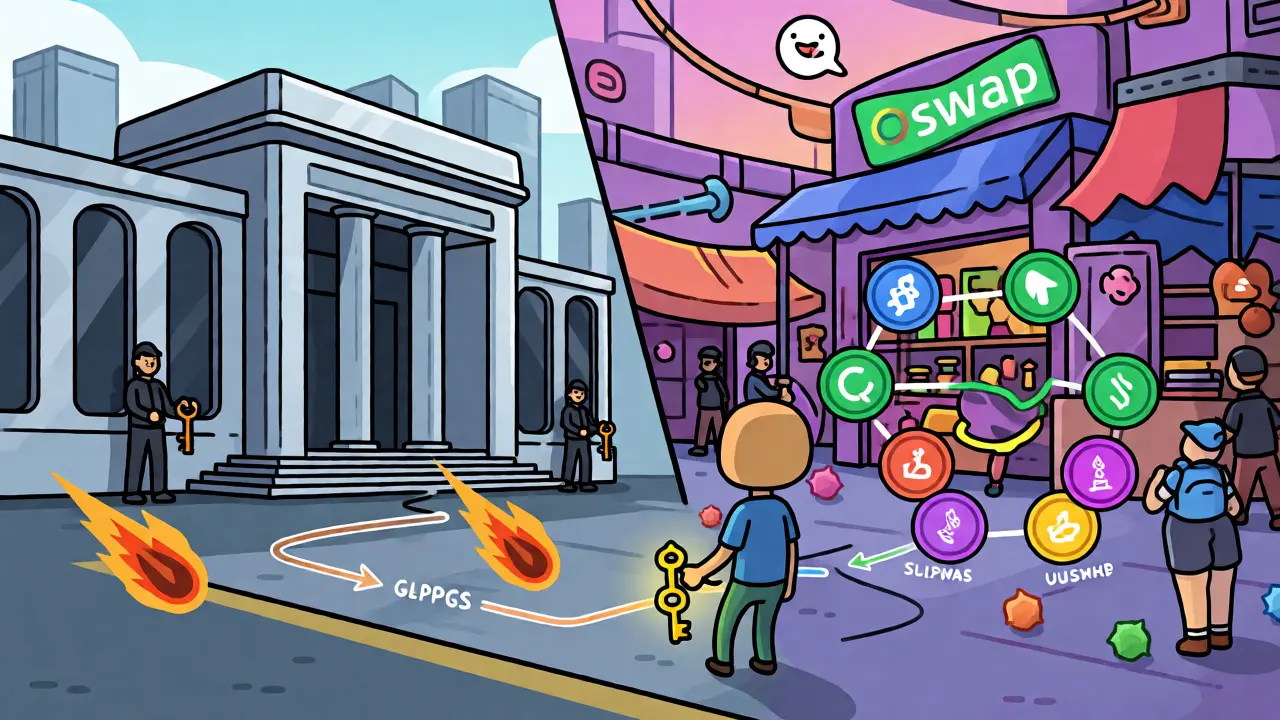
However, in the context of trading, Oswap refers to a Decentralized Exchange (DEX). Unlike centralized exchanges where you trust a company to hold your money, a DEX lets you trade directly from your own wallet using smart contracts. Oswap specifically operates as an aggregator on the Ethereum network. It scans multiple other exchanges to find you the best price. But here’s the catch: being an aggregator doesn’t automatically mean it’s the safest place to park your funds.
How Oswap Actually Works
Think of Oswap like Skyscanner for crypto. You don’t buy the ticket from Skyscanner; you use them to find the cheapest flight, then book it with the airline. Similarly, Oswap doesn’t always hold your assets long-term. It routes your trade through various Automated Market Makers (AMMs) like Uniswap or SushiSwap.
- Smart Contract Interaction: When you swap tokens, you are interacting with immutable code. If that code has a bug, no customer support team can fix it instantly.
- Gas Fees: Since it runs on Ethereum mainnet, you pay gas fees for every transaction. During network congestion, these fees can spike, making small trades unprofitable.
- No KYC: You typically don’t need to upload your passport. This is great for privacy but bad if you lose your seed phrase-there’s no "Forgot Password" button.
The user experience is often clunky compared to polished apps like Kraken or Bybit. You might encounter slippage issues where the price changes between the moment you click "Swap" and the moment the transaction confirms. For large trades, this slippage can eat into your profits significantly.
Security Risks: What the Experts Say
Let’s bring in the real-world data. The blockchain industry has lost billions due to hacks. According to recent data from SolidityScan’s Web3HackHub database, total losses from blockchain incidents have reached approximately $3.8 billion. These aren’t just market crashes; they are exploits of smart contract vulnerabilities.
This is where the confusion with OWASP becomes relevant. While OWASP isn’t an exchange, their standards apply to the code Oswap uses. The OWASP Blockchain AppSec Standard highlights critical risks like "Insecure Use of Cryptography." If a DEX like Oswap uses weak random number generators or improper key management, hackers can drain the liquidity pools. As of late 2024, the average time to discover a breach was around 200 days. That means a vulnerability could sit undetected for months while traders unknowingly expose their funds.
Does Oswap undergo regular audits? This is the first question you must ask. Major exchanges hire firms like CertiK or Hacken to audit their code. Smaller DEXs sometimes skip this step to save costs. Without a public audit report, you are essentially trusting anonymous developers with your life savings.
Pros and Cons of Using Oswap
| Feature | Oswap (DEX Aggregator) | Centralized Exchange (e.g., Coinbase) |
|---|---|---|
| Custody of Funds | User holds keys (Self-custody) | Exchange holds keys (Custodial) |
| Privacy | High (No KYC required) | Low (KYC mandatory) |
| Fees | Trading fee + High Gas Fees | Trading fee only (Lower network costs) |
| Asset Variety | Any ERC-20 token listed on AMMs | Limited to listed assets |
| Risk Profile | Smart contract bugs, User error | Exchange insolvency, Regulatory freeze |
The pros are clear if you value sovereignty. You never hand over your private keys. If the exchange goes bankrupt, your coins remain in your wallet. However, the cons are severe for beginners. One wrong click on a phishing site, and your funds are gone forever. There is no insurance fund to bail you out.
Who Should Use Oswap?
Honestly, most casual investors should probably look elsewhere. If you are buying Bitcoin once a month and holding for years, a centralized exchange or a hardware wallet setup is simpler and safer. Oswap shines for a specific type of trader: the DeFi power user who wants to access obscure tokens before they hit major exchanges.
If you decide to proceed, follow these strict rules:
- Start Small: Test the platform with a tiny amount of ETH. Ensure the withdrawal process works smoothly before committing significant capital.
- Check Liquidity: Look at the volume for the pair you want to trade. Low liquidity means high slippage.
- Verify the URL: Phishing sites love fake DEX interfaces. Bookmark the correct address immediately after verifying it via official social media channels.
The Verdict: Is Oswap Worth Your Time?
Oswap serves a purpose, but it’s a narrow one. It is not a "set it and forget it" platform. It requires active engagement, technical understanding, and a high tolerance for risk. The lack of widespread recognition compared to giants like Uniswap suggests it may struggle with liquidity depth. Furthermore, the constant confusion with OWASP indicates poor brand positioning, which can be a red flag for marketing-focused projects that lack substance.
If you are looking for ease of use, stick to reputable centralized exchanges. If you are a DeFi native who knows how to read a block explorer and understands smart contract risks, Oswap might offer better pricing on niche pairs. Just remember: in crypto, "not your keys, not your coins" applies even more strictly when you’re dealing with less-known aggregators. Always prioritize security features over potential price savings.
Is Oswap the same as OWASP?
No. Oswap is a cryptocurrency Decentralized Exchange (DEX) aggregator, while OWASP (Open Web Application Security Project) is a nonprofit foundation focused on improving software security standards. They are completely unrelated entities, though their similar names often cause confusion.
Does Oswap require KYC verification?
Generally, no. As a decentralized exchange, Oswap allows users to trade directly from their crypto wallets without uploading personal identification documents. However, regulatory environments vary by country, so always check local laws regarding DeFi usage.
What happens if I lose my private keys while using Oswap?
You lose access to your funds permanently. Since Oswap does not custody your assets, there is no customer support team that can reset your password or recover your account. You are solely responsible for securing your seed phrase and private keys.
Are there hidden fees on Oswap?
Besides the standard trading fee, you will pay Ethereum network gas fees for every transaction. Additionally, depending on the underlying liquidity pool used by the aggregator, you might incur slippage costs if the price moves significantly during your trade execution.
Is Oswap audited for security?
Audit status can change frequently for smaller DEXs. Always verify the latest audit reports on their official website or GitHub repository before depositing large amounts. Lack of a recent, reputable audit (e.g., by CertiK or Hacken) is a significant risk factor.