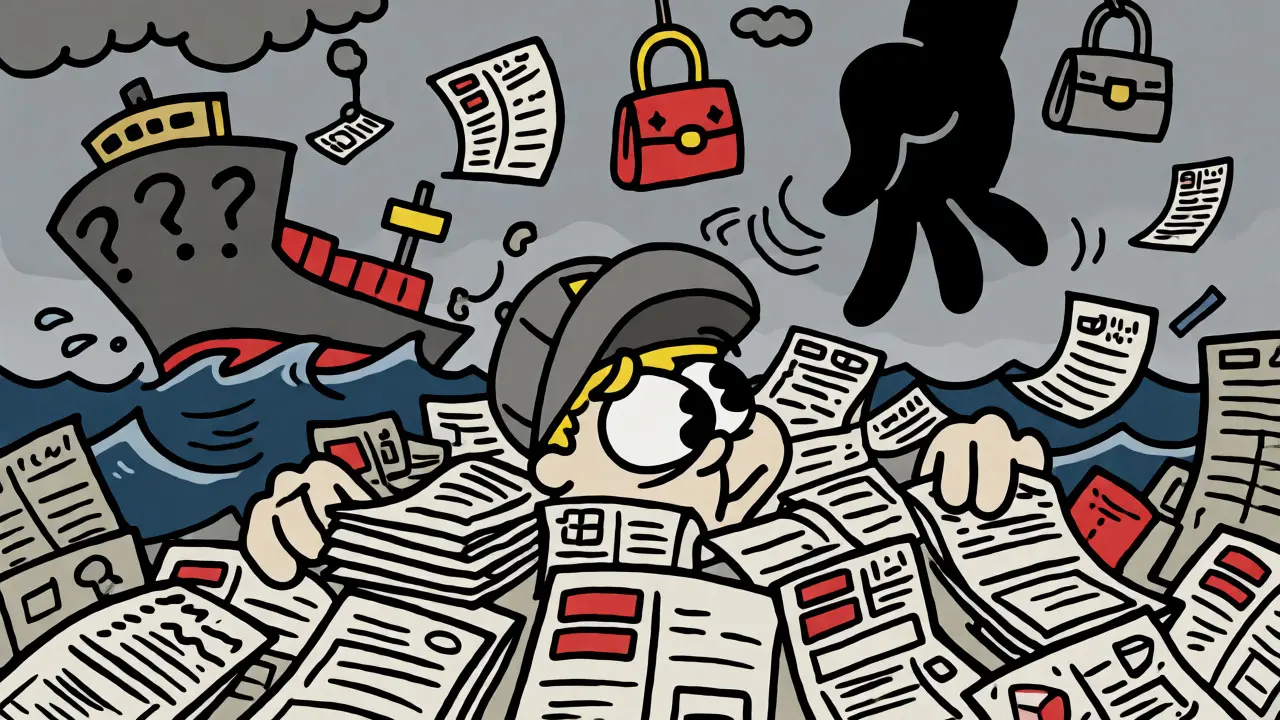
You buy a luxury handbag. The tag says it’s from Paris. But did the leather actually come from that specific tannery? Or was it swapped halfway through shipping? For decades, global trade has operated on a trust-based system that is riddled with holes. Counterfeiting alone drains over $400 billion from the economy every year. That is not just lost revenue; it is a crisis of confidence.
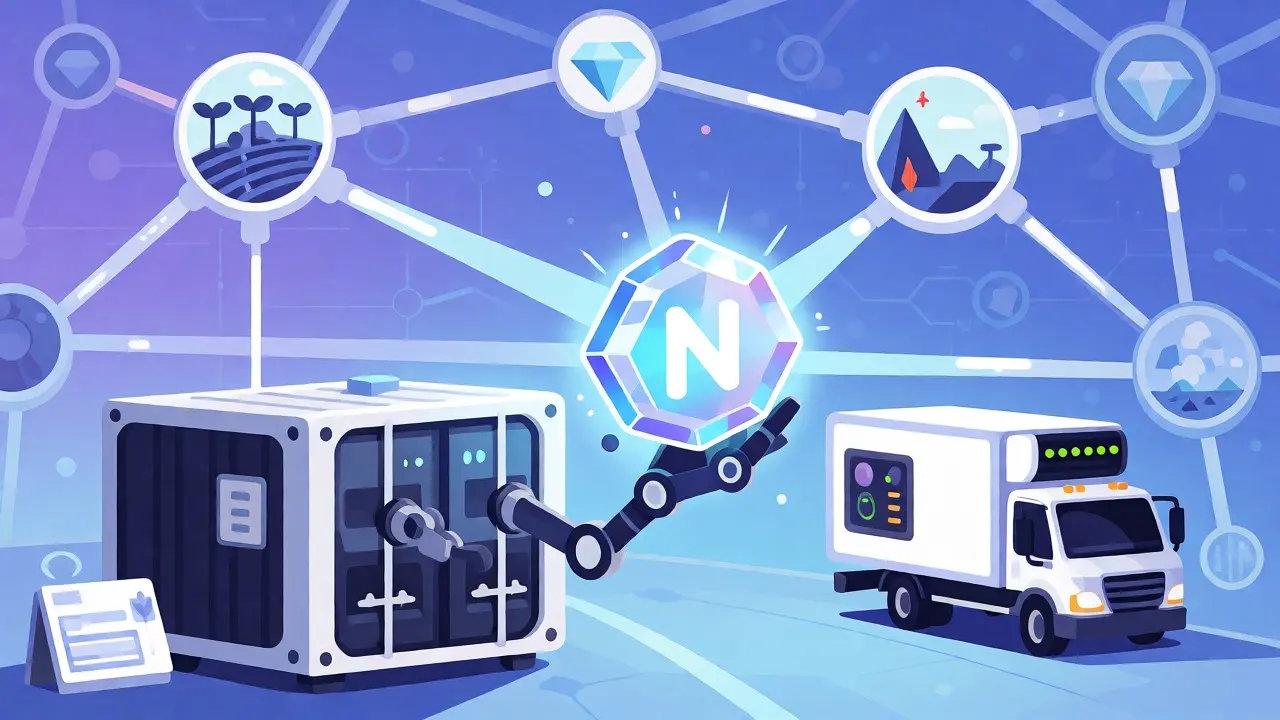
Enter NFTs in global supply chains. Forget the expensive monkey pictures for a second. In this context, Non-Fungible Tokens are unique digital identities assigned to physical products. They travel with the goods, recording every move from raw material extraction to your doorstep. This isn’t sci-fi. It is happening now, with major players like LVMH and De Beers already using these tools to verify authenticity and streamline logistics.
The Core Problem: Why Paper Trails Fail
Traditional supply chains rely on paperwork. Bills of lading, certificates of origin, invoices. These documents can be forged, lost, or misfiled. When the Rana Plaza factory collapsed in 2013, revealing horrific working conditions, many retailers didn’t even know their clothes were made there. The paper trail existed, but it wasn’t transparent enough to prevent disaster.
Blockchain technology solves this by creating an immutable ledger. Once data is entered, it cannot be changed without consensus from the network. An NFT acts as the key to this record. Unlike fungible tokens (like Bitcoin), where one unit is identical to another, an NFT is unique. It holds specific data about that exact pair of shoes or that specific diamond.
This shift moves us from "trust me" to "verify me." It reduces bottlenecks by up to 37% in pilot programs because stakeholders no longer need to chase down emails to confirm if a shipment cleared customs. The data is there, visible to all authorized parties, in real-time.
How It Actually Works: Tech Meets Logistics
Implementing this isn’t as simple as buying a token. It requires a stack of technologies working together. At the base is the blockchain, often Ethereum or enterprise platforms like Hyperledger Fabric. Above that sits the NFT standard, typically ERC-721, which defines how the token behaves.
But the token itself doesn’t store heavy video files or high-res images directly on the chain-that would be too expensive. Instead, it points to data stored on systems like the InterPlanetary File System (IPFS). Think of IPFS as a decentralized hard drive. The NFT contains a hash, a unique fingerprint, pointing to this data. If someone tries to alter the file, the hash changes, and the link breaks. You know immediately something is wrong.
Integration is the tricky part. Companies must connect these blockchain networks with existing Enterprise Resource Planning (ERP) systems and IoT sensors. For example, a temperature sensor in a refrigerated truck sends data to the blockchain. If the temperature spikes, the NFT updates its status to "compromised." This automation reduces manual entry errors and speeds up verification from days to seconds.
Real-World Applications: More Than Just Luxury Goods
While luxury brands get the headlines, the utility extends far deeper. Here is where NFTs are making actual money and saving time:
- Counterfeit Reduction: Brands like Gucci and Rolex use NFTs to prove authenticity. Scanners at retail stores can verify the token against the blockchain. This has reduced counterfeits by 31% for early adopters.
- Ethical Sourcing: Consumers increasingly pay more for verified ethical products. Data shows items with tamper-proof origin records command 22-47% higher prices. A coffee bean’s journey from farm to cup becomes verifiable proof of fair labor practices.
- Smart Contract Payments: Traditional invoicing is slow. Smart contracts automate payments. When GPS coordinates confirm a container arrived at the port, the payment releases automatically. One retailer saw a 44% drop in payment processing time.
- Digital Warranties: Lost receipts are a pain. An NFT can hold the warranty information. Transfer the ownership of the NFT when you sell the item, and the warranty transfers too. This increases resale value by up to 15% and cuts fraud by 76%.
A standout case is De Beers’ Tracr platform. They track diamonds from mine to retail. Since full implementation, they report zero counterfeit incidents. That level of certainty is priceless in an industry plagued by synthetic stones passed off as natural.
The Cost-Benefit Analysis: Is It Worth It?
Let’s be honest: implementing blockchain isn’t cheap. Pilot projects can cost between $250,000 and $2.3 million depending on complexity. Transaction fees on public blockchains like Ethereum have historically ranged from $0.15 to $2.50 per verification. While Layer-2 solutions are driving this down to pennies, the initial integration hurdle remains high.
So, who benefits most? High-value goods. If you are selling $10 socks, the cost of tracking each pair via NFT might outweigh the benefit. But for pharmaceuticals, aerospace parts, or fine wine, the stakes are different. The EU’s Digital Product Passport initiative, effective 2027, will mandate digital traceability for many products. Early adopters won’t just gain efficiency; they will ensure regulatory compliance before others scramble to catch up.
| Feature | Traditional Paper/Electronic | NFT-Based Blockchain |
|---|---|---|
| Traceability Accuracy | Variable, prone to human error | 92% improvement reported |
| Data Verification Time | Days to weeks | Seconds |
| Counterfeit Risk | High ($400B annual loss globally) | Reduced by ~31% in pilots |
| Implementation Cost | Low upfront, high operational friction | High upfront ($250k+), lower long-term ops |
| Regulatory Compliance | Manual audits required | Automated monitoring (58% fewer violations) |
Challenges and Pitfalls to Avoid
Not every company succeeds. Industry analysts note that 68% of failed implementations happen because companies try to use tech for tech’s sake. They tokenize low-value commodities where the cost exceeds the benefit. Another major hurdle is interoperability. If your supplier uses Hyperledger and you use Ethereum, getting them to talk to each other requires specialized middleware.
There is also the issue of "garbage in, garbage out." The blockchain ensures data hasn’t been altered after entry. It does not guarantee the data was true when entered. If a corrupt official marks a bad batch of food as "good" before scanning it onto the chain, the NFT faithfully records a lie. Physical-digital bridges, like tamper-evident seals linked to NFC chips, are critical to solving this.
The Road Ahead: 2026 and Beyond
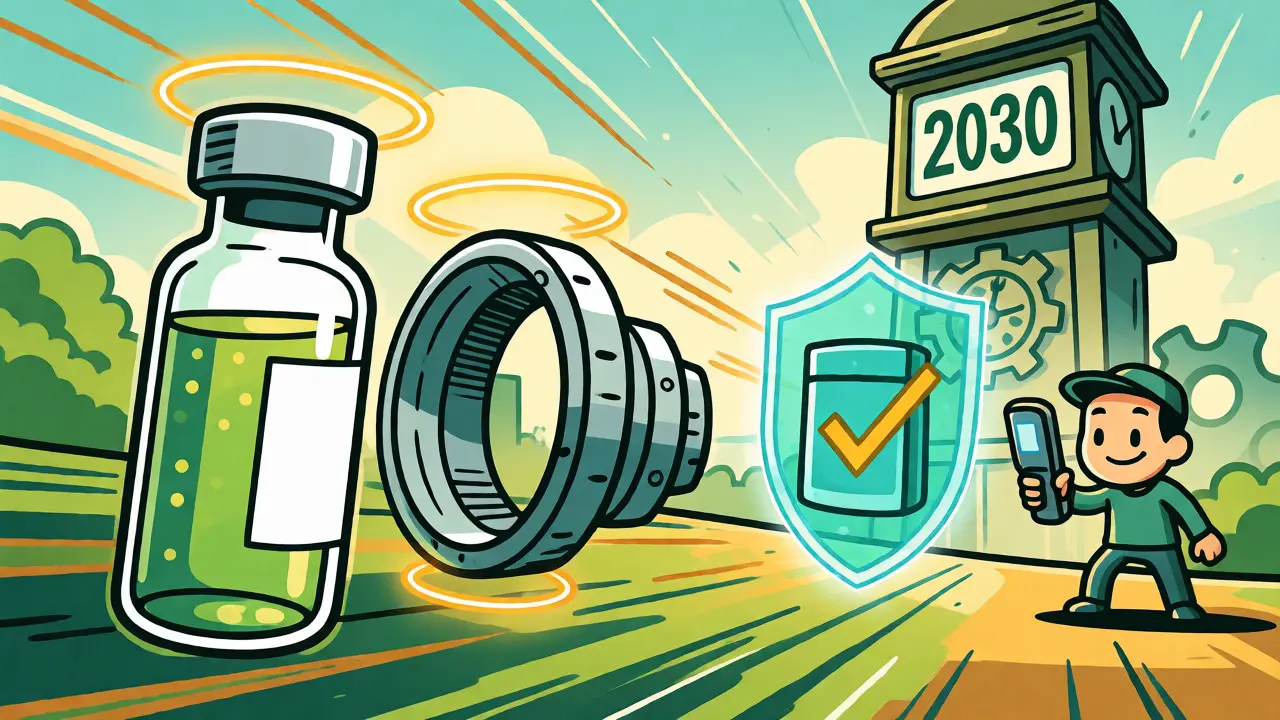
We are currently in the adoption phase. By 2028, experts predict NFTs will become standard for high-value goods. By 2030, they may be mandatory for regulated industries like pharma. The market for supply chain blockchain is projected to hit $39.45 billion by 2030, growing at nearly 40% annually.
What’s next? Integration with AI. Imagine a supply chain that predicts delays based on weather patterns and automatically reroutes shipments via smart contracts. Or IoT networks creating autonomous supply chains where machines negotiate with machines. The fragmentation of platforms is likely to decrease, with consolidation expected to cut competing platforms by half within two years.
If you run a business dealing in high-stakes goods, waiting might be the riskiest option. The infrastructure is being built now. Those who wait for perfection will find themselves playing catch-up in a market that values speed and transparency above all else.
Are NFTs only useful for luxury goods?
No, while luxury brands adopted them first due to high counterfeit risks, sectors like pharmaceuticals, aerospace, and food safety are rapidly adopting NFTs for compliance and traceability. The key factor is the value of the asset relative to the cost of tracking.
How do NFTs help with sustainability claims?
NFTs create an immutable record of a product's journey, including carbon footprint data collected via IoT sensors. This prevents "greenwashing" because consumers and regulators can verify the environmental impact data directly from the source, rather than trusting a marketing brochure.
What happens if the physical product is damaged?
The NFT status can be updated to reflect damage. Smart contracts can trigger insurance claims or refunds automatically if sensors detect extreme temperatures or impacts during transit. The digital twin reflects the physical reality in near real-time.
Is this compatible with existing ERP systems?
Yes, modern blockchain solutions offer API integrations with major ERP providers like SAP and Oracle. However, legacy systems may require custom middleware. Most successful implementations involve a phased approach, starting with pilot projects before full-scale integration.
Who owns the data stored in the NFT?
Ownership depends on the smart contract structure. Typically, the manufacturer creates the NFT, but ownership transfers to the consumer upon purchase. Access rights can be granular; for example, a regulator might have read-only access to compliance data, while the brand retains control over marketing metadata.