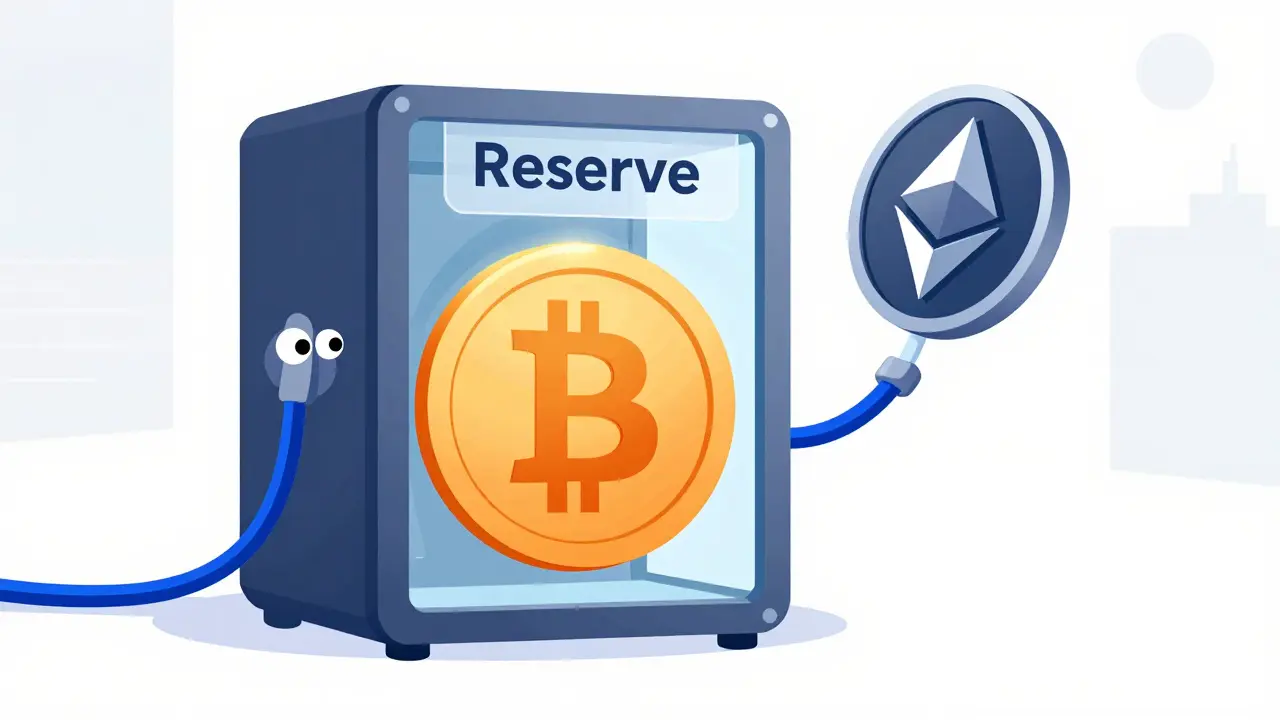
Imagine trying to spend your Bitcoin at a coffee shop that only accepts Ethereum. It sounds impossible, right? That is exactly the problem wrapped token supply and reserves solve. In the decentralized finance (DeFi) world, blockchains like Bitcoin and Ethereum don't talk to each other natively. To bridge this gap, we wrap native assets into tokens that can live on foreign chains. But here is the catch: if you hold $10,000 worth of wrapped Bitcoin, there better be $10,000 worth of real Bitcoin sitting in a vault somewhere backing it up. If that link breaks, your asset becomes worthless paper.
This article cuts through the jargon to explain how these systems work, who holds the keys to the kingdom, and why the integrity of reserves is the single most important factor for your security. We will look at the mechanics of minting and burning, compare the custodial models against decentralized alternatives, and examine what recent regulatory shifts mean for the future of cross-chain assets.
The Mechanics of Minting and Burning
To understand wrapped token supply, you first need to understand the lifecycle of a wrapped asset. It isn't magic; it's a strict accounting process. The system relies on two primary actions: minting and burning. When you want to use Bitcoin on Ethereum, you don't move your BTC to the Ethereum blockchain. Instead, you lock it up, and a new token is created.
- Minting (Locking): You send your native Bitcoin to a designated merchant or custodian wallet. This action locks the BTC so it cannot be spent on the Bitcoin network.
- Verification: The custodian confirms receipt of the funds. In robust systems, this triggers an automated or semi-automated approval process.
- Issuance: An equivalent amount of wrapped tokens (like WBTC) is minted on the target blockchain (Ethereum) and sent to your address. The ratio is strictly 1:1.
- Burning (Unwrapping): When you are done using the asset in DeFi, you send the wrapped tokens back to a burn address. The smart contract destroys them, and the custodian releases the underlying Bitcoin to your wallet.
The critical rule here is simple: the total supply of wrapped tokens in circulation must never exceed the amount of native assets held in reserve. If someone mints 1 million WBTC but only 900,000 BTC are in the vault, the peg breaks. Trust evaporates. Price crashes. This is why the transparency of the reserve is non-negotiable.
Who Holds the Keys? Custody Models Explained
Not all wrapped tokens are created equal. The way reserves are managed defines the risk profile of the asset. Currently, the market is split between three main approaches, each with distinct trade-offs regarding trust, speed, and decentralization.
| Model Type | Example | Custodian Structure | Transparency Level | Primary Risk |
|---|---|---|---|---|
| Custodial DAO | WBTC | Centralized firm (e.g., BitGo) governed by a multi-sig DAO | High (Monthly Audits) | Single point of failure / Regulatory seizure |
| Decentralized Network | renBTC | Distributed nodes (RenVM) holding shares of keys | Medium (On-chain proofs) | Technical complexity / Node collusion |
| Centralized Exchange | BTCB (Binance) | Exchange internal ledger | Low (Opaque) | Counterparty risk / Insolvency |
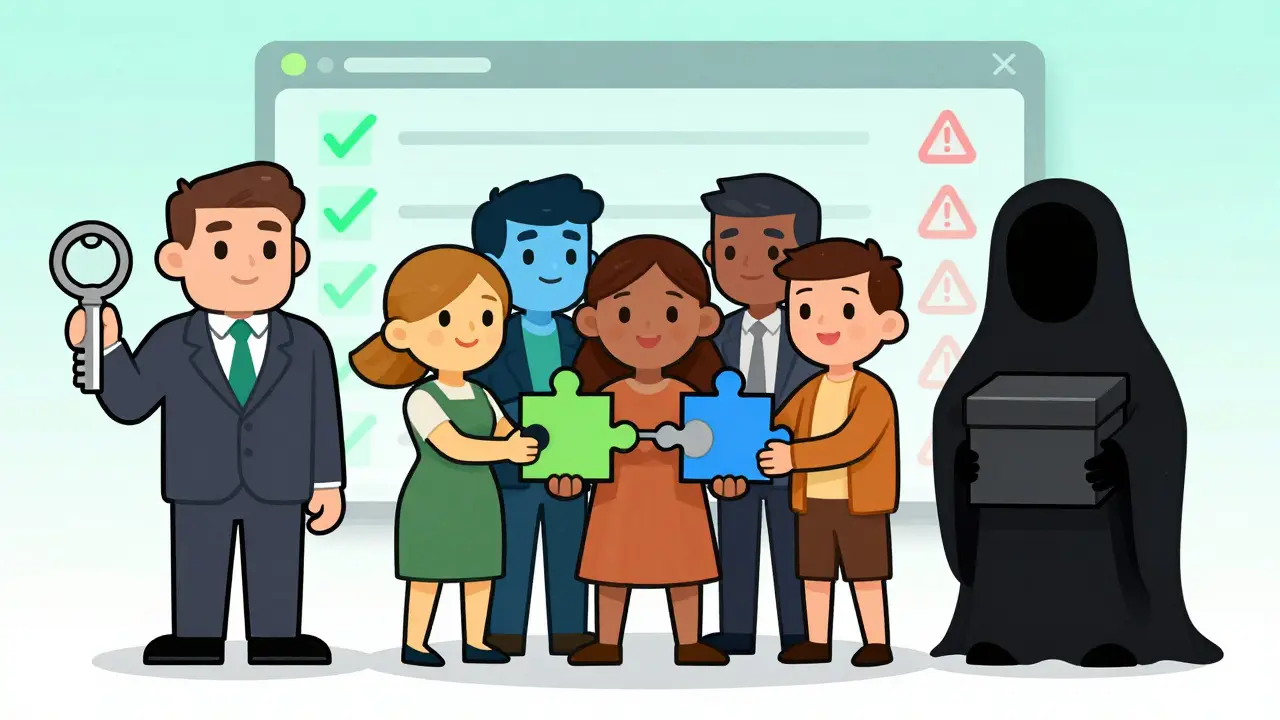
The dominant player, Wrapped Bitcoin (WBTC), uses a custodial model. BitGo acts as the primary custodian, holding the actual Bitcoin in cold storage. However, BitGo doesn't act alone. A Decentralized Autonomous Organization (DAO) consisting of 15 entities-including major players like Ledger, Kyber, and Ren-governs the system. They collectively manage permissions for merchants and custodians. This structure aims to balance institutional-grade security with community oversight.
In contrast, projects like renBTC attempt to remove the centralized custodian entirely. They use a virtual machine called RenVM where multiple nodes hold fragments of the private keys. No single entity can steal the funds. While this aligns better with crypto philosophy, it introduces higher technical complexity and has historically faced challenges with node uptime and efficiency. For the average user, the choice often comes down to trusting a regulated corporation with audited books versus trusting a complex code-based consensus mechanism.
Verifying the Reserves: Proof of Backing
You might ask, "How do I know they actually have the Bitcoin?" In the early days of crypto, you mostly had to take their word for it. That era ended after the collapses of Terra/Luna and FTX in 2022. Today, reserve verification is the cornerstone of wrapped token credibility.
For WBTC, the process is rigorous. Every month, the accounting firm Armanino conducts an attestation. They verify that the number of WBTC tokens in circulation matches the Bitcoin held in BitGo’s wallets. These reports are public. You can read them yourself. This level of transparency is rare in traditional finance but becoming standard in DeFi. According to data from 2024, properly implemented systems with regular attestations maintain supply/reserve parity within 0.01% variance.
However, audits are snapshots in time. They tell you what happened on a specific day. They don't necessarily protect you from a hack occurring between audits. This is why newer technologies are being integrated. Chainlink, for example, has introduced oracle solutions that provide real-time, on-chain proof of reserves. By feeding external data directly into smart contracts, these systems can theoretically halt minting if reserves dip below a certain threshold, adding a layer of automated safety net.
Why Wrapped Tokens Matter for DeFi
So why go through all this trouble? Why not just keep your Bitcoin in its native wallet? The answer is utility. Bitcoin is secure, but it is slow and lacks programmability. It cannot interact with lending protocols, decentralized exchanges, or yield farming strategies on Ethereum.
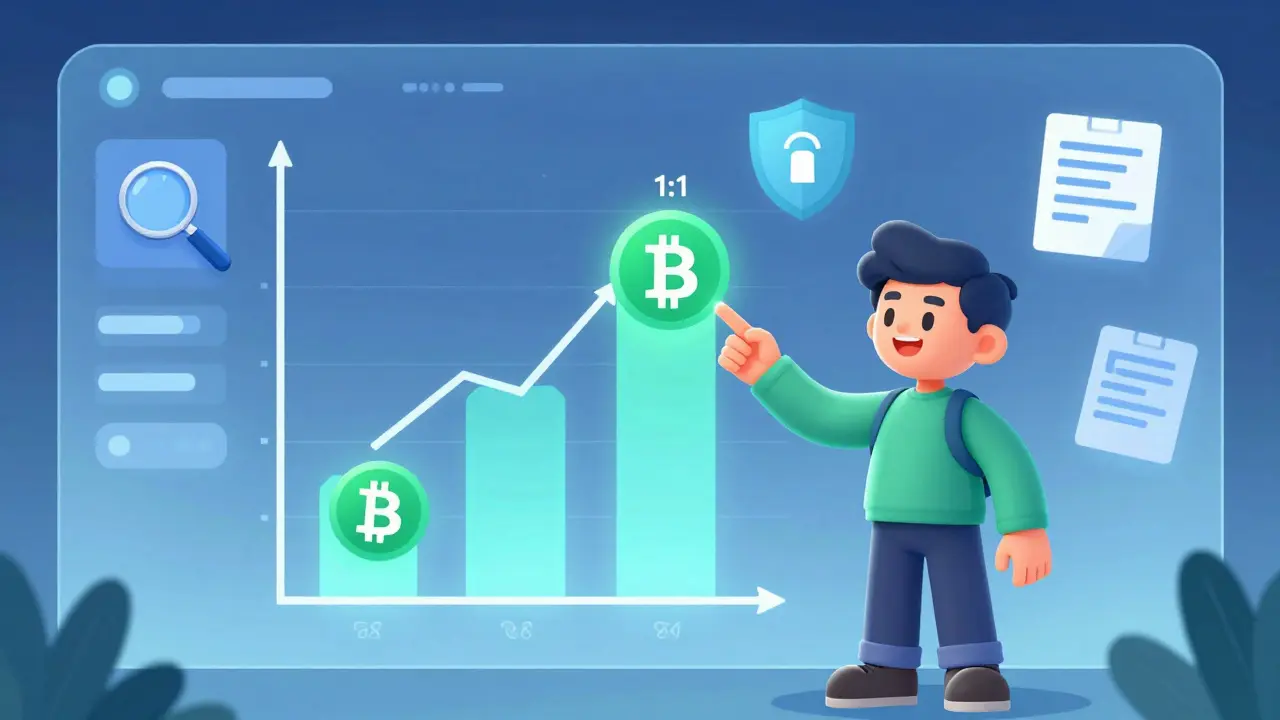
By wrapping Bitcoin, you unlock its liquidity. As of late 2024, the total value locked in wrapped assets across all chains exceeded $25 billion. WBTC alone commands roughly 90% of the wrapped Bitcoin market. This allows institutions and retail investors alike to use their Bitcoin holdings as collateral to borrow stablecoins, earn interest, or provide liquidity without selling their long-term BTC position. It turns a static store of value into an active financial tool.
Consider a scenario where you own 1 BTC. You wrap it into WBTC, deposit it into a protocol like Aave, and borrow USDC against it. You now have cash flow for expenses while still maintaining exposure to Bitcoin's price appreciation. Without wrapped tokens, you would have to sell your BTC, losing potential upside and triggering tax events. Wrapped tokens preserve economic integrity while expanding functional reach.
Risks and Vulnerabilities to Watch
Despite the benefits, wrapped tokens are not risk-free. In fact, they introduce several new attack vectors that native assets do not face. Understanding these risks is crucial before you mint any wrapped asset.
- Custodial Risk: If the custodian goes bankrupt, gets hacked, or faces legal seizure, your wrapped token may become illiquid. During the FTX collapse in 2022, users found themselves unable to unwrap certain assets because the exchange froze withdrawals. This highlights the danger of opaque reserve structures.
- Smart Contract Risk: The code governing the minting and burning process lives on the blockchain. If there is a bug in the smart contract, attackers could drain reserves or mint infinite tokens. Regular audits by firms like CertiK help mitigate this, but zero-day vulnerabilities remain a threat.
- Network Congestion: Wrapping and unwrapping involve transactions on both the source and target chains. During periods of high volatility, gas fees on Ethereum can spike, making the process expensive. Delays in confirmation can also cause temporary mismatches in supply, leading to panic among users.
- Regulatory Uncertainty: Governments are paying close attention. The EU’s MiCA framework, effective January 2025, requires monthly third-party attestations for wrapped assets operating in European jurisdictions. The SEC in the US has classified some wrapped tokens as securities if they lack proper backing. Regulatory crackdowns on custodians could disrupt the entire ecosystem.
Expert analysis from Vitalik Buterin suggests that custodial wrapped tokens are a "necessary evil" until trustless cross-chain bridges mature. He advocates for moving toward fully decentralized solutions that eliminate the need for a central custodian altogether. Until then, users must accept a degree of counterparty risk.
The Future: Moving Toward Trustless Bridges
The industry is actively working to solve the centralization problem. The Ethereum Foundation is funding research into account abstraction (EIP-4337) and trustless bridging mechanisms. The goal is to create a system where assets can move between chains without ever being locked by a third party.
We are already seeing shifts. WBTC announced plans in mid-2024 to migrate to a multi-custodian model, reducing reliance on BitGo as the sole holder of keys. This distributes risk across multiple institutions, making it harder for any single point of failure to compromise the system. Additionally, Layer 2 scaling solutions are beginning to support native asset representation more efficiently, potentially reducing the need for heavy wrapping processes.
By 2026, analysts predict that wrapped token supply will grow to $41 billion, driven largely by institutional adoption. Banks and hedge funds are entering DeFi, and they demand the highest levels of security and compliance. This influx of capital is forcing wrapped token providers to upgrade their infrastructure, improve transparency, and adopt stricter governance standards.
Practical Tips for Users
If you decide to use wrapped tokens, follow these best practices to protect your assets:
- Check the Attestations: Before buying any wrapped token, look for recent audit reports. If you can't find independent verification of reserves, walk away.
- Understand the Custodian: Know who holds the keys. Are they a reputable institution with insurance? Or is it an unknown entity?
- Monitor Gas Fees: Timing matters. Minting or burning during peak network congestion can cost hundreds of dollars in fees. Use tools like Etherscan to check current gas prices.
- Diversify Your Exposure: Don't put all your capital into one type of wrapped asset. Spread risk across different protocols and chains.
- Keep Track of Tax Implications: In many jurisdictions, converting BTC to WBTC is considered a taxable event. Consult a tax professional to avoid surprises.
Wrapped tokens are a powerful tool that bridges isolated blockchain ecosystems. They enable innovation and liquidity that wouldn't otherwise exist. But they require vigilance. The convenience of cross-chain compatibility comes with the responsibility of due diligence. Always verify the reserves, understand the custody model, and stay informed about regulatory changes. Your digital assets are only as safe as the system backing them.
What happens if a wrapped token loses its peg?
If a wrapped token loses its peg, it means the market price of the wrapped token deviates significantly from the price of the underlying asset. This usually happens due to a loss of confidence in the reserves, a hack, or a failure in the redemption mechanism. Traders may rush to sell the wrapped token, causing a fire sale. In severe cases, like the TerraUSD crash, the token can become worthless. Always monitor the reserve ratios and be prepared to exit if transparency issues arise.
Is WBTC safer than holding native Bitcoin?
No, WBTC introduces additional risks compared to holding native Bitcoin in a self-custodied wallet. With native Bitcoin, you control the private keys, and there is no counterparty risk. With WBTC, you rely on a custodian (BitGo) and a DAO to hold the underlying BTC securely. If the custodian is hacked or regulated out of business, your access to the underlying asset could be compromised. Native Bitcoin is always the safest option for long-term storage.
How long does it take to mint or burn wrapped tokens?
The time varies depending on the network and the provider. For WBTC, the process typically takes 30 to 60 minutes under normal conditions. This includes the time for Bitcoin confirmations, merchant verification, and DAO approval. During periods of high network congestion or if manual review is required, it can take several hours. Decentralized alternatives like renBTC may be faster but often carry higher transaction costs or technical risks.
Are wrapped tokens legal?
The legality of wrapped tokens depends on your jurisdiction. In the United States, the SEC has scrutinized certain wrapped tokens, potentially classifying them as securities if they represent an investment contract. In the European Union, the MiCA regulation provides a clearer framework, requiring strict reserve attestations for issuers. Generally, using wrapped tokens is not illegal, but the entities issuing them face increasing regulatory pressure. Always check local laws before engaging with cross-chain assets.
Can I lose money if the custodian goes bankrupt?
Yes, this is a significant risk in custodial models. If the custodian holding the underlying assets goes bankrupt, those assets may be frozen by creditors or seized by courts. Even if the wrapped token exists on the blockchain, you may not be able to redeem it for the native asset. This happened partially during the FTX collapse. To mitigate this, choose wrapped tokens with transparent, multi-signature custody solutions and regular third-party audits.