
Imagine holding a valuable asset that’s locked in one room, while all the interesting parties are happening in another. That was the situation for Bittensor, a decentralized network for machine learning holders before Wrapped TAO (WTAO), an ERC-20 token representing native TAO on Ethereum came into play. If you’ve ever wondered why your TAO can’t just sit in an Ethereum wallet or earn yield on Aave, this is the answer. WTAO isn’t a new coin with its own blockchain; it’s a digital receipt proving you own TAO, but formatted so Ethereum understands it.
The core problem WTAO solves is isolation. The native TAO token lives on the Subtensor chain, which is built on Polkadot’s Substrate SDK. It’s great for AI model training and decentralized intelligence, but it doesn’t talk to Ethereum. Ethereum, however, hosts billions of dollars in decentralized finance (DeFi) protocols. WTAO acts as the translator, letting you move value between these two worlds without selling your original asset.
How Wrapped TAO Actually Works
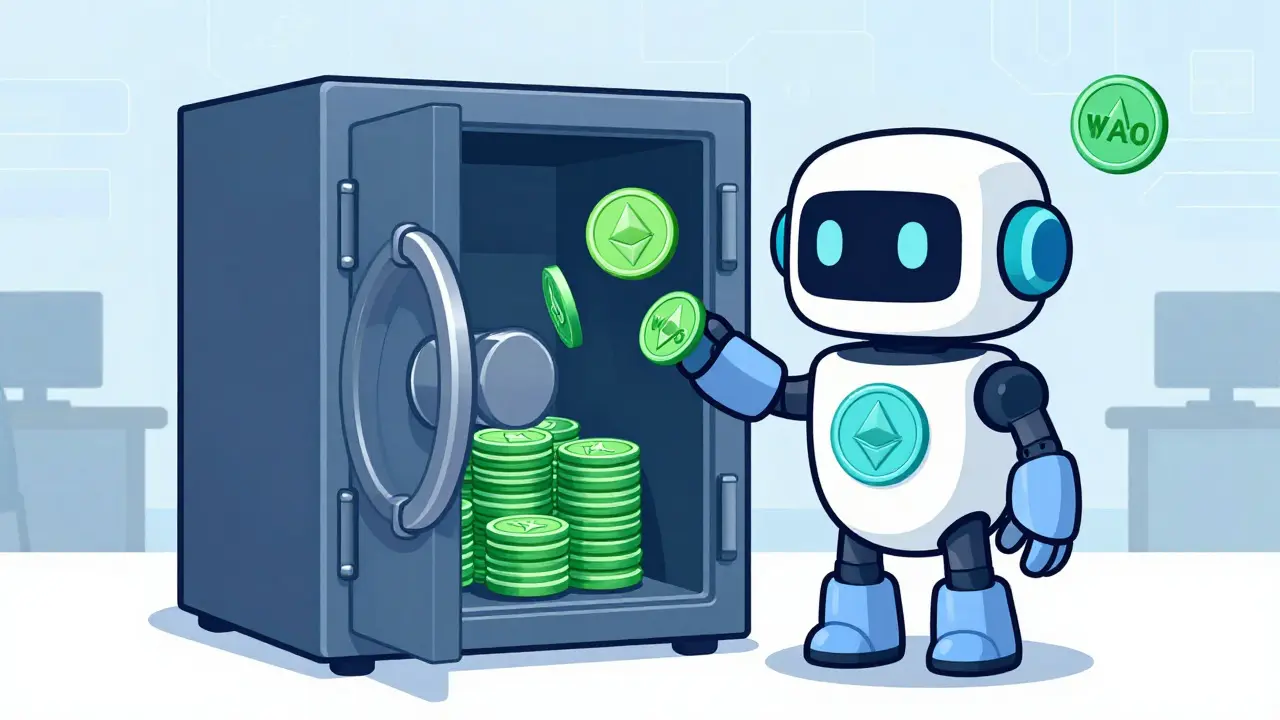
To understand WTAO, you have to look under the hood at the bridging mechanism. When you decide to wrap your TAO, you aren’t copying it. You’re locking it up. Here is the step-by-step process:
- Deposit: You send your native TAO tokens to a specific smart contract or address managed by the bridge operator on the Bittensor network.
- Lock: The bridge holds these TAO tokens in reserve. This is crucial because every single WTAO in circulation must be backed by real TAO sitting in that vault.
- Mint: Once the deposit is confirmed, the bridge mints an equivalent amount of WTAO tokens on the Ethereum network. If you sent 10 TAO, you get 10 WTAO.
- Use: You now hold WTAO in your Ethereum wallet (like MetaMask). You can swap it, lend it, or provide liquidity on platforms like Uniswap or Aave.
- Unwrap: When you want your TAO back, you send the WTAO to the burn address on Ethereum. The bridge destroys those tokens and releases the original TAO from the vault back to you.
This 1:1 peg is maintained by the fact that the supply of WTAO cannot exceed the amount of TAO held in reserve. However, the trust model here is different from fully decentralized bridges. Currently, the primary bridge for WTAO is operated by a community member known as CreativeBuilts. This means the system relies heavily on the integrity and security of this single entity rather than a distributed network of validators.
Why Use WTAO Instead of Native TAO?
You might ask, "If I already have TAO, why bother wrapping it?" The answer lies in utility and yield. Native TAO has limited use cases outside of staking on the Bittensor network to support validators. While staking yields are attractive-historically hovering around 15% to 20% APY depending on network conditions-it’s a static income stream.
WTAO unlocks the entire Ethereum ecosystem. With WTAO, you can:
- Earn Variable Yields: Provide liquidity on decentralized exchanges (DEXs) like Uniswap. During high volatility, trading fees can sometimes outpace standard staking rewards.
- Lend and Borrow: Deposit WTAO as collateral on lending protocols to borrow stablecoins, allowing you to leverage your position without selling your assets.
- Access Broader Markets: Trade against ETH, USDC, or other major pairs instantly on Ethereum-based markets, which often have deeper liquidity than niche Bittensor-specific pools.
For example, a user might stake their TAO for steady returns, but wrap a portion of their holdings to WTAO to participate in a new yield farming opportunity on Ethereum that offers higher potential returns during bull markets. It diversifies how you monetize your asset.
The Centralization Risk: What You Need to Know
Here is where things get tricky. In the crypto world, decentralization is king. But WTAO’s current implementation is highly centralized. As of late 2023 data, nearly all WTAO in existence is controlled through a bridge operated by a single individual, CreativeBuilts. This creates what experts call "counterparty risk."
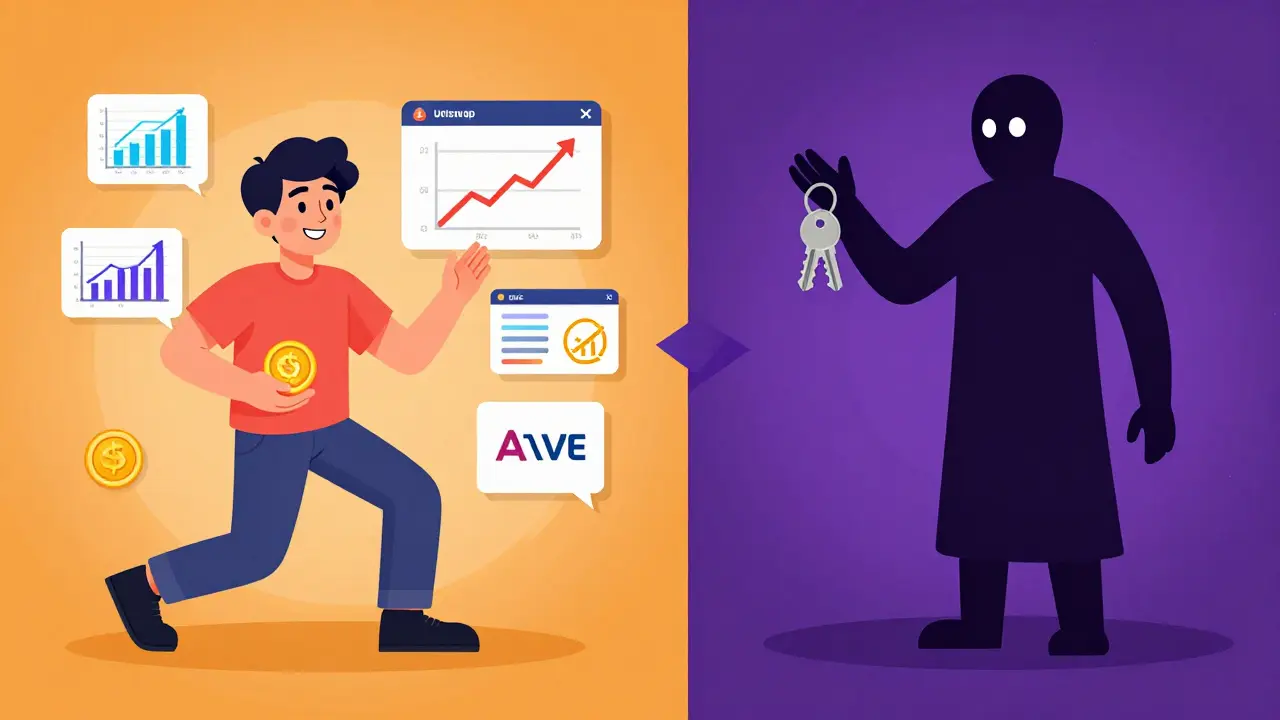
If the bridge operator loses access to their private keys, gets hacked, or decides to act maliciously, your WTAO could become worthless. Unlike Bitcoin, where no one can freeze your funds, or even Ethereum, where governance is distributed, this bridge is a single point of failure. The operator holds the private keys to the vault containing the underlying TAO.
Furthermore, the operator stakes the reserved TAO to generate revenue. While they claim this revenue helps offset bridge costs, there is no transparent, automated mechanism currently distributing these profits back to WTAO holders. You are trusting them to manage the collateral responsibly. Always remember: if you don’t hold the keys, you don’t truly own the asset. With WTAO, you own a promise that someone else will honor.
| Feature | Native TAO | Wrapped TAO (WTAO) |
|---|---|---|
| Network | Bittensor (Subtensor Chain) | Ethereum (ERC-20) |
| Primary Use | Staking, Validator Operations | DeFi, Lending, Liquidity Provision |
| Decentralization | Distributed Validators | Single Operator (Centralized Bridge) |
| Risk Profile | Smart Contract & Network Risk | Counterparty & Bridge Security Risk |
| Wallet Compatibility | TaoStats, Polkadot.js | MetaMask, Trust Wallet |
Who Should Use WTAO?
Not every crypto investor needs WTAO. It makes sense for you if you are comfortable with moderate technical complexity and understand the risks of centralized bridges. Specifically, consider WTAO if:
- You are a DeFi Power User: You regularly interact with Aave, Compound, or Uniswap and want to include TAO in your portfolio without leaving the Ethereum ecosystem.
- You Want Yield Diversification: You don’t want all your eggs in the staking basket and want to experiment with liquidity mining strategies.
- You Understand Counterparty Risk: You are willing to accept the risk of a single-operator bridge in exchange for access to Ethereum’s massive liquidity pool.
On the other hand, if you are a beginner who prefers "set and forget" investments, sticking to native TAO staking is safer. The added complexity of managing gas fees on Ethereum and monitoring bridge health isn’t worth it if you aren’t actively using DeFi.
Security Best Practices for WTAO Users
If you decide to wrap your TAO, treat it like handling cash in a foreign country. Be careful. First, only wrap amounts you can afford to lose entirely due to bridge risk. Never put your life savings into a centralized wrapper. Second, ensure you are using the correct contract address. Scammers often create fake WTAO tokens. Always verify the official contract address from trusted sources like the Bittensor Discord or official documentation.
Third, monitor the bridge status. Keep an eye on community channels for any announcements regarding the bridge operator. If CreativeBuilts announces changes to the governance structure or introduces multi-signature wallets, that would significantly reduce risk. Until then, assume the highest level of caution. Finally, keep your Ethereum wallet secure. Enable hardware wallet protection if possible, as losing your MetaMask seed phrase means losing your WTAO forever.
The Future of Wrapped Assets in AI Crypto
Bittensor sits at the intersection of artificial intelligence and blockchain, a sector seeing explosive growth. As more AI models join the network, demand for TAO increases. This naturally drives demand for WTAO as well, since traders need efficient ways to move value in and out of the ecosystem.
We may see improvements in the bridge technology over time. The community has called for decentralized bridge solutions, similar to Wormhole or LayerZero, which use multiple validators to secure cross-chain transfers. If such a solution emerges, it would likely replace or compete with the current WTAO bridge, reducing counterparty risk. For now, WTAO remains a vital, albeit risky, tool for connecting the AI-focused Bittensor network with the financial powerhouse of Ethereum.
Is Wrapped TAO (WTAO) the same as native TAO?
No, they are not the same token, but they represent the same value. Native TAO exists on the Bittensor blockchain, while WTAO is an ERC-20 token on the Ethereum network. WTAO is backed 1:1 by native TAO held in a bridge vault. You can convert WTAO back to native TAO at any time by unwrapping it through the bridge.
Who controls the WTAO bridge?
Currently, the primary WTAO bridge is operated by a single community member known as CreativeBuilts. This centralization means the operator holds the private keys to the vault containing the underlying TAO. This creates counterparty risk, as the security of your WTAO depends on the safety and honesty of this single entity.
Can I lose my money using WTAO?
Yes. Risks include bridge hacks, operator misconduct, or smart contract vulnerabilities. Since the bridge is centralized, if the operator’s keys are compromised, the underlying TAO could be stolen, rendering WTAO worthless. Additionally, impermanent loss can occur if you provide WTAO liquidity on decentralized exchanges.
Do I need ETH to use WTAO?
Yes. Because WTAO is an ERC-20 token on the Ethereum network, you need ETH to pay for gas fees when transferring, swapping, or interacting with DeFi protocols. Ensure your wallet has sufficient ETH balance before attempting any transactions with WTAO.
Where can I buy WTAO?
You typically cannot buy WTAO directly on major centralized exchanges. Instead, you wrap your existing native TAO using the bridge, or you can find it on Ethereum-based decentralized exchanges (DEXs) like Uniswap by swapping ETH or other tokens for WTAO. Always verify the contract address to avoid scams.