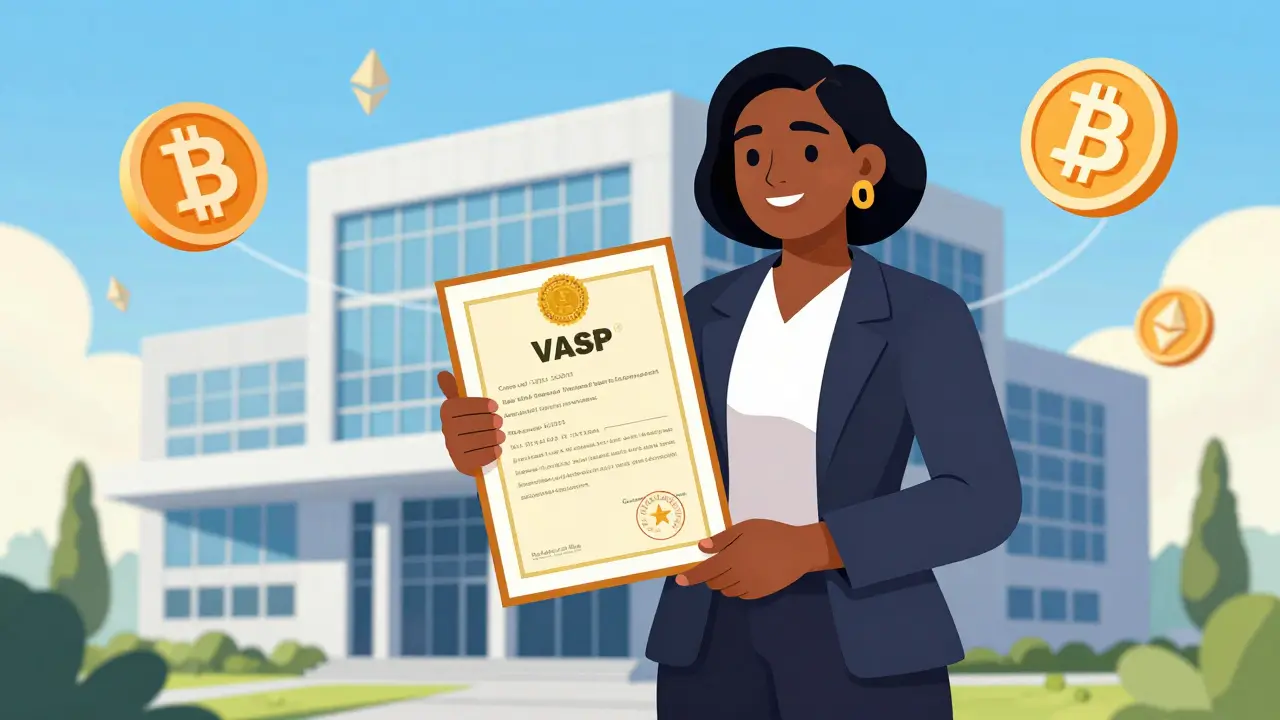
The Financial and Legal Baseline
Before you even look at the application forms, you need to check your bank balance. The SEC isn't looking for small-scale startups; they want financially stable entities that won't collapse overnight. To qualify, your business must have a minimum paid-up capital of N500,000,000 Five Hundred Million Naira, which is roughly $325,000 USD . This is a non-negotiable requirement designed to ensure that only serious players enter the market. Beyond the money, your corporate structure must be airtight. You can't operate as a foreign entity from a beach in Bali. You must be incorporated with the Corporate Affairs Commission the official body responsible for the registration and regulation of companies in Nigeria (CAC). This means you need a valid Certificate of Incorporation, a Memorandum and Articles of Association (MEMART), and a current Status Report. Most importantly, you must have a physical office in Nigeria and a resident director who actually lives in the country to be held accountable.What Activities Actually Require a VASP License?
Many founders assume a license is only for big exchanges. That's a mistake. The 2025 legislation cast a wide net. If your business model involves any of the following, you're likely in the SEC's crosshairs:- Trading and Exchanges: Operating platforms where users buy, sell, or swap cryptocurrencies.
- Custody Services: Providing digital wallets or acting as a third-party holder of private keys.
- Infrastructure: Running crypto mining operations or providing the hardware for others to mine.
- Yield Generation: Offering staking services or managing airdrop distributions.
- Payments: Any system that uses virtual assets to process everyday payments or B2B settlements.
Two Paths to Compliance: Standard vs. ARIP
Depending on your urgency and current status, the SEC offers two ways to get licensed. One is the traditional long route, and the other is a "fast-track" system for those who want to get moving quickly.| Feature | Standard Registration | Accelerated Regulatory Incubation Program (ARIP) |
|---|---|---|
| Speed | Full cycle before launch | Preliminary approval to start early |
| Oversight | Post-license monitoring | 12-month intensive incubation |
| Reporting | Standard regulatory returns | Quarterly progress reports |
| Outcome | Full VASP License | Exit at 12 months (Full license or Cease operations) |
Operational Rigor: AML, KYC, and Tech Security
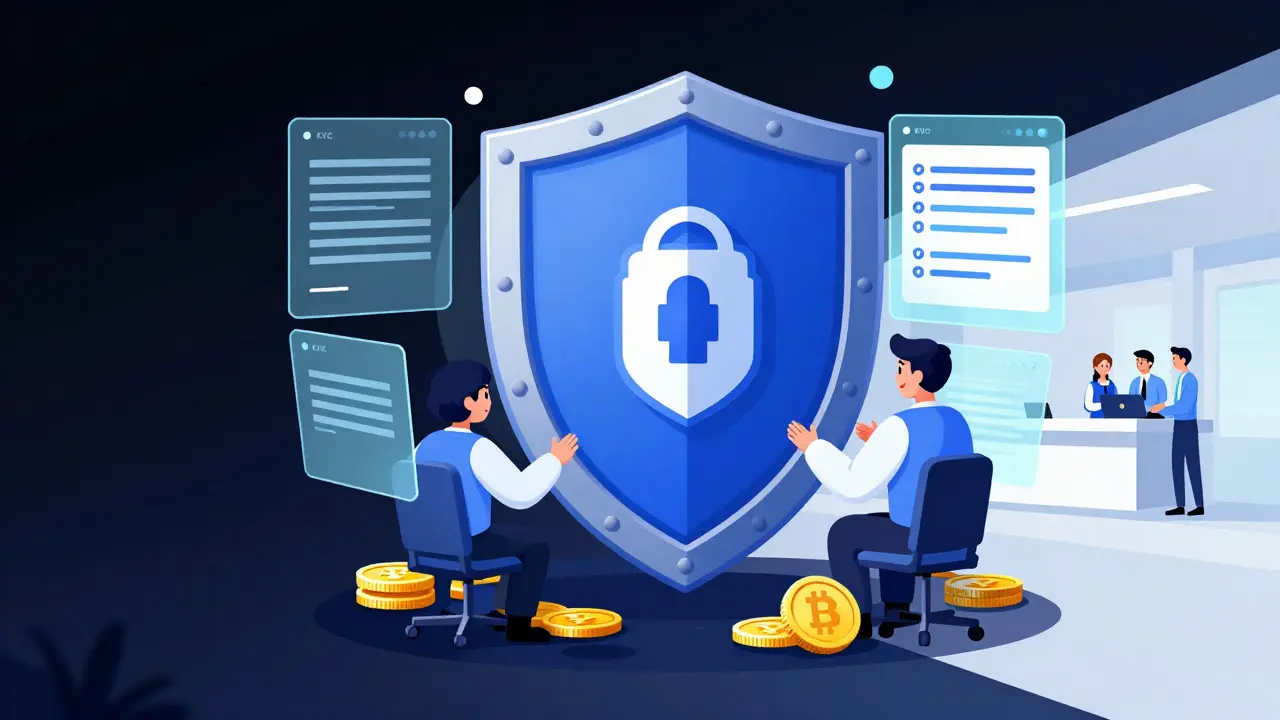
Having the money and the paperwork is only half the battle. The SEC and the Central Bank of Nigeria the apex monetary authority in Nigeria responsible for financial stability (CBN) are terrified of money laundering and terrorist financing. Your operational manual needs to be bulletproof. Your Know Your Customer the process of verifying the identity of clients to prevent fraud and money laundering (KYC) protocols must prevent anonymous transactions entirely. You'll need to prove how you verify identities and how you monitor suspicious activity in real-time. Keep in mind: Nigeria requires you to hold onto these records for at least seven years. That means your data architecture must be scalable and secure. From a technical side, you must comply with the SEC Technology Risk Management standards. This isn't just about having a strong password. You need:- Cybersecurity Protocols: Detailed plans for encryption and breach prevention.
- System Resilience: Evidence that your platform won't crash during a market surge.
- Data Protection: Compliance with local data privacy laws to protect user information.
The Paperwork Checklist
When you submit your application, the SEC expects a comprehensive dossier. If you miss one of these, expect your application to be tossed back for revisions.- Business Model: A clear document explaining your value proposition. Why does Nigeria need your service?
- Internal Rulebooks: Written policies on how you handle conflicts of interest and how you protect investors.
- Dispute Resolution: A clear framework for how you'll handle customer complaints without everything ending up in court.
- Staffing Plan: Evidence of the human capital (experts) you've hired to run the operation.
- Sworn Undertakings: Legal affidavits from your director or company secretary promising to follow the Investment and Securities Act.
Why This Matters for the Market
Why is the government doing this now? It's not just about safety; it's about revenue. Nigeria is pushing to increase tax collection from under 10% of GDP to 18% by 2027. By bringing crypto into the light, the state can finally tax the massive volume of trades happening in the country. For you as a business owner, this is a double-edged sword. The cost of compliance is massive. You'll be spending a lot more on lawyers, auditors, and cybersecurity experts. This will likely lead to higher fees for your users. However, the trade-off is legitimacy. A licensed VASP can walk into any Nigerian bank and open a corporate account without being flagged as a high-risk entity. That's a game-changer for scaling.Can I get a VASP license if my company is based outside Nigeria?
Not directly. While you can be a foreign parent company, the SEC requires you to be incorporated via the Corporate Affairs Commission (CAC) in Nigeria, maintain a physical office presence, and have a resident director living in the country.
Is the N500 million capital requirement a deposit?
No, it is "paid-up capital." This means the money must be invested into the company's equity, proving the business has the financial muscle to sustain operations and cover potential risks.
What happens if I continue operating without a VASP license?
Operating without a license after the 2025 Act puts you at risk of severe penalties, including the freezing of corporate accounts by the CBN and potential prosecution by the SEC for operating an unregistered securities business.
How long does the ARIP program take?
The program lasts 12 months. It involves quarterly reports and a critical regulatory guidance review at the 10-month mark before you either exit with a full license or shut down.
Does the license cover all types of tokens?
Yes, the framework generally covers all virtual assets, including cryptocurrencies, utility tokens, and security tokens, as they are all viewed as securities under the current SEC jurisdiction.