Have you seen the buzz around The APIS airdrop? If you’ve been scrolling through crypto Twitter or checking Discord servers lately, you might have come across claims about free tokens from a project simply called "The APIS" or "APIs." It’s easy to get excited. Free money sounds too good to pass up. But here is the hard truth: there is no single, universally recognized cryptocurrency project officially named "The APIS" that has launched a major, verified airdrop as of mid-2026.
This confusion often stems from two main sources. First, there are numerous smaller, niche projects using "API" in their name-like the blockchain infrastructure provider Crypto APIs, which offers developer tools for Bitcoin and Ethereum networks. Second, scammers love to piggyback on legitimate-sounding names to trick users into connecting their wallets to malicious sites. Before you risk your funds, you need to separate fact from fiction. This guide breaks down what "The APIS" likely refers to, how to verify if an airdrop is real, and how to safely navigate these opportunities without getting burned.
What Is The APIS Project?
To understand the airdrop hype, we first need to define the entity behind it. In the crypto world, "API" stands for Application Programming Interface. These are the bridges that allow different software systems to talk to each other. For example, when a decentralized exchange (DEX) needs to show you the current price of Bitcoin, it uses an API to fetch that data from a blockchain explorer or market data provider.
Crypto APIs is a well-known infrastructure company in this space. They provide Blockchain-as-a-Service (BaaS), allowing developers to build apps on Bitcoin, Ethereum, Litecoin, and other chains without managing complex node infrastructure. However, despite their robust technical offerings, there is no public record of a massive retail-facing token airdrop by this specific company under the name "The APIS."
If you are seeing references to "The APIS," it is highly probable that one of three things is happening:
- Misinformation: Users are confusing a different API-focused project (like Chainlink or Pyth Network) with a generic name.
- Niche Testnets: A very small, early-stage startup is running a private testnet with limited eligibility, not a public open-airdrop.
- Scams: Fake websites are mimicking the branding of legitimate API providers to steal wallet connections.
In June 2026, the crypto landscape is saturated with infrastructure plays. Projects like Berachain and Kaito AI have dominated headlines with their own distribution events. "The APIS" does not appear in any major audit reports or official announcements from reputable exchanges like Coinbase or Binance. Always treat unnamed or vaguely named projects with extreme skepticism.
How to Verify If An Airdrop Is Legitimate
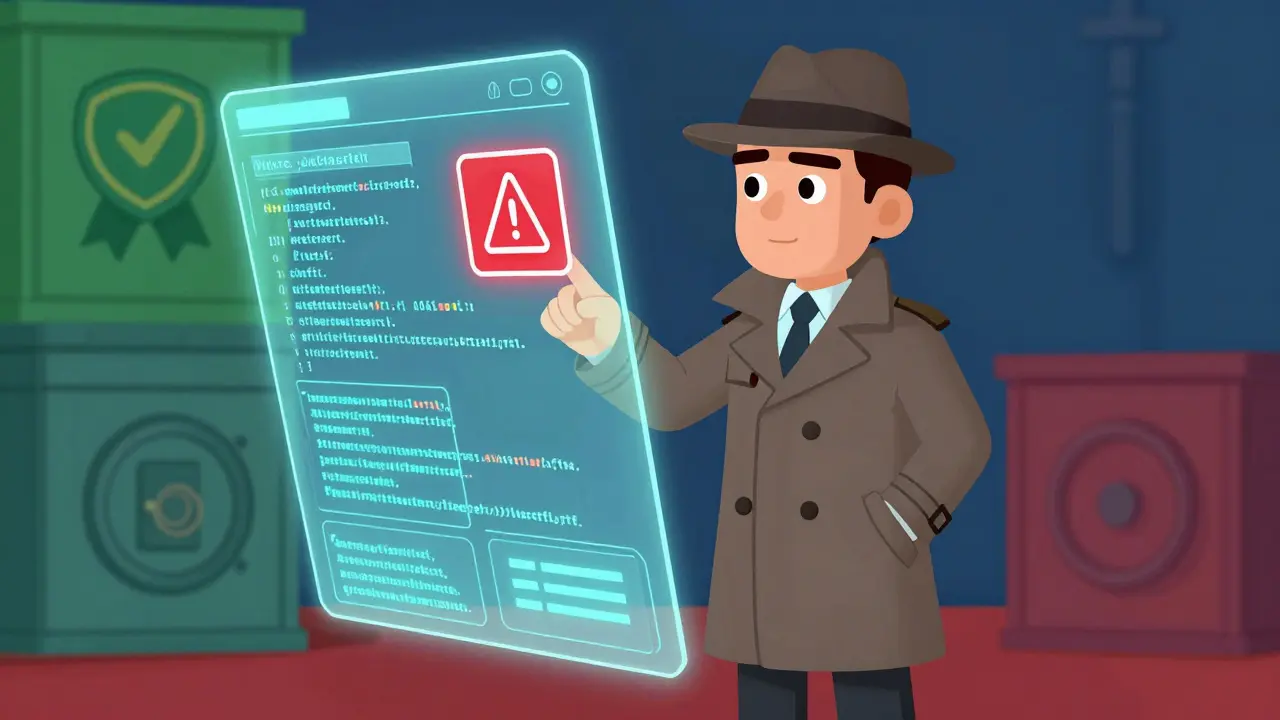
Not every claim on social media is worth your time. In fact, most are traps. To protect yourself, you must act like a detective before you ever click a link. Here is a step-by-step checklist to validate any potential airdrop opportunity.
- Check Official Channels: Go directly to the project’s official website. Do not click links from Telegram groups or random tweets. Look for an "Airdrop" or "Rewards" section in their documentation. If the information is only available via a third-party blog, it is likely fake.
- Verify Smart Contract Addresses: Legitimate tokens have verified contracts on block explorers like Etherscan or Solscan. Search for the token address provided by the project. Check who holds the largest supply. If one wallet holds 90% of the tokens, you are looking at a rug pull waiting to happen.
- Look for Audits: Reputable projects hire firms like CertiK, OpenZeppelin, or Trail of Bits to audit their code. If "The APIS" cannot produce a recent audit report, do not interact with their smart contracts.
- Community Vetting: Join the official Discord or Telegram. Ask questions. Are the responses helpful and transparent, or do they just spam "trust us"? Real communities have active developers answering technical questions.
If a project asks you to send them crypto to "claim" your airdrop, stop immediately. Legitimate airdrops are always free to claim. You may need to pay gas fees for the transaction on your network, but you never send funds to a stranger or a contract address to receive tokens.
Understanding Airdrop Mechanics and Eligibility
Even if a legitimate API-related project were to launch an airdrop, understanding how these distributions work is crucial. Most modern airdrops use a "snapshot" method. This means the project takes a picture of the blockchain at a specific block height to see who qualifies.
Common eligibility criteria include:
- Transaction History: Having sent or received transactions on the project’s testnet or mainnet before a certain date.
- Wallet Age: Using a wallet that has been active for more than six months to filter out bots.
- Social Engagement: Following official accounts, joining Discords, or creating content. While common, this is often secondary to on-chain activity.
- Token Holding: Holding related ecosystem tokens (e.g., holding ETH while an Ethereum-based API project launches).
For infrastructure projects specifically, developers are often prioritized. If you built a dApp using their API, you might qualify for a larger allocation than a casual user. This is why projects like Chainlink historically rewarded node operators and integrators heavily. If "The APIS" is targeting developers, look for GitHub repositories where you can contribute code or report bugs. These contributions are often tracked and rewarded later.
Security Risks: Phishing and Wallet Drains
The biggest risk in the current airdrop meta is not missing out-it’s losing everything. Scammers create fake landing pages that look identical to legitimate projects. They might even buy ads on crypto news sites to drive traffic to these fake sites.
Here is how a typical drain works: You visit a fake "Claim APIS Tokens" page. You connect your MetaMask or Phantom wallet. The site then requests approval to spend unlimited tokens from your wallet. Once you approve, the scammer drains your USDT, ETH, or NFTs instantly. By the time you realize the error, the funds are gone.
To mitigate this risk:
- Use a Burner Wallet: Never connect your primary wallet holding significant assets to unverified airdrop sites. Use a separate wallet with minimal funds, just enough for gas fees.
- Revoke Permissions: After interacting with any new contract, use tools like Revoke.cash to check and remove unnecessary approvals. This ensures that even if a contract turns malicious later, it can’t access your funds.
- Check URLs Carefully: Look for subtle misspellings. "apis-token.com" vs "api-token.com". One letter makes all the difference.
In 2026, browser extensions that flag suspicious domains are becoming standard. Consider installing a security extension that warns you when you attempt to connect to known phishing sites. Your vigilance is your best defense.
Alternatives: Other Legitimate Infrastructure Airdrops
If you are interested in the API and blockchain infrastructure sector, there are several established projects with transparent tokenomics and historical precedent for rewarding early users. Instead of chasing the elusive "The APIS," consider exploring these verified alternatives.
| Project Name | Type | Airdrop History | Key Feature |
|---|---|---|---|
| Chainlink | Oracle Network | Yes (Past) | Connects real-world data to smart contracts |
| Pyth Network | Data Feeds | No Major Public Airdrop | High-frequency financial data |
| Berachain | L1 Blockchain | Yes (Testnet Rewards) | Proof-of-Liquidity consensus |
| Kaito AI | AI Search | Yes (2025/2026) | On-chain data analysis |
Projects like Berachain and Kaito AI have demonstrated clear paths to value accrual for early participants. By engaging with their testnets or providing liquidity, users have historically received meaningful allocations. Focus your energy on platforms with whitepapers, active development teams, and community trust. The ROI on research is far higher than the ROI on gambling with unknown tokens.

Step-by-Step: How to Prepare for Future Airdrops
You don’t need to wait for "The APIS" to potentially exist. You can position yourself to capture value from future infrastructure airdrops right now. Here is a practical strategy.
- Interact with Emerging Protocols: Identify new Layer 1 or Layer 2 blockchains launching soon. Bridge small amounts of ETH to these networks. Swap tokens on their native DEXs. Provide liquidity in stablecoin pairs.
- Run a Node or Validator: If you have the technical skill, running a validator node for emerging chains is a high-effort, high-reward strategy. Many projects reward validators with governance tokens.
- Contribute to Developer Communities: Join hackathons hosted by Web3 foundations. Building a simple dApp that uses a new API can mark you as a valuable contributor.
- Track Snapshot Dates: Use tools like DeBank or Zapper to monitor your portfolio. Set reminders for major protocol upgrades or mainnet launches, as these are common snapshot times.
Consistency matters more than volume. Making ten small interactions over six months is often better than making one large transaction once. Bots try to game the system with thousands of micro-transactions; human-like, organic usage patterns are easier for projects to identify and reward.
Conclusion: Stay Safe, Stay Skeptical
The search for "The APIS airdrop" highlights a broader issue in crypto: the desire for quick gains often blinds us to basic due diligence. As of today, there is no credible evidence of a major, safe airdrop by a project strictly named "The APIS." The risks of phishing, wallet draining, and wasted time far outweigh the potential rewards of a non-existent token drop.
Instead of chasing ghosts, focus on building a diversified portfolio of interactions across verified infrastructure projects. Learn how APIs power the decentralized web. Engage with protocols that have audits, active teams, and clear roadmaps. In the long run, knowledge and security are the most valuable assets you can hold. Keep your private keys private, verify every URL, and never rush a transaction. The best airdrop is the one that doesn’t cost you your entire wallet balance.
Is The APIS airdrop real in 2026?
As of mid-2026, there is no widely recognized, verified cryptocurrency project named "The APIS" offering a legitimate public airdrop. Be cautious of scams using similar names. Always verify projects through official channels and reputable audits before participating.
How can I tell if an airdrop is a scam?
Signs of a scam include requests to send crypto to claim tokens, unofficial social media links, lack of smart contract audits, and anonymous teams. Legitimate airdrops are free to claim (except for gas fees) and have transparent documentation on their official website.
What is Crypto APIs?
Crypto APIs is a blockchain infrastructure provider that offers developer tools for building applications on networks like Bitcoin and Ethereum. They provide services such as Blockchain-as-a-Service (BaaS) and market data feeds. They are not currently associated with a major retail token airdrop.
Do I need to pay to claim an airdrop?
No. Legitimate airdrops do not require you to send funds to a project address. You may need to pay network gas fees to execute the claim transaction on the blockchain, but you should never transfer crypto to a stranger or contract to "unlock" your rewards.
Which API-related crypto projects are considered safe?
Established projects like Chainlink, Pyth Network, and The Graph are considered safe due to their long track records, extensive audits, and widespread adoption. Always research newer projects thoroughly and check for community trust signals before engaging.