US Crypto Laws: What You Need to Know About Regulations, Exchanges, and Compliance
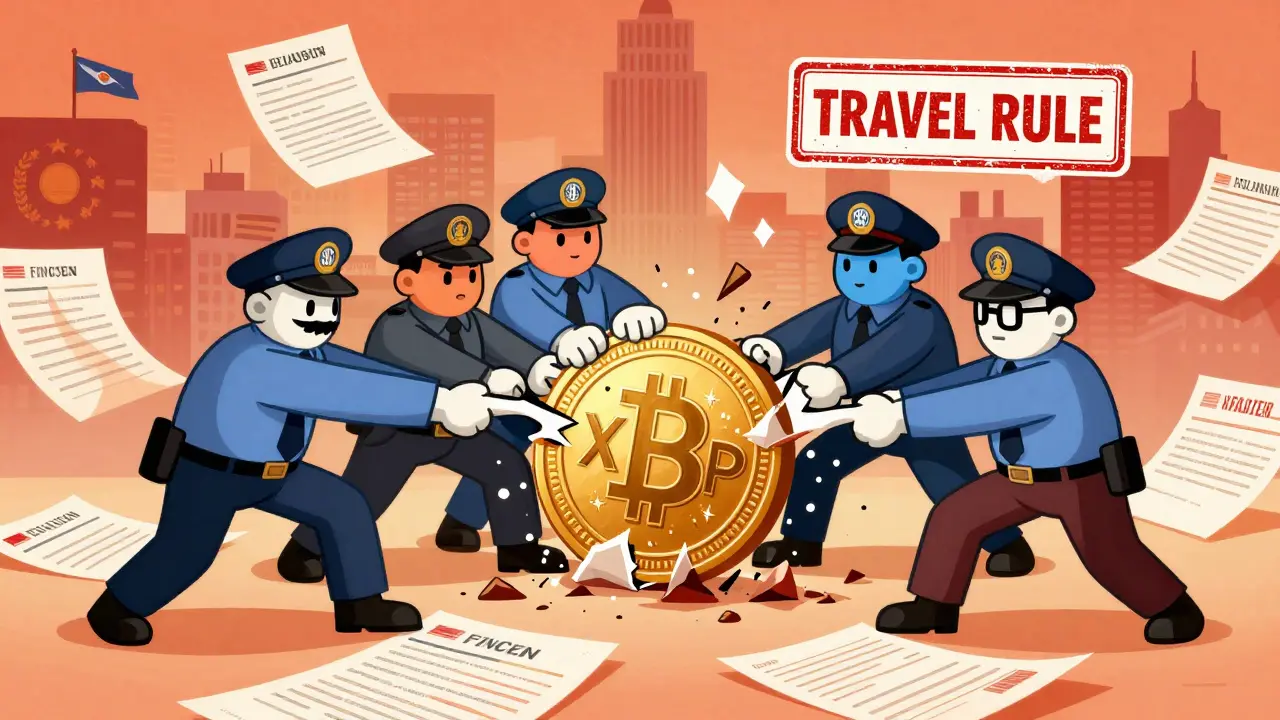
When it comes to US crypto laws, the set of federal and state rules governing cryptocurrency trading, taxation, and reporting in the United States. Also known as crypto regulation in America, it's not about banning crypto—it's about controlling how it moves through the financial system. The U.S. doesn't have one single crypto law. Instead, you're dealing with overlapping rules from the SEC, FinCEN, IRS, and state agencies—all pushing different agendas. That’s why one exchange can be legal in Wyoming but shut down in New York.
Take FinCEN, the Financial Crimes Enforcement Network, a U.S. Treasury bureau that enforces anti-money laundering rules for crypto businesses. Also known as the crypto watchdog, it requires every exchange operating in the U.S. to register as a Money Services Business (MSB) and track every transaction over $3,000. Miss a filing? You could face fines up to $1 million. That’s why Binance got kicked out and Kraken had to change its whole compliance team. Then there’s asset forfeiture, the government’s power to seize crypto linked to illegal activity, even if the owner didn’t know it was involved. Also known as crypto confiscation, the U.S. has seized over $5 billion in crypto since 2020—from ransomware payments to darknet market sales. Your wallet isn’t safe just because you didn’t break the law. And if you’re into decentralized organizations, DAO legal status, the shaky legal standing of blockchain-based organizations without traditional corporate structure. Also known as blockchain companies, they’re now recognized as legal entities in Wyoming, Vermont, and New Hampshire—but nowhere else. That means if you run a DAO from Texas, you’re personally liable for every mistake it makes.
These rules aren’t just for big firms. If you trade crypto, earn staking rewards, or get airdrops, you owe taxes. If you use an unregistered exchange, you’re at risk. If you hold crypto in a wallet tied to a sanctioned entity, your funds could vanish overnight. The U.S. isn’t trying to kill crypto—it’s trying to tie it to the old financial system. And that’s why you’ll find posts here about how exchanges like SatoExchange fail compliance checks, why Russia uses stablecoins to bypass U.S. rules, and how Kosovo banned mining to save its power grid. This isn’t theory. It’s what’s happening right now.
Below, you’ll find real cases, real warnings, and real guidance—not guesses. From how to avoid getting your crypto seized to which states let DAOs operate legally, everything here is pulled from actual events, not speculation. You don’t need to be a lawyer to understand this. You just need to know what’s real.