Bangladesh Crypto Adoption Ranks High Despite Complete Ban
Despite a complete government ban, Bangladesh ranks 35th globally in crypto adoption with 3.1 million users - mostly using stablecoins to send remittances. How is this possible?
When you send money across borders, you’re not just paying for the transfer—you’re paying for the middlemen. Stablecoin remittances, digital payments tied to stable assets like the U.S. dollar that move instantly over blockchain networks. Also known as crypto-based money transfers, they let people send value without banks, long waits, or hidden fees. Unlike Bitcoin or Ethereum, stablecoins like USDT and USDC don’t swing wildly in price. That’s why they’re becoming the go-to tool for workers in Mexico sending cash home to families in Guatemala, or Filipinos paying relatives in Manila without waiting three days for a Western Union payout.
Stablecoin remittances work because they skip the old system entirely. No more correspondent banks, no currency conversion markups, no compliance delays. A worker in Texas can send $500 in USDC to a phone number in Nigeria, and the recipient gets it in local currency within minutes—often for less than $1 in fees. This isn’t theoretical. In countries like Argentina, Nigeria, and Vietnam, where local currencies lose value daily, people are already using stablecoins to protect their earnings. The blockchain payments, peer-to-peer value transfers recorded on public ledgers without intermediaries behind this are the same ones powering DeFi and NFTs—but here, they’re helping real people pay rent and buy food.
And it’s not just individuals. Companies like Bitso in Mexico and Flutterwave in Africa have built entire remittance platforms on stablecoins, letting users send money with just a QR code. Even governments are watching. While the U.S. and EU debate regulation, places like El Salvador and the UAE are already integrating stablecoins into their financial infrastructure. The cross-border payments, transactions that move money between different countries, often with high fees and slow settlement times market is worth over $700 billion a year—and stablecoins are taking bites out of it, fast.
What you’ll find below aren’t hype pieces or speculative coin reviews. These are real stories: how a delivery driver in Kenya uses USDT to send money to his sister in Tanzania, why a Filipino nurse switched from PayPal to a crypto wallet for her family’s bills, and how a small business in Brazil cut its international payment costs by 80%. Some posts expose scams pretending to be stablecoin services. Others break down exactly how to set up a wallet, which exchanges support fast remittances, and which countries still block these transfers. This isn’t about getting rich. It’s about getting paid—faster, cheaper, and without asking permission.
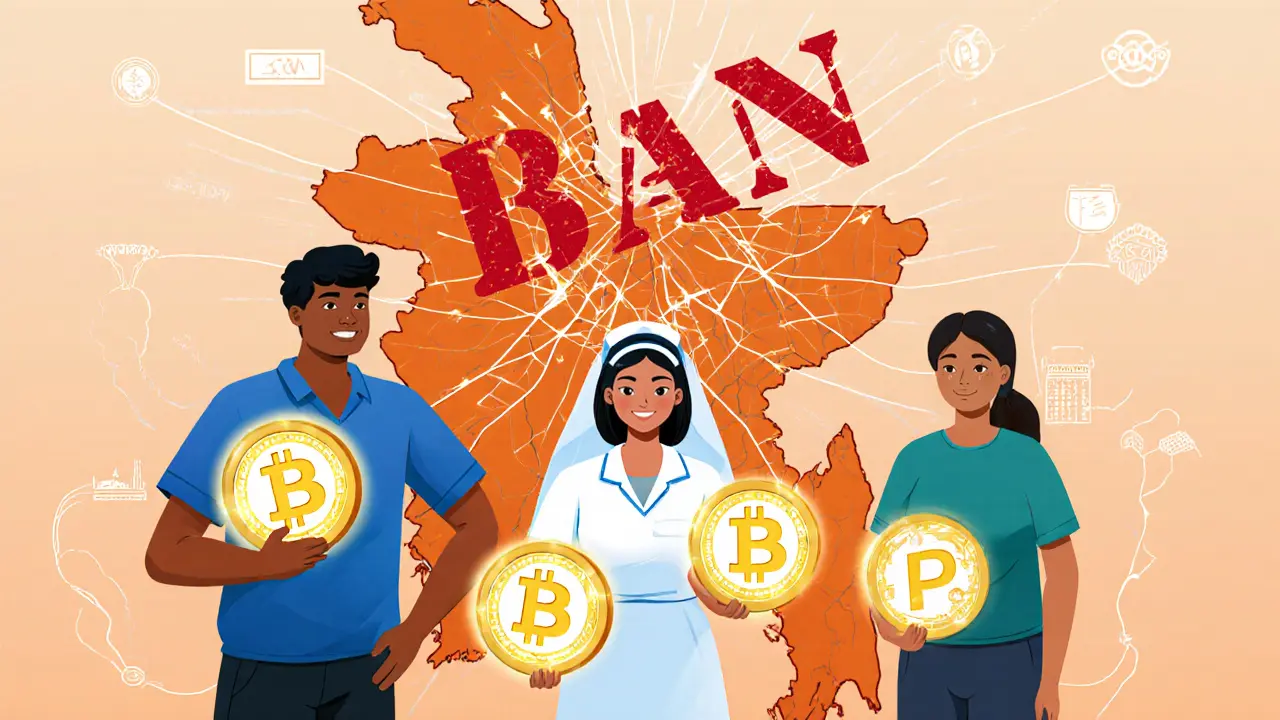
Despite a complete government ban, Bangladesh ranks 35th globally in crypto adoption with 3.1 million users - mostly using stablecoins to send remittances. How is this possible?