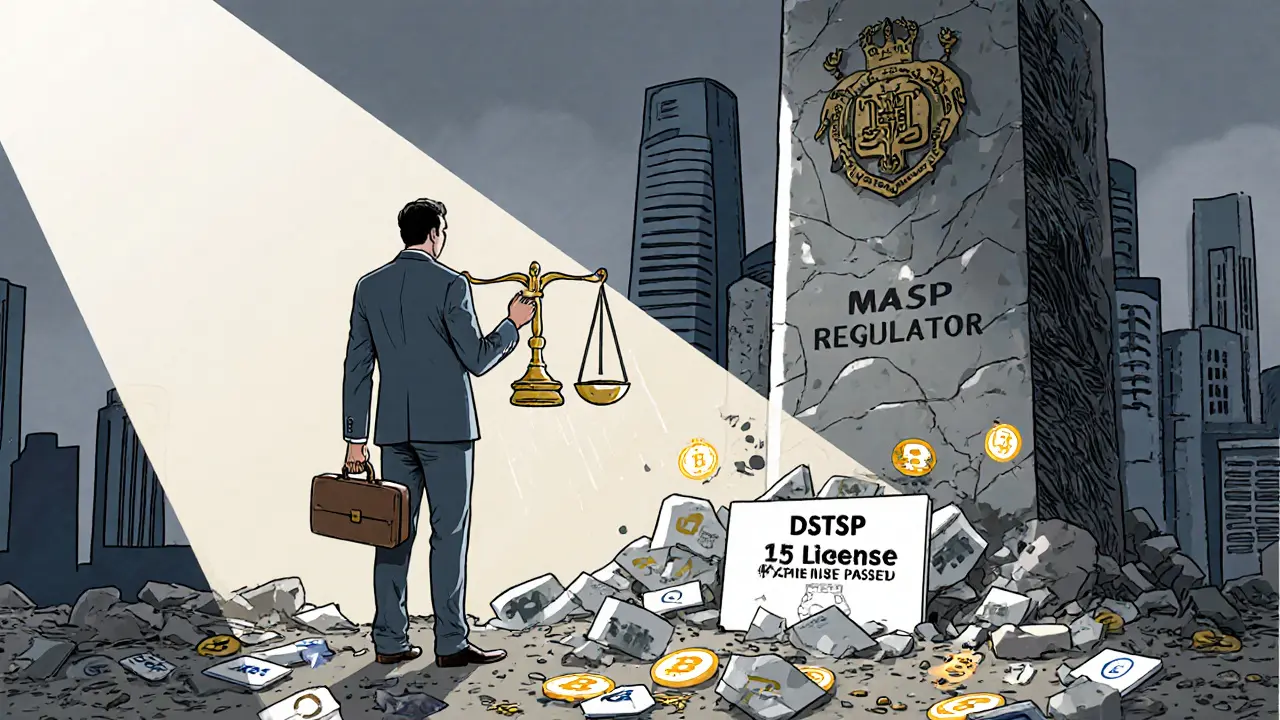
Singapore Crypto Rules: What You Can and Can't Do in 2025
When it comes to Singapore crypto rules, the regulatory framework set by the Monetary Authority of Singapore (MAS) that defines how digital assets can be issued, traded, and used legally. Also known as MAS cryptocurrency guidelines, it's one of the few places where crypto isn't just tolerated—it's structured, supervised, and sometimes even encouraged. Unlike countries that ban crypto outright or ignore it completely, Singapore treats digital assets as financial instruments, not currencies. That means if you're trading, issuing, or running a crypto business here, you're dealing with clear rules, not guesswork.
The core of Singapore’s approach is the Monetary Authority of Singapore (MAS), the central bank and financial regulator responsible for overseeing all digital payment token services. Also known as MAS crypto watchdog, it requires every crypto exchange, stablecoin issuer, or DeFi platform operating in Singapore to get a license. This isn't optional. If you're letting people buy Bitcoin or trade ETH on a platform based in Singapore, you need a Payment Services Act (PSA) license. And yes, MAS checks your backend, your security, your AML systems, and even your team’s background. No shell companies. No anonymous founders. No shortcuts. This is why big names like Binance, Coinbase, and Kraken either got licensed or left. It's not about being anti-crypto—it's about being anti-risk.
For users, the rules are simpler: you can buy, hold, and sell crypto without restriction. But if you're using it to pay for goods or services, you're not breaking the law—but you're also not getting any legal protection. Crypto isn't legal tender in Singapore. It's an asset. That means every trade is taxable. If you sell Bitcoin for a profit, you owe capital gains tax—though Singapore doesn't have a formal capital gains tax, profits from trading are often treated as income if you're doing it regularly. And if you're running a business that accepts crypto? You need to record every transaction for accounting purposes. MAS doesn't care if you're a casual holder, but if you're earning from crypto, they expect you to report it.
Stablecoins are a big deal here. Companies like Circle (USDC) and Paxos (PAX) are licensed to issue stablecoins in Singapore. That’s because they meet strict reserve requirements: every USDC must be backed 1:1 with cash or short-term Treasuries, audited monthly, and held in segregated accounts. This isn’t just marketing—it’s law. And if you’re thinking about launching your own stablecoin? Good luck. MAS will demand proof of reserves, redemption mechanisms, and a clear path to handle bank runs. Most projects never make it past the application stage.
What’s banned? No anonymous trading. No unlicensed exchanges. No crypto lending platforms that promise fixed returns without a license. No gambling with crypto unless it’s under a full gaming license. And no misleading ads that say "earn 20% monthly"—MAS shuts those down fast. They’ve fined platforms for fake yield claims, fake partnerships, and even for using celebrity photos without permission.
If you're a trader, you can do everything you’d expect: use local banks to deposit SGD, trade on licensed exchanges, withdraw to your wallet, and even stake tokens on approved platforms. But you can’t use unlicensed platforms like SatoExchange or ShadowSwap if you’re in Singapore—those aren’t just risky, they’re against the rules. And if you’re a developer building a DeFi app? You’ll need to work with a licensed entity or risk having your smart contract flagged as a violation.
There’s no gray zone. Singapore crypto rules aren’t about stifling innovation—they’re about making sure innovation doesn’t hurt people. And that’s why, despite being a tiny country, Singapore is one of the few places where crypto businesses actually thrive long-term. You won’t find wild pump-and-dumps here. You won’t find rug pulls with local bank access. You’ll find clarity, accountability, and a system that rewards those who play by the rules.
Below, you’ll find real-world examples of how these rules play out—from exchanges that got shut down to airdrops that got flagged, and the one crypto project that actually passed MAS scrutiny. This isn’t theory. It’s what’s happening now.