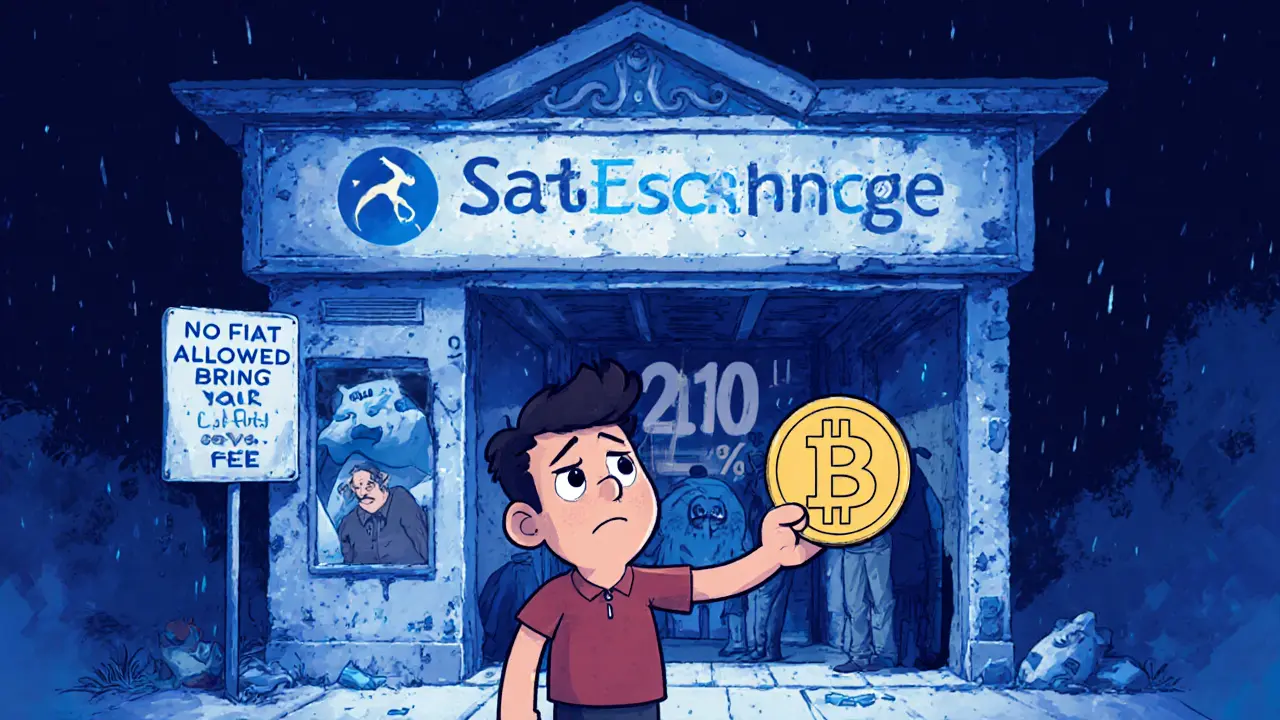
SATX token: What It Is, Why It Matters, and What You Need to Know
When you hear about SATX token, a low-visibility cryptocurrency that occasionally pops up in obscure airdrop lists and meme forums. Also known as SATX coin, it's often confused with more established tokens—yet shows up in wallet alerts with no clear origin story. Unlike Bitcoin or Ethereum, SATX doesn't have a whitepaper, no verified team, and no major exchange listings. It’s not a DeFi protocol. It’s not a gaming token. It’s not even a well-documented meme coin. It’s just... there. And that’s the problem.
People stumble on SATX through fake airdrop sites, Telegram groups, or shady Twitter threads promising free tokens. But here’s the truth: no official SATX project exists with active development, community governance, or on-chain utility. It’s often a placeholder name used by scammers to lure users into connecting wallets or paying gas fees for non-existent claims. Compare that to real tokens like Monero (XMR), a privacy-focused cryptocurrency with proven technology and a decade-long track record, or even Just Elizabeth Cat (ELIZABETH), a Solana meme coin with zero backing but at least a clear identity. SATX doesn’t even have that much clarity.
What makes SATX dangerous isn’t its price—it’s the silence around it. No GitHub repo. No Discord. No team bio. No roadmap. Just a token address and a handful of transactions on a side chain, likely deployed by someone who didn’t even bother to rename the default contract. If you see a SATX airdrop, it’s not a giveaway—it’s a trap. Real airdrops like RAIN or DOE come with clear rules, official websites, and verifiable participation steps. SATX? It’s a ghost. And ghosts don’t pay dividends—they drain wallets.
There’s no official SATX price chart on CoinMarketCap or CoinGecko. No liquidity pool worth mentioning. No smart contract audit. No community of users trading it. If you’re seeing SATX listed somewhere, it’s either a fake token on a low-tier DEX or a honeypot designed to steal your crypto. Even the most obscure tokens like TXL or TAUR at least have trading volume and a reason people talk about them. SATX has none of that.
So why does it keep showing up? Because crypto scams thrive on confusion. They copy names from real projects, reuse old token addresses, and tag them with buzzwords like ‘next 100x’ or ‘limited supply.’ They count on you not checking. They count on you clicking. They count on you not asking: Who made this? Why does it exist? Where’s the proof?
The posts below expose exactly these kinds of cases—tokens with no substance, airdrops that never happened, exchanges that don’t exist. You’ll find real stories about fake tokens like ELIZABETH, KALA, and BAKECOIN. You’ll see how scams mimic legitimacy. You’ll learn how to spot the red flags before you lose your funds. SATX isn’t a project. It’s a warning sign. And if you’re reading this, you’re already one step ahead.