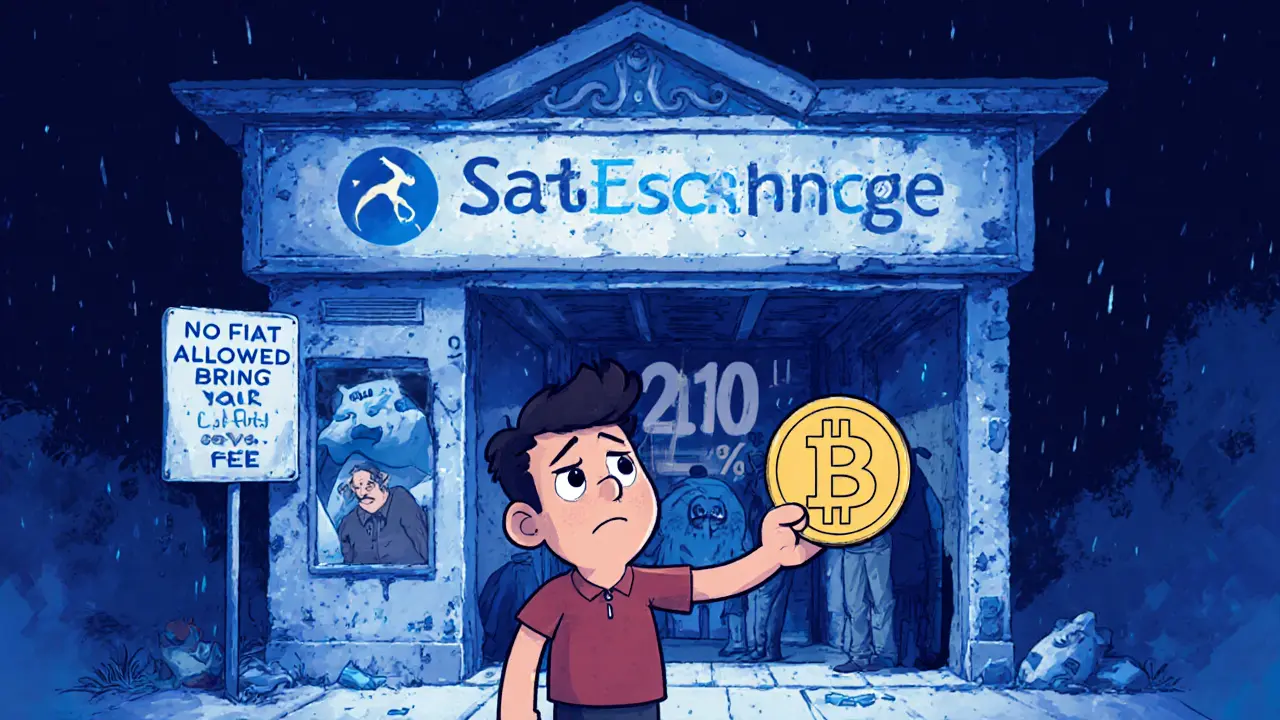
SatoExchange Review: Is This Crypto Exchange Safe or Just Another Scam?
When you hear SatoExchange, a little-known crypto trading platform that claims to offer low fees and fast trades. Also known as Sato Exchange, it pops up in obscure forums and Telegram groups—but you won’t find it on CoinGecko, CoinMarketCap, or any official regulatory list. That’s not a red flag. That’s a whole traffic light flashing red, yellow, and green at once.
Most legitimate exchanges have public teams, audit reports, and clear licensing. SatoExchange has none of that. No CEO name. No headquarters address. No customer support email that works. It’s like a store with no sign, no cash register, and no employees—yet it’s asking you to send your Bitcoin. Meanwhile, other platforms like ShadowSwap, a niche DEX on the Core blockchain with minimal volume and extreme volatility, at least admit they’re small and risky. SatoExchange pretends to be something it’s not.
Look at the posts around here. You’ll find reviews of BTLUX, RicHamster, Barkis Blockchain Exchange—all flagged as either fake, unregulated, or outright scams. SatoExchange fits right in. It doesn’t offer anything new. No unique features. No real user testimonials. Just a website that looks half-built, with copied text from other exchanges and stock images of people staring at charts. If it were legitimate, it would be listed on FinCEN’s MSB registry or have a DTSP license like Singapore’s regulated platforms. It doesn’t. And that’s not an accident.
People lose money on SatoExchange not because they made bad trades. They lose it because they can’t withdraw. Once you deposit, your funds vanish into a black hole. No response from support. No transaction history. No refund. This isn’t rare. It’s the standard playbook for these shadow exchanges. They lure you in with fake promises of high yields, then disappear before you even realize you’ve been scammed.
And here’s the worst part: you won’t find any real complaints on Reddit or Twitter. Why? Because the victims are too late. Their wallets are empty. Their emails bounced. Their support tickets ignored. Meanwhile, the site keeps running, changing domains, and reappearing under new names. It’s the same game, played over and over—with new names, new logos, same outcome.
So what should you do? Skip it. Don’t even click the link. If someone DMs you about SatoExchange, block them. If a YouTube video pushes it, close it. There’s no upside. No hidden gem. No chance it’s legit. The only thing you’ll get from SatoExchange is a lesson in how fast crypto scams move—and how easy it is to lose everything before you even know what hit you.
Below, you’ll find real reviews of exchanges that actually exist, operate legally, or at least have a track record. Some are small. Some are niche. But none of them are ghosts. None of them vanish with your money. What you’re about to read isn’t just advice—it’s a survival guide for anyone still trying to navigate this wild, unregulated mess.