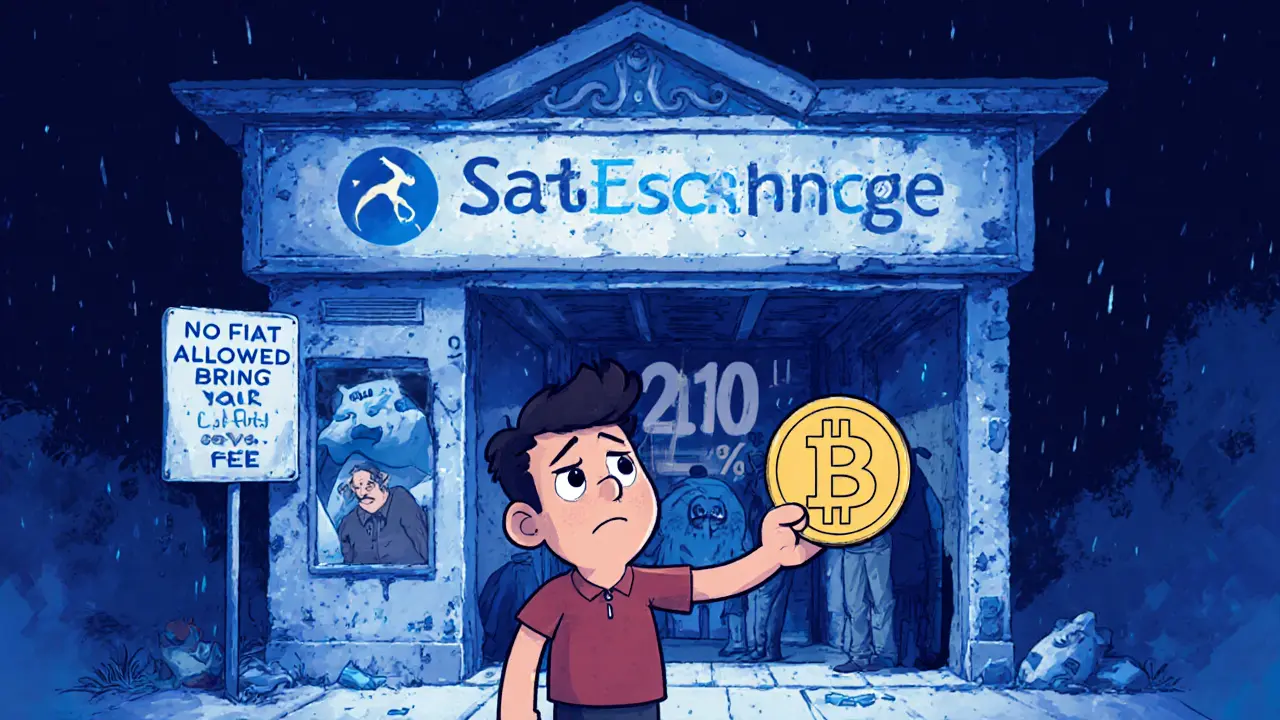
SatoExchange crypto exchange: What it is, why it's not on your radar, and what to watch instead
When you hear SatoExchange, a crypto trading platform with no verified history, public team, or regulatory licensing. Also known as Sato Exchange, it appears in search results but lacks any real footprint on forums, Reddit, or independent review sites. Unlike major exchanges like Binance or Kraken, SatoExchange doesn’t publish audit reports, security certifications, or customer support details. That’s not just unusual—it’s a red flag.
Most trusted exchanges operate under clear legal frameworks. In the U.S., they register with FinCEN as MSBs. In Singapore, they apply for DTSP licenses under MAS. Even smaller platforms like LFJ v0 or ShadowSwap at least have a blockchain they’re built on, a token, and some trading volume. SatoExchange has none of that. It’s not listed on CoinGecko or CoinMarketCap. No user testimonials exist. No social media channels are verified. If it were a legitimate business, it would be impossible to stay this quiet.
What you’re likely seeing is either a white-label platform resold to unknown operators, or a phishing site mimicking real exchanges to steal wallet keys. Scammers love names that sound official—SatoExchange could easily be confused with Sato (a common Japanese surname) or even Satoshi Nakamoto. They count on you rushing to trade without checking the basics. The same pattern shows up in other fake platforms like Barkis Blockchain Exchange and RicHamster: no history, no transparency, no reason to trust.
If you’re looking for a place to trade crypto safely, focus on exchanges with clear compliance, active communities, and public audits. Platforms like LFJ v0 on Avalanche or ShadowSwap on Core might be niche, but at least you can verify their code, check their volume, and see who’s using them. SatoExchange doesn’t even meet that baseline. It’s not a hidden gem—it’s a ghost.
Below, you’ll find real reviews of exchanges that actually exist. Some are small, some are risky, but every one has a paper trail, user feedback, or on-chain data you can check. Skip the shadows. Stick to the ones where you can see the lights.