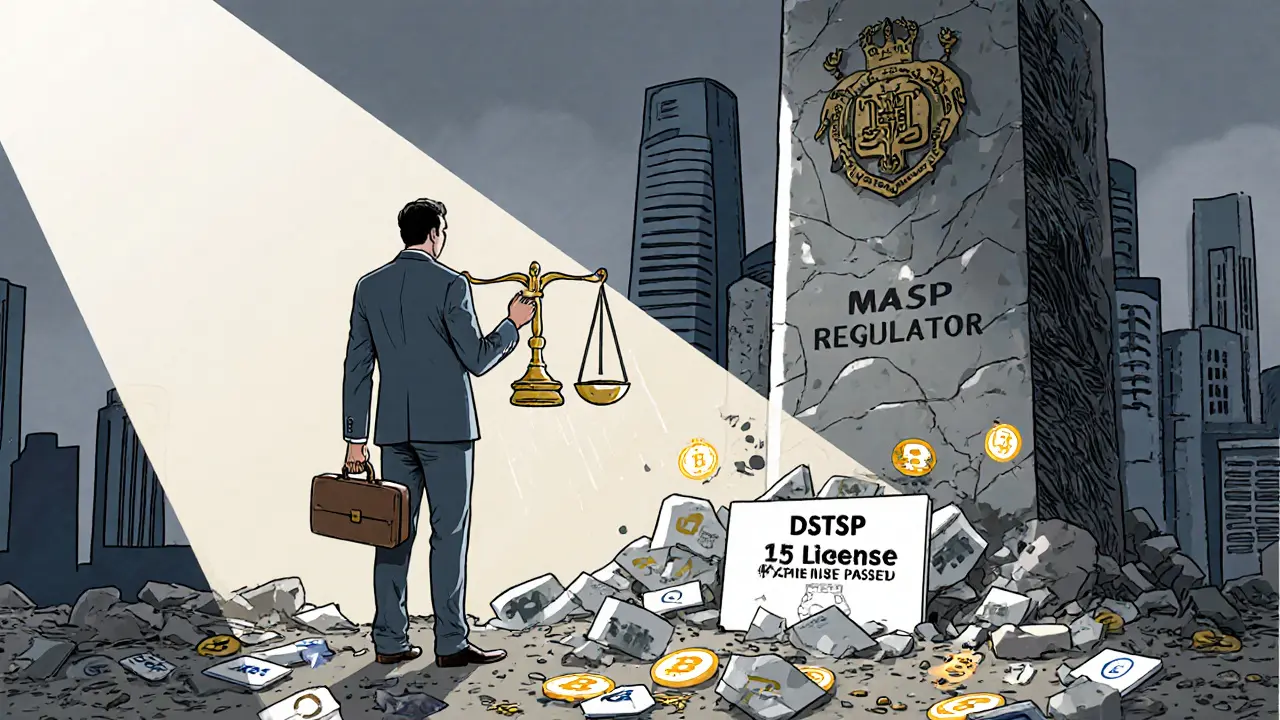
MAS Travel Rule: What It Means for Crypto Exchanges and Users
When you send crypto from one exchange to another, MAS Travel Rule, a regulatory requirement enforced by Singapore’s Monetary Authority of Singapore that mandates crypto service providers to share sender and receiver info on transactions over a certain amount. Also known as FATF Travel Rule, it’s not just a Singapore thing—it’s part of a global push to stop money laundering through digital assets. If you’ve ever wondered why some exchanges ask for extra details before letting you send crypto, this is why.
The AML crypto, anti-money laundering rules that require financial institutions to verify users and track suspicious activity behind the MAS Travel Rule is simple: criminals use crypto to hide where money comes from and where it goes. By forcing exchanges to collect and pass along names, account numbers, and addresses for transfers above $1,000, regulators make it harder to move dirty cash undetected. This isn’t just about Singapore. The U.S., EU, and other major markets have similar rules, and exchanges that ignore them risk losing their licenses—or worse, facing criminal charges. That’s why companies like those reviewed on GLAVX, from SatoExchange to LFJ v0, have to build compliance into their systems, even if it slows things down for users.
The crypto regulation, government rules that define how digital assets can be traded, held, and transferred landscape is messy. Some countries ban crypto outright, like Bangladesh and India, while others, like Singapore, try to control it with rules like the MAS Travel Rule. The result? Exchanges operating across borders have to juggle dozens of conflicting laws. If you’re a user, this means you might get blocked from sending crypto to someone in a country with looser rules—or you might get asked to submit ID even if you’ve been trading for years. It’s not about trust—it’s about legal risk.
What you’ll find in the posts below are real examples of how these rules play out. You’ll see how FinCEN registration ties into the same global framework, how asset seizures happen when compliance fails, and why some exchanges get flagged for lacking basic AML controls. There’s no fluff here—just the facts on how rules like the MAS Travel Rule shape who can trade, where, and under what conditions. Whether you’re an investor, a trader, or just trying to send crypto safely, understanding this rule isn’t optional—it’s essential.