MAS Crypto Regulation: What Singapore’s Rules Mean for You
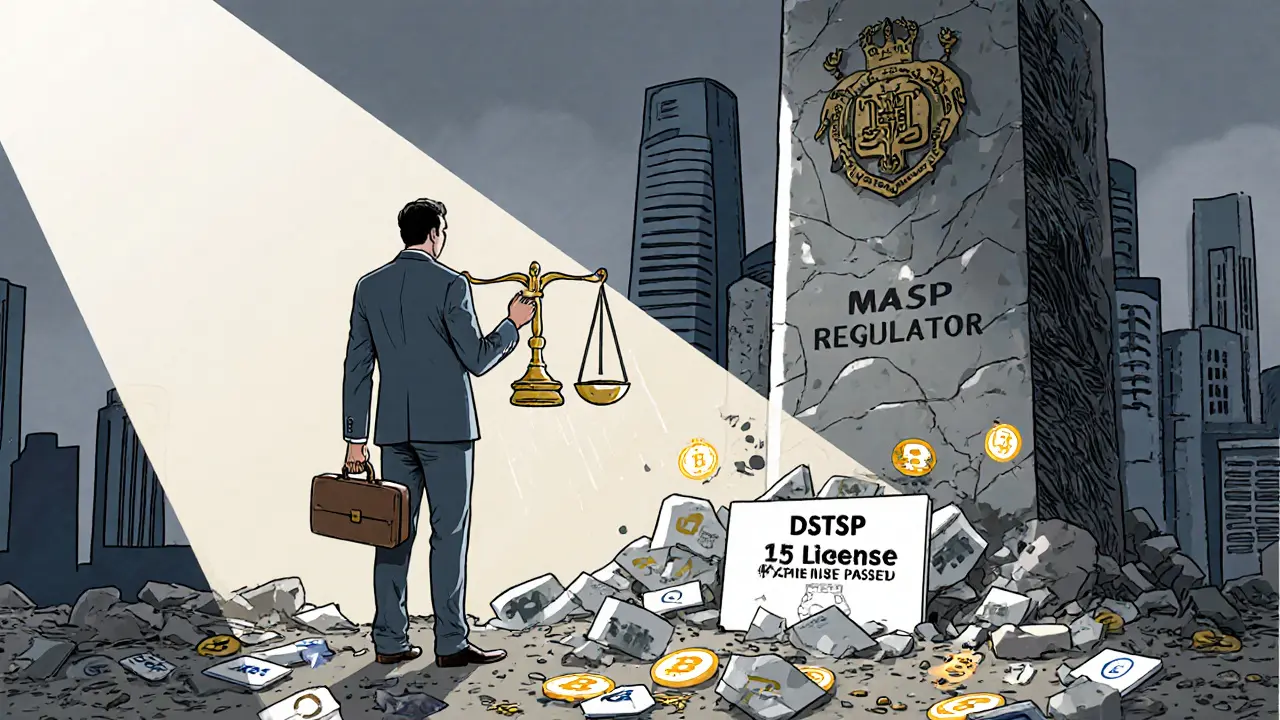
When it comes to MAS crypto regulation, the rules set by Singapore’s Monetary Authority of Singapore to govern digital asset trading, exchanges, and token issuance. Also known as Singapore crypto rules, it’s one of the clearest, most enforceable frameworks in Asia—and one that global projects can’t ignore. Unlike countries that ban crypto outright or leave it in legal gray zones, MAS takes a pragmatic approach: allow innovation, but only if you play by strict rules.
That means any crypto exchange operating in Singapore must be licensed by MAS, follow strict anti-money laundering (AML) checks, and prove they have real security controls. This isn’t just paperwork—it affects how you trade, where you store assets, and even which tokens you can buy. Projects that skip compliance get shut down fast. Look at the case of crypto exchanges Singapore, licensed platforms like Kraken, Binance, and Coinbase that had to restructure their operations to meet MAS requirements. They didn’t just add KYC forms—they rebuilt entire systems. Meanwhile, unlicensed platforms that tried to sneak in? They vanished overnight.
And it’s not just exchanges. Token issuers, DeFi protocols, and even NFT marketplaces need to understand how MAS defines a security token versus a utility token. If your token acts like an investment—offering profit-sharing, dividends, or promises of price growth—you’re likely under the same rules as stocks. That’s why many projects avoid Singapore altogether, or build their legal structure offshore. But if you’re trading or investing here, you’re bound by these rules. You can’t claim ignorance. The penalties are real: fines, asset freezes, even criminal charges.
What you’ll find in the posts below isn’t theory. It’s real-world examples: how a ban in Bangladesh didn’t stop crypto use, how Iran’s energy subsidies let miners thrive despite blackouts, and how FinCEN’s rules in the U.S. mirror MAS’s focus on accountability. These aren’t isolated stories—they’re pieces of the same global puzzle. MAS crypto regulation doesn’t exist in a vacuum. It’s part of a worldwide shift where governments are no longer asking if crypto should be allowed, but how to control it. And if you’re involved in crypto at all, you need to know where the lines are drawn—before you cross them.