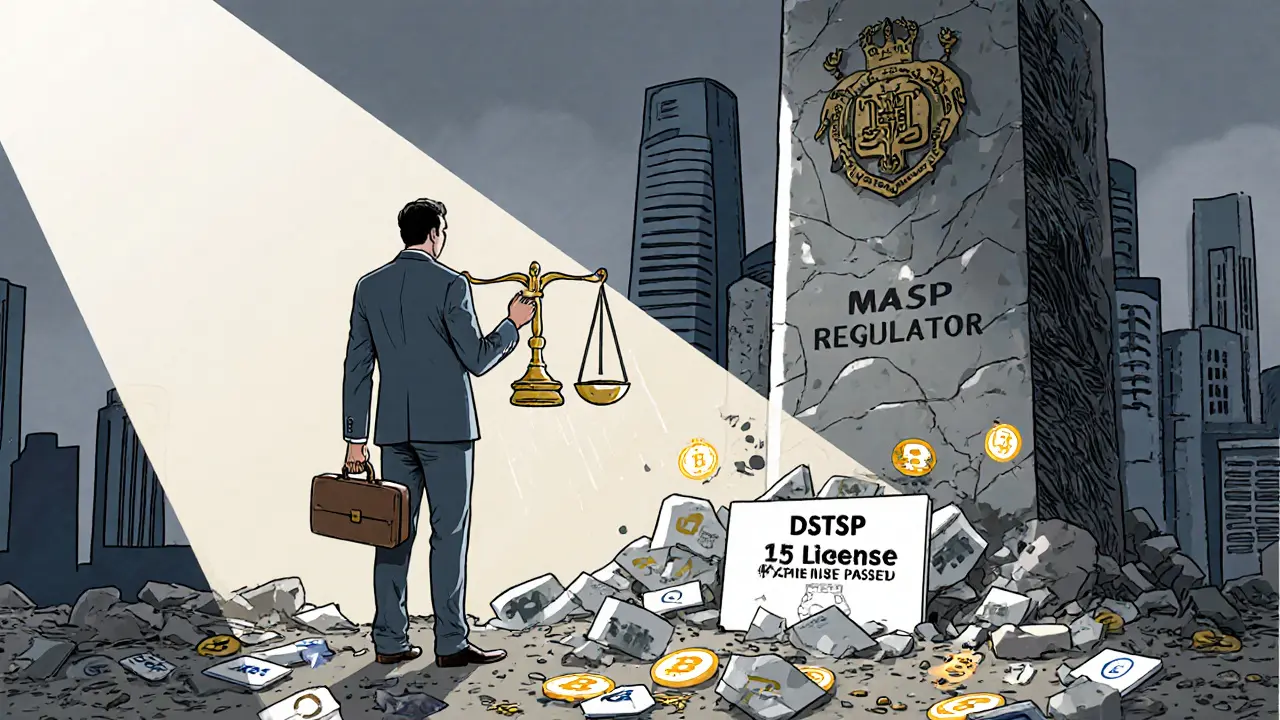
DTSP License: What It Is, Why It Matters, and Where It Applies
When a crypto company says it’s DTSP license, a state-level financial authorization required for money transmission services in Delaware. Also known as a Delaware Department of Financial Services license, it’s one of the few state-level permits that actually carry weight for digital asset firms. Unlike vague federal guidelines, the DTSP license is concrete, costly, and strictly enforced—especially for exchanges, wallet providers, and remittance platforms handling crypto as a form of money.
This license doesn’t just apply to big names. Even small crypto businesses that move digital assets across borders or hold customer funds must get it if they serve Delaware residents. It’s part of a patchwork of state rules that includes New York’s BitLicense and Wyoming’s crypto-friendly charters. The DTSP license requires detailed financial disclosures, anti-money laundering programs, and regular audits. If you’re running a crypto service and you’re not sure whether you need one, check if your users are in Delaware—or if you’re taking money from them. If yes, you’re likely under its scope.
It’s not just about legal compliance. The DTSP license, a state-level financial authorization required for money transmission services in Delaware. Also known as a Delaware Department of Financial Services license, it’s one of the few state-level permits that actually carry weight for digital asset firms signals trust. Users and partners look for it like a seal of approval. That’s why some exchanges advertise it prominently—even when they’re only licensed in one state. Meanwhile, platforms that skip it risk being flagged by regulators, blocked by banks, or shut down entirely. You’ll see this connection in posts about FinCEN registration, crypto exchange compliance, the set of legal obligations for platforms handling digital assets, and asset forfeiture, the government’s power to seize crypto tied to unlicensed activity. These aren’t separate topics—they’re layers of the same system.
What’s interesting is how the DTSP license fits into a bigger picture. Countries like Bangladesh and Iran operate crypto markets under total bans or broken infrastructure, while U.S. states like Delaware build strict, formal frameworks. The result? You get crypto adoption happening in places with no legal path, and licensed firms in places where the rules are clear but hard to meet. That tension shows up in posts about crypto seizures, unregulated exchanges like SatoExchange, and why some airdrops fail—because they’re built on platforms that never bothered to get the basics right.
If you’re running a crypto business, or even just holding tokens through a service that claims to be "regulated," ask: Do they have a DTSP license? Or are they relying on loopholes? The difference isn’t just paperwork—it’s safety, transparency, and whether your funds might vanish overnight because the platform was never legally allowed to hold them in the first place.