Digital Rupee: What It Is, How It Works, and Why India’s CBDC Matters
When you hear digital rupee, India’s official central bank digital currency issued by the Reserve Bank of India. Also known as e-Rupee, it’s not crypto—it’s the same rupee you use every day, but in digital form, backed by the full faith of the Indian government. Unlike Bitcoin or Ethereum, the digital rupee isn’t mined or traded on exchanges. It’s a direct liability of the Reserve Bank of India, just like paper cash, but faster, traceable, and designed for everyday use.
The Reserve Bank of India, India’s central banking authority responsible for issuing currency and regulating financial institutions launched the digital rupee in phases starting in 2022, testing it for retail and wholesale use. Retail users can now hold and spend it through digital wallets on their phones—no bank account needed. Businesses can receive payments instantly, with no intermediaries, no fees, and no settlement delays. This isn’t just convenience—it’s infrastructure. The digital rupee reduces reliance on physical cash, cuts down on counterfeit money, and gives the government better control over monetary policy.
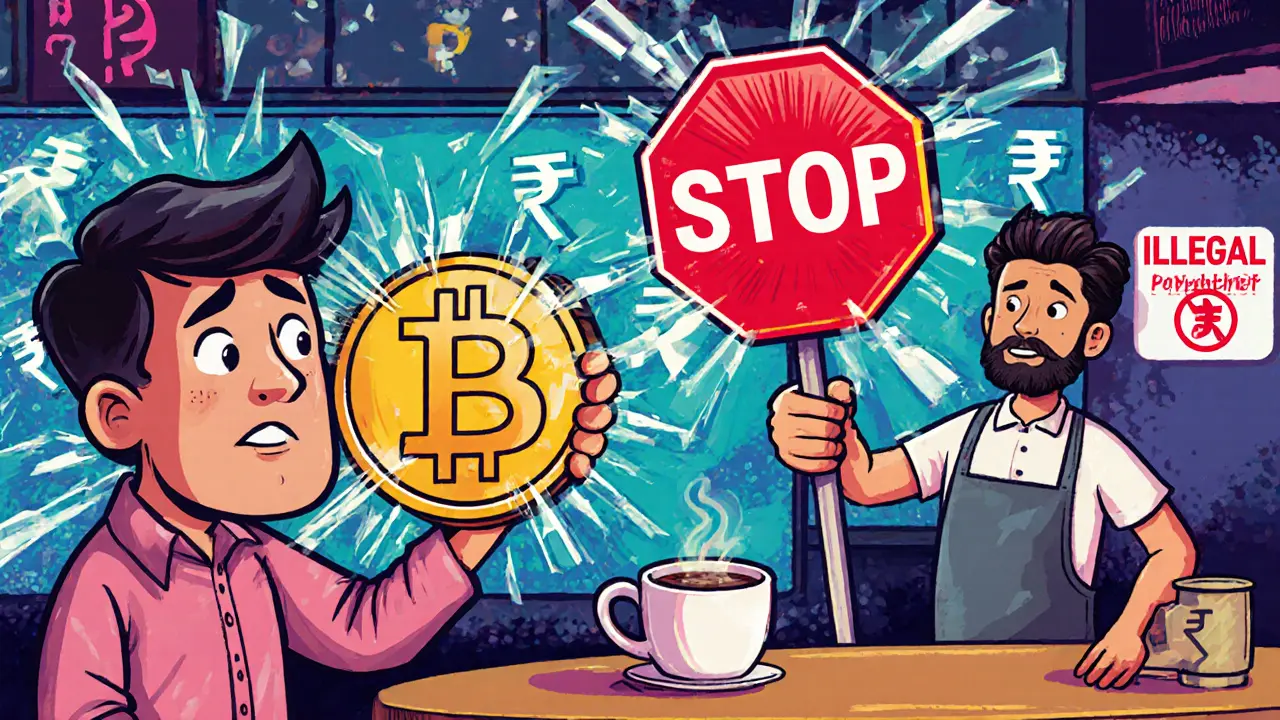
People often confuse the digital rupee with cryptocurrency India, private digital assets like Bitcoin or Ethereum that operate outside government control. But here’s the key difference: you can’t speculate on the digital rupee. You can’t buy it as an investment. You can’t hold it in a crypto wallet unless it’s officially integrated by a bank. It’s meant to replace cash, not compete with crypto. That’s why India bans crypto payments but allows trading—because the government wants to control the money supply, not give it to decentralized networks.
Why does this matter to you? If you live in India, the digital rupee could mean faster government subsidies, instant salary payments, and lower transaction costs for small vendors. If you’re a traveler, you might soon be able to use it like cash abroad without exchange fees. And if you’re worried about privacy, know this: while transactions are traceable to prevent fraud and tax evasion, the RBI has promised user anonymity for small, everyday purchases—just like cash.
There’s no hype around the digital rupee. No airdrops. No whitepapers. No influencers selling tokens. Just a quiet, steady rollout by one of the world’s biggest economies. And that’s exactly why it’s important. It’s not trying to be the next Bitcoin. It’s trying to be the next rupee.
Below, you’ll find real reviews, legal updates, and scam alerts tied to India’s evolving digital finance landscape—from what’s allowed under current rules to the fake airdrops trying to cash in on confusion. No fluff. Just what you need to know to stay safe and informed.