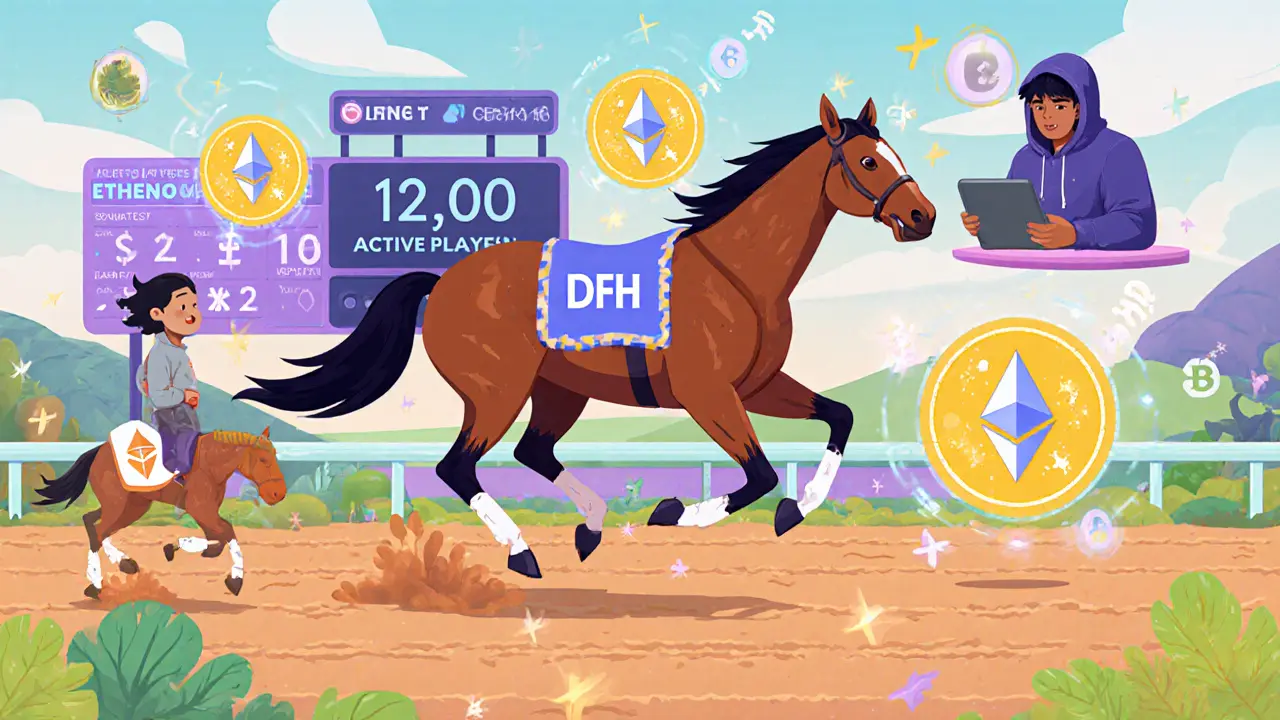
DeFiHorse Campaign: What It Was, Why It Mattered, and What You Can Learn From It
When the DeFiHorse campaign, a blockchain-based gaming and staking project that blended horse racing NFTs with yield farming mechanics. Also known as DeFi Horse, it quickly gained attention for its flashy visuals and promises of high returns through token staking and NFT breeding. It wasn’t just another meme coin—it tried to merge real gameplay with DeFi incentives, a combo that sounded promising but turned out to be messy in practice.
The campaign relied heavily on crypto airdrops, free token distributions meant to build early user bases and blockchain gaming, games built on decentralized networks where players own in-game assets as NFTs. Users were told they could earn tokens by racing virtual horses, breeding them, or staking their holdings. But behind the colorful graphics and hype, there was little transparency. No clear roadmap, no verifiable team, and no real utility beyond trading NFTs on secondary markets. Sound familiar? That’s because this pattern shows up again and again in projects that promise fun but deliver risk.
What made DeFiHorse stand out wasn’t its innovation—it was how quickly it faded. Within months, trading volume dropped, community chatter died, and the token price collapsed. Many who joined for the airdrop ended up holding worthless assets. This isn’t just a story about one failed project. It’s a case study in how DeFi can attract users with excitement, then leave them exposed when the incentives vanish. The same risks show up in other DeFi scams, projects that lure investors with fake utility, anonymous teams, and unsustainable reward structures—like fake airdrops, rug pulls, or tokens with zero liquidity.
If you’ve ever wondered why some crypto projects explode overnight and disappear just as fast, the DeFiHorse campaign gives you the blueprint. You’ll find posts here that dig into similar cases: how to spot a fake airdrop before you sign up, why some DeFi games look real but aren’t, and how to protect your wallet when chasing the next big thing. These aren’t theoretical warnings—they’re real stories from people who got burned. And they’re here to help you avoid the same mistakes.