Bangladesh Crypto Adoption Ranks High Despite Complete Ban
Despite a complete government ban, Bangladesh ranks 35th globally in crypto adoption with 3.1 million users - mostly using stablecoins to send remittances. How is this possible?
When you see a list of the cryptocurrency ranking, a system that orders digital assets by market value, liquidity, and adoption. Also known as crypto market rankings, it's the go-to reference for newcomers and traders alike. But here's the truth: rankings don't tell you which coin is good—they tell you which one has the most money behind it right now. A coin can be #1 on the list and still be a disaster waiting to happen. Take a token with a $10 billion market cap but zero real users, no team, and a price that moves only because of bots. It’s ranked high, but it’s not valuable. Real value comes from adoption, security, and utility—not just price multiplied by supply.
That’s why market cap, the total value of all coins in circulation, calculated by multiplying price by circulating supply. Also known as total market value, it’s the main driver behind most rankings. But it’s not the whole story. Think of it like a company’s stock price: Apple might be worth more than a small startup, but that doesn’t mean the startup isn’t doing something revolutionary. In crypto, liquidity, how easily a token can be bought or sold without moving its price. Also known as trading volume, it’s a hidden indicator of health matters just as much. A coin with a high market cap but low volume is like a car with a full tank but no engine—it looks impressive, but it won’t go anywhere. That’s why you’ll see posts here about tokens like SATX or TXL that sit on ranking lists with almost no trading. They’re ghosts. Meanwhile, coins like Monero (XMR) might not always be top 10, but they have deep, active networks that keep them alive.
Then there’s the role of regulation, government rules that shape which coins can be listed, traded, or even owned. Also known as crypto compliance, it’s a silent force behind rankings. Singapore’s MAS or the U.S. FinCEN don’t publish rankings, but their decisions kill or boost coins overnight. A token banned in India or seized by U.S. authorities vanishes from major exchanges—and drops out of rankings fast. That’s why the list you see today might be totally different in six months. Rankings aren’t static. They’re snapshots of power, fear, and greed.
What you’ll find below isn’t a list of the top 10 coins. It’s a collection of real stories behind the rankings: why Bitcoin’s halving cycles keep it on top, how meme coins like ELIZABETH climb and crash, why some exchanges like SatoExchange or BTLUX don’t belong on any serious list, and how airdrops like Elemon or DOE look great on paper but often lead nowhere. You’ll see how governments seize crypto, how scams hide behind fake airdrops, and why the coins with the most hype are often the ones with the least substance. This isn’t about chasing numbers. It’s about understanding what makes a crypto coin last—and what makes it disappear.
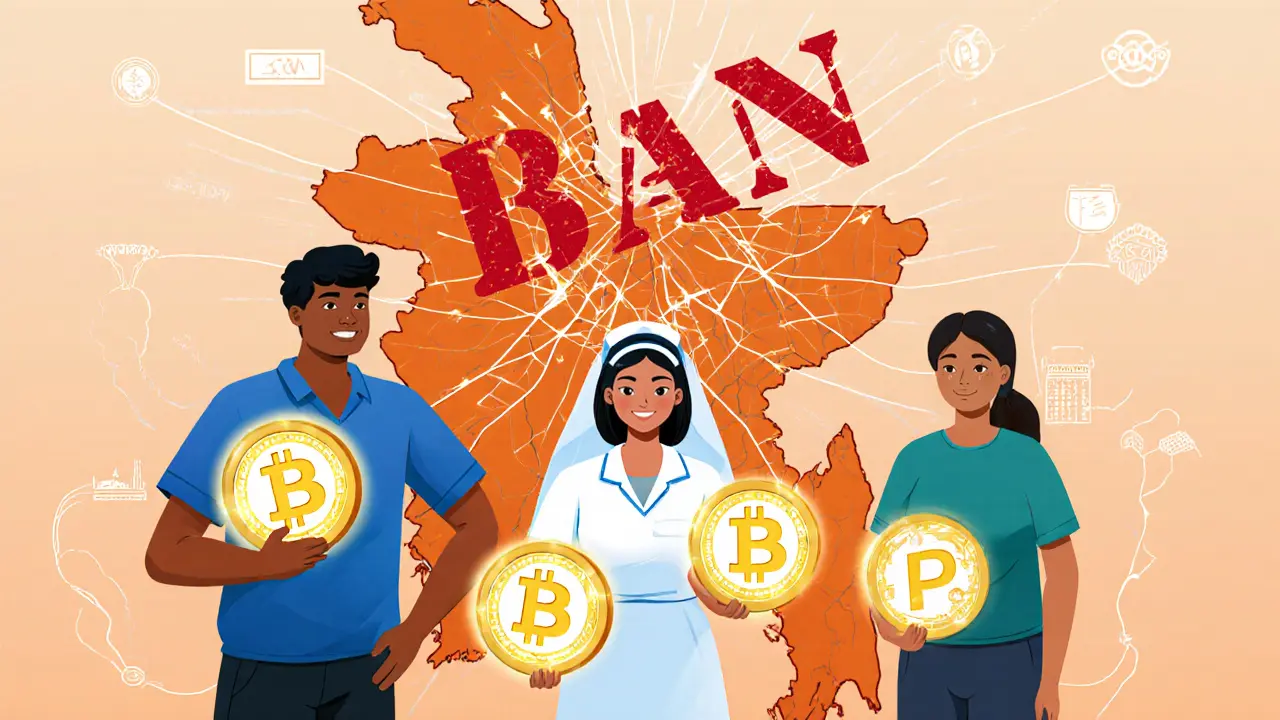
Despite a complete government ban, Bangladesh ranks 35th globally in crypto adoption with 3.1 million users - mostly using stablecoins to send remittances. How is this possible?