Crypto Trading Regulations: What’s Legal, What’s Not, and Where It’s Heading
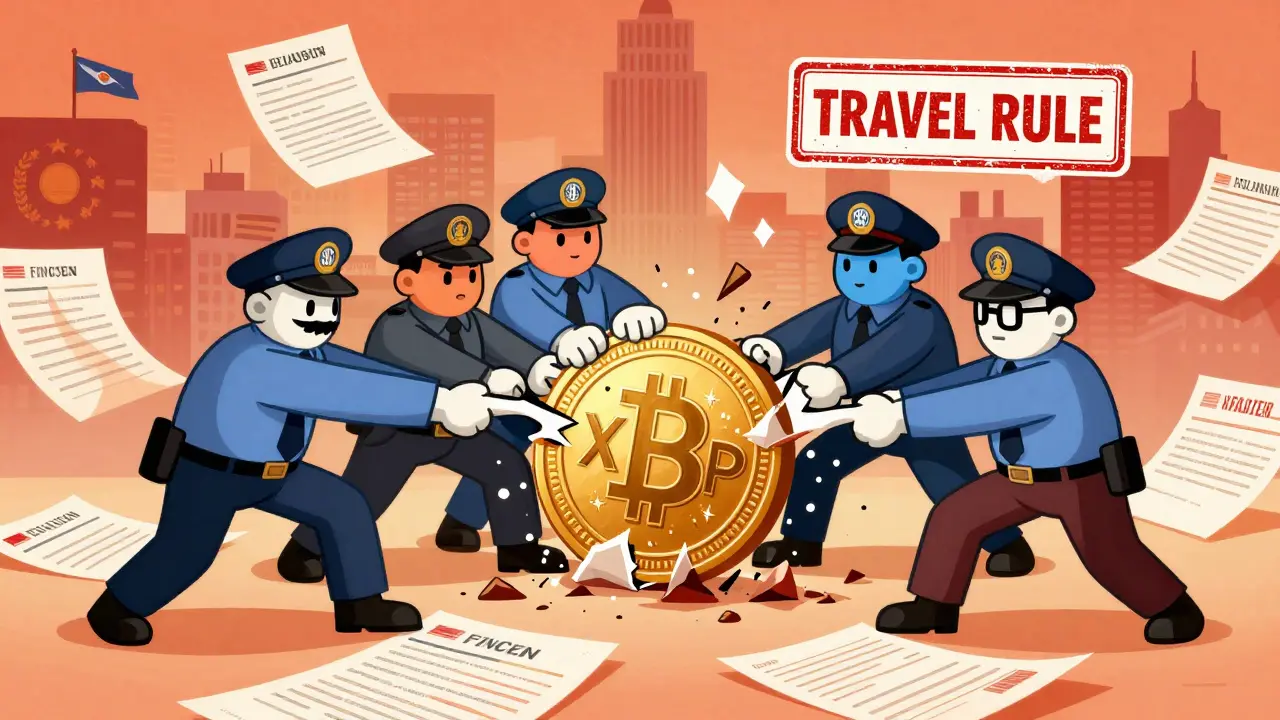
When you trade crypto, you’re not just buying a token—you’re stepping into a world shaped by crypto trading regulations, rules set by governments and financial agencies that control how digital assets can be bought, sold, and tracked. These rules aren’t the same everywhere. In Singapore, the Monetary Authority of Singapore (MAS) shuts down new licenses and demands ironclad compliance. In Russia, exchanges like Garantex vanish overnight while others quietly operate under state oversight. And in the U.S., FinCEN, the financial crimes watchdog that requires all crypto exchanges to register as money service businesses demands detailed records, KYC checks, and real-time reporting. There’s no global rulebook—just a patchwork of laws that change faster than Bitcoin’s price.
These rules don’t just affect exchanges. They shape who can mine, who can hold, and even how you send money. In Kosovo, crypto mining was banned because it drained the national grid. In Iran, miners thrive because the government subsidizes electricity—even as citizens face blackouts. Meanwhile, AML crypto regulations, anti-money laundering rules that force platforms to track suspicious transactions are turning blockchain from a privacy tool into a surveillance network. Tools like Nansen.ai and Whale Alert help regulators follow the money, and institutions now use blockchain analytics to flag illicit flows. Even decentralized projects like Swarm Markets (SMT) are getting licensed by BaFIN in Germany, proving you can blend DeFi with real-world oversight. But privacy coins and unregulated DAOs still walk a tightrope—some U.S. states like Wyoming recognize them as legal entities, while others treat them as legal gray zones.
And then there’s the global game of cat and mouse. Countries like Bangladesh ban crypto outright—yet millions still use stablecoins to send remittances. El Salvador made Bitcoin legal tender, then quietly backed down. Russia uses stablecoins like A7A5 to bypass sanctions, while the U.S. seizes millions in crypto through asset forfeiture. The truth? crypto trading regulations aren’t about stopping crypto. They’re about controlling it. If you trade, you’re already part of this system—whether you like it or not. Below, you’ll find real examples of how these rules play out: from banned exchanges and seized wallets to licensed DeFi platforms and scam tokens that slip through the cracks. No fluff. Just what’s happening, where, and why it matters to your portfolio.