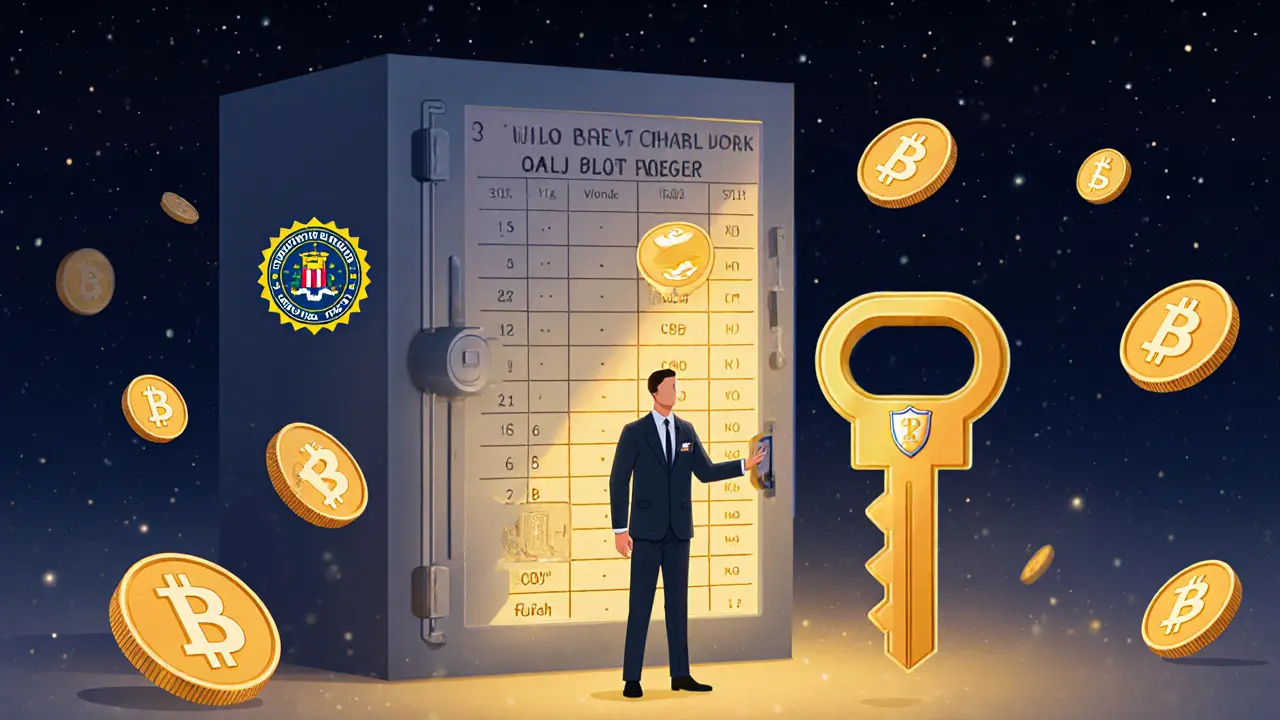
Crypto Seizure: What Happens When Governments Confiscate Digital Assets
When a government seizes crypto seizure, the act of law enforcement or regulatory bodies taking control of cryptocurrency holdings. Also known as crypto asset freeze, it’s not science fiction—it’s happening right now in places like the U.S., Singapore, and Bangladesh, often targeting wallets linked to scams, sanctions, or unlicensed exchanges. Unlike bank accounts, crypto doesn’t need a court order to be frozen if it’s on a centralized exchange. Once the exchange gets a subpoena or asset freeze notice, your coins can vanish from your dashboard—no warning, no appeal.
Most crypto confiscation, the legal process of permanently taking ownership of digital assets. Also known as asset forfeiture, it typically follows investigations into money laundering, ransomware payments, or unregistered trading platforms. The U.S. Department of Justice has recovered over $5 billion in crypto since 2020, mostly from darknet markets and phishing schemes. Singapore’s MAS doesn’t just regulate—it actively freezes wallets tied to unlicensed entities. Even countries like Bangladesh, where crypto is banned outright, have seized wallets used for remittance bypassing. These aren’t rare cases. They’re policy.
crypto regulation, the legal framework governments use to control how digital assets are traded, held, or taxed. Also known as digital asset oversight, it’s the engine behind every seizure. You can’t fight a rule you don’t know. That’s why posts here break down how FinCEN forces exchanges to report suspicious activity, how Singapore’s DTSP license rules make compliance a minefield, and why India’s crypto payment ban turned millions of wallets into digital ghosts. These aren’t abstract laws—they’re triggers. One misstep, one unlicensed platform, one flagged wallet, and your crypto can be locked, sold, or handed over to authorities.
What you’ll find below isn’t theory. It’s real cases: a Binance-linked exchange shut down by regulators, a meme coin scammer’s wallet emptied by the FBI, a stablecoin remittance network frozen in a country that bans crypto but can’t stop its people from using it. These stories show how crypto seizure works in practice—how it catches people off guard, how it’s used as leverage, and how some users still find ways around it. If you hold crypto, you’re not immune. Understanding how and why seizures happen isn’t paranoia—it’s protection.