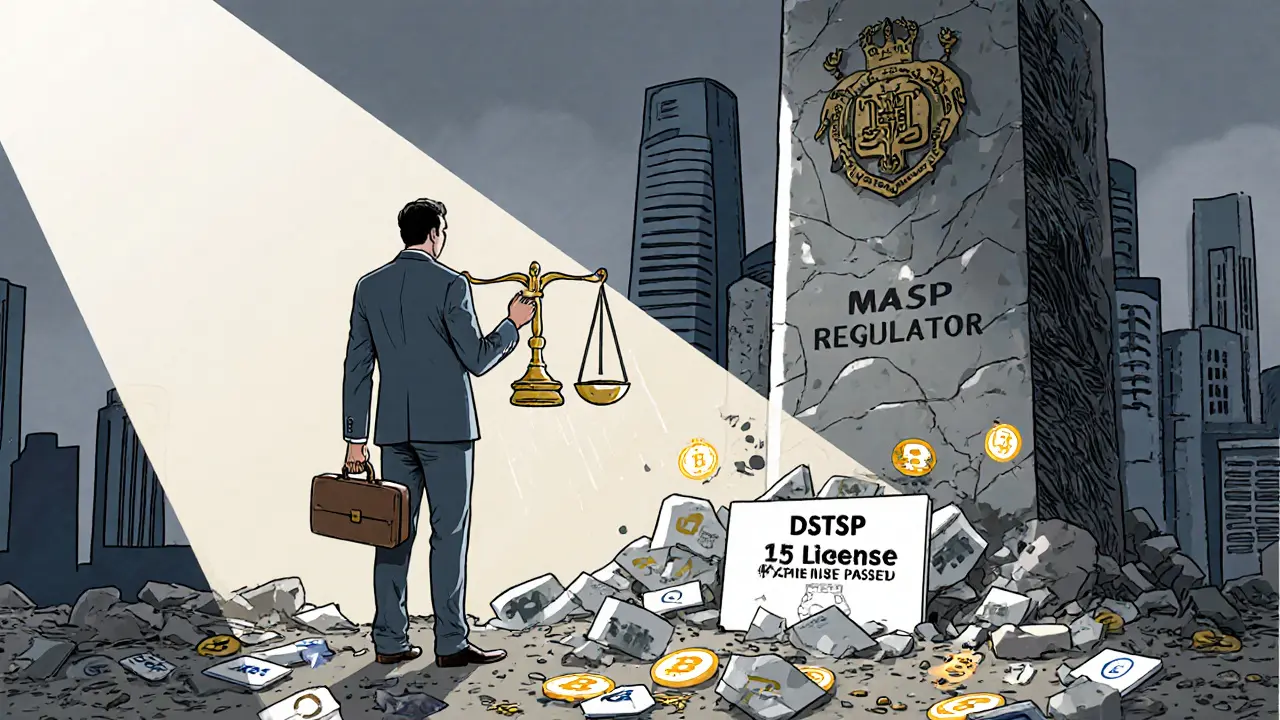
Crypto Compliance Singapore: Rules, Risks, and What You Need to Know
When it comes to crypto compliance Singapore, the framework set by the Monetary Authority of Singapore (MAS) that defines how digital asset businesses must operate legally. Also known as MAS crypto regulations, it’s one of the few places in the world where crypto firms can build long-term operations without fearing sudden crackdowns. Unlike countries that ban crypto outright or ignore it completely, Singapore treats digital assets as financial instruments—and demands transparency, accountability, and robust anti-money laundering systems.
This isn’t just about paperwork. MAS crypto rules, the official guidelines issued by Singapore’s central bank that require exchanges, custodians, and token issuers to register, report transactions, and verify user identities. Also known as Singapore crypto licensing, these rules apply to anyone serving customers in Singapore—even if they’re based overseas. If you’re running a crypto exchange, you need to prove you have real controls: cold storage, KYC checks, transaction monitoring, and audited financials. No gray areas. No loopholes. And if you skip this? You’re not just breaking the law—you’re risking your entire business.
Why does this matter to you? Because Singapore’s clarity attracts serious players. Firms like Binance, Kraken, and Coinbase built regional hubs here because they know the rules won’t change next month. But that same clarity also means less room for scams. If a project claims to be "Singapore-regulated" but can’t show a MAS license number, it’s fake. And if you’re a trader, you want to use platforms that are actually compliant—not just saying they are. The AML crypto Singapore, the anti-money laundering requirements enforced by MAS that force crypto firms to track funds, flag suspicious activity, and report to authorities. Also known as crypto AML rules Singapore, it’s why your wallet address might get flagged if you’re moving large sums from high-risk chains. It’s not about privacy—it’s about trust.
What you’ll find in the posts below isn’t a list of legal jargon. It’s real-world examples of how crypto compliance works—or fails. You’ll see how FinCEN’s rules in the U.S. compare to Singapore’s, how some exchanges pretend to be regulated while hiding behind shell companies, and why a project with zero team but a "Singapore office" is a red flag. You’ll also see how countries like Bangladesh and Iran operate outside these systems entirely—and what that means for global crypto flows. This isn’t theory. It’s what’s happening now. And if you’re dealing with crypto in Asia, you need to know the difference between a licensed platform and a legal ghost.