Crypto Compliance: What It Really Means and How It Affects You
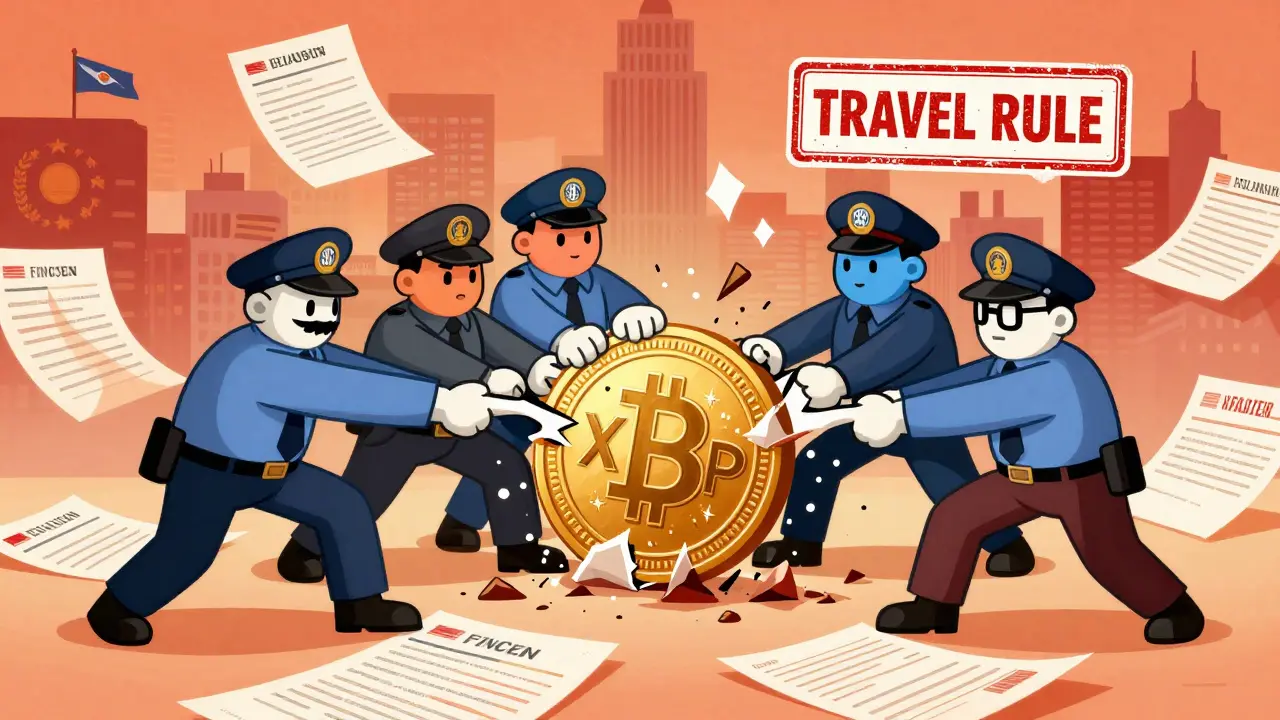
When you hear crypto compliance, the set of rules and checks that crypto businesses must follow to prevent fraud, money laundering, and illegal activity. Also known as blockchain regulation, it's not something that happens behind closed doors—it directly impacts whether you can trade, withdraw, or even hold certain tokens. If a platform doesn’t meet these standards, it gets shut down. If you use one that doesn’t, your funds could vanish overnight.
It’s not just about big exchanges. FinCEN crypto registration, the U.S. requirement for crypto businesses to register as money services businesses and report suspicious activity forces platforms to know who you are before you can trade. In Singapore, MAS crypto regulation, the Monetary Authority of Singapore’s strict licensing and anti-money laundering framework has blocked new exchanges and forced others to shut down. Meanwhile, AML in blockchain, the use of transparent ledgers and AI tools to track illicit crypto flows is turning blockchain from an anonymous playground into a traceable financial system. These aren’t abstract policies—they’re the reason some airdrops disappear, why some exchanges won’t let you deposit, and why your wallet might get flagged.
Some countries ban crypto mining to save electricity. Others, like Russia, allow it—but only if you use certain stablecoins and avoid sanctioned entities. DAOs can be legal in Wyoming but not in Germany. A token might be called a security in the U.S. and a utility in Switzerland. Crypto compliance isn’t one rulebook—it’s a patchwork of conflicting laws, and your actions are always caught in the middle. The posts below show you exactly how these rules play out in real life: which exchanges got banned, which airdrops were scams hiding behind fake compliance, and how governments are seizing crypto at record levels. You’ll see why some projects survive while others vanish overnight—and what you need to do to stay safe, legal, and in control.